Select a checkout option below
Your cart is currently empty.
Continue shopping
 kaguyasu
Content Menu
● The Growing Need for Dynamic Workspaces
>> What Makes a Workspace Dynamic?
● Flexibility and Adaptability of Modular Office Sofas
>> Reconfigurable Layouts for Varied Needs
>> Scalability and Growth
● Ergonomic and Comfort Benefits
>> Designed for Employee Well-being
>> Supporting Diverse Work Styles
● Space Optimization for Urban and Compact Offices
>> Maximizing Limited Footprint
>> Multi-Functional and Transitional Use
● Aesthetic Appeal and Brand Identity
>> Enhancing Office Design
>> Creating Inviting Collaborative Zones
● Cost-Effectiveness and Sustainability
>> Long-Term Investment with Lower Costs
>> Sustainability Through Reuse and Materials
● Practical Benefits Beyond the Workspace
>> Easier Office Relocations and Restructuring
>> Supporting Hybrid and Remote Working Models
● Frequently Asked Questions (FAQs)
In the evolving world of work, office spaces must stay flexible and adaptive to keep pace with changing business needs and employee lifestyles. Among the many furniture innovations that help create such responsive environments, modular office sofas stand out. They blend comfort with versatility, transforming traditional office layouts into dynamic, multi-functional workspaces that foster collaboration, creativity, and productivity. This article explores why modular office sofas are ideal for today's dynamic offices by examining their flexibility, ergonomic benefits, spatial advantages, aesthetic contributions, cost-effectiveness, and sustainability.

Modern workplaces are no longer static arrangements of desk rows and cubicles. Driven by trends like hybrid working, agile teams, and open collaboration, offices demand furniture that adapts quickly. Traditional fixed furniture often limits spatial reconfiguration, hinders collaboration, and fails to optimize limited office real estate. Here, modular office sofas offer a solution.
- Flexibility to change layout based on varying team sizes and tasks
- Comfort and ergonomics to promote wellness and focus
- Efficient use of space to accommodate diverse work activities
- Aesthetic appeal to inspire and reflect company culture
Modular sofas, composed of multiple connectable elements, meet all these criteria by allowing workplaces to fluidly adjust seating arrangements without extensive renovations or expense.
Modular sofas consist of individual units like seats, corners, ottomans, and chaise lounges that can be rearranged to fit changing office demands. Whether creating an informal lounge, a breakout area for team brainstorming, or semi-private meeting nooks, the same pieces can be shifted or expanded as needed.
For example:
- A startup can begin with a small L-shaped sofa cluster and add more sections as the team grows.
- During collaborative projects, sofas can be oriented to foster face-to-face interactions among group members.
- For quieter tasks or one-on-one meetings, configurations can be spaced out to provide privacy and focus.
This adaptability supports hybrid work models where office use fluctuates between individual tasks and group collaboration.
Growing companies benefit greatly from modular sofas, which scale with office needs. Unlike fixed sofas that may require complete replacement, modular units can be expanded or downsized with minimal hassle. This scalability aligns perfectly with businesses that experience regular changes in size or departmental layouts.
Comfort is crucial to employee productivity and satisfaction in workspaces. Modular office sofas go beyond conventional seating by incorporating ergonomic design features that support posture and reduce fatigue. Many modular sofas include adjustable backrests, cushioned seating with memory foam or ergonomic foam layers, and modular elements that accommodate a mix of sitting and reclining positions.
Workplaces today embrace diverse work styles—from collaborative teaming to focused solo work. Modular sofas provide versatile seating options that accommodate these varying needs. Their soft, inviting surfaces encourage relaxation and informal conversation, essential for creative thinking and problem-solving. Meanwhile, strategic arrangement of units can also create supportive zones for quiet focus.
This blend of comfort and support ultimately enhances employee well-being, reduces absenteeism, and nurtures a positive workplace culture.
Office space—especially in urban centers—comes at a premium. Modular sofas allow companies to optimize floor area by fitting seating to space constraints precisely. Their components can conform to irregular room shapes or fit neatly into corners, hallways, and open zones.
Many modular sofas double as storage units or movable partitions, adding utility beyond seating. For example, certain designs offer built-in shelves or compartments under the seats, ideal for keeping office essentials handy without extra furniture. This multi-functionality keeps spaces tidy and flexible.
Additionally, modular sofas make it easy to create transitional spaces that morph effortlessly from casual break areas to meeting zones or event settings without needing additional furniture.
Modular office sofas contribute significantly to an office's visual identity. Their modern, sleek designs can match or elevate corporate branding and interior décor themes, reinforcing the company's culture and values. Color, fabric, and configuration choices serve as design statements that brighten the office ambiance and make a memorable impression on clients and visitors.
Beyond mere aesthetics, the welcoming nature of sofa lounges encourages employee interaction. Informal seating arrangements break down hierarchical and physical barriers common in traditional office layouts, fostering open communication and spontaneous idea exchange—key ingredients for innovation.
While the initial investment in modular office sofas might seem comparable to traditional furniture, the long-term savings prove substantial. Modular components' ability to be reconfigured, relocated, or supplemented avoids repeated full replacements or costly renovations. Firms can spread expenditures over time by adding sections only as needed.
Many modular sofas use sustainable materials and manufacturing processes designed to reduce environmental impact. Their durable construction extends product life, and their adaptability reduces waste by minimizing disposal when office needs change. This supports corporate social responsibility goals and appeals to eco-conscious employees and clients.
Modular furniture's lightweight, component-based nature simplifies moving offices or reorganizing workspace layouts. This reduces downtime and physical strain on employees during relocations, helping maintain productivity.
As businesses pivot to hybrid models, modular sofas provide comfortable, flexible spaces for employees dropping into the office for focused work or collaboration. Their adaptability ensures the physical environment aligns with evolving workplace strategies.
Q1: How does modular office sofa flexibility benefit hybrid work models?
A1: Modular sofas can be rearranged quickly to create different zones for individual focus or team collaboration, adapting to varying office attendance and work styles.
Q2: Are modular office sofas ergonomic enough for daily use?
A2: Yes, many modular sofas include ergonomic features such as supportive cushions, adjustable backrests, and can be configured to promote healthy posture over long hours.
Q3: Can modular office sofas help save office space?
A3: Absolutely, their customizable shapes fit into corners and odd spaces, maximizing usable floor area better than fixed seating, often incorporating storage options as well.
Q4: What makes modular sofas a cost-effective office furniture solution?
A4: They avoid costly replacements by allowing additions, subtractions, and rearrangements of components as office needs change, spreading out expenses over time.
Q5: Do modular office sofas contribute to sustainability goals?
A5: Yes, many modular sofas are constructed with sustainable materials and processes, and their reusability reduces furniture waste, supporting environmentally friendly practices.

[1] https://www.workspacesolutionsinc.com/05/the-impact-of-modular-furniture-on-workplace-efficiency/
[2] https://huggingface.co/openbmb/cpm-bee-5b/commit/80a5566db9296059968f291a138818be62fb8048.diff?file=vocab.txt
[3] https://www.thechairmarket.com/blogs/news/modular-office-furniture-in-modern-workspaces
[4] https://www.pureworkplace.com/benefits-of-modular-office-furniture-workspaces/
[5] https://www.urban-office.com/knowledge/what-is-modular-office-furniture.html
[6] https://www.ie-uk.com/blog/benefits-of-modular-office-furniture
[7] https://www.mwworkstation.com/article/benefits-of-office-sofa-in-workspaces.html
[8] https://k2space.co.uk/knowledge/modular-furniture-workplace
[9] https://gibsonsaz.com/modular-office-furniture-startups/
[10] https://www.cmfsupplies.com/office-iq/optimizing-workspaces-with-modular-furniture/
Hot Tags: China, Global, OEM, private label, manufacturers, factory, suppliers, manufacturing company

Leather Executive Office Chair with Genuine Leather, Solid Wood & Lumbar Support

Mesh Ergonomic Office Chair with Breathable Mesh & Lumbar Support for Executive Office
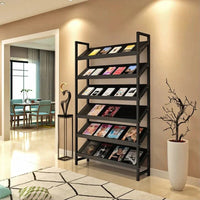
Bookcase Storage Cabinet 71 in Tall for Home Office
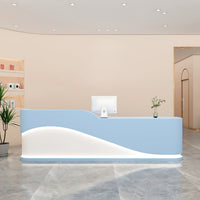
Curved Reception Desk 47-94 in Wide with Keyboard Tray, File Drawers & LED Lighting
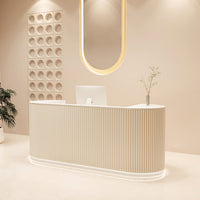
Curved Reception Desk 63-142 in Wide with Keyboard Tray, File Drawers & Fluted Front
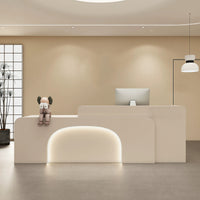
Curved Reception Desk 47-150 in Wide with LED Lighting, Keyboard Tray & File Drawers

Ergonomic Office Chair with Swivel, Curved & Dual-Tone for Home Office

Modern Executive Desk with Wireless Charging, Built-In Outlets & Side Storage

Modern Executive Desk 25-110 in Wide with Side Storage for Home Office
Modern Executive Desk 22-126 in Wide with Curved & Cable Management for Home Office
Modern Executive Desk 28-142 in Wide with Walnut for Home Office

Content Menu ● Understanding Your Office Sofa Needs >> The Importance of Office Sofas ● Affordable Office Sofas >> What Defines an Affordable Office Sofa? >> Advantages of Affordable Sofas >> Possible Drawbacks ● Luxury Office Sofas...
Jul 21, 2025
Content Menu ● Table of Contents ● Introduction ● The Connection Between Comfort and Productivity ● Understanding Ergonomics: Beyond the Desk >> The Importance of Supportive Seating >> Office Sofas vs. Traditional Seating ● The Psychological Benefits...
Jul 20, 2025
Content Menu ● The Evolving Role of Office Sofas >> Enhancing Collaboration and Communication >> Supporting Wellness and Flexibility ● Design Trends Influencing Office Sofa Choices >> Minimalism with Functional Elegance >> Bold...
Jul 20, 2025