Select a checkout option below
Your cart is currently empty.
Continue shopping
 kaguyasu
Content Menu
● The Evolving Role of Office Sofas
>> Enhancing Collaboration and Communication
>> Supporting Wellness and Flexibility
● Design Trends Influencing Office Sofa Choices
>> Minimalism with Functional Elegance
>> Bold Colors and Statement Pieces
● Material Innovations in Office Sofas
>> Sustainable and Eco-Friendly Materials
>> Durability Meets Aesthetics
● Comfort and Ergonomics
>> Adaptable Ergonomics for Varied Use
>> Adjustable and Modular Configurations
● Integrated Technology in Office Sofas
>> Built-In Charging and Connectivity
>> Acoustic Privacy Solutions
● Customization and Brand Expression
>> Bespoke Upholstery and Branding
>> Adapting to Hybrid and Remote Work
● Space-Saving and Multi-Functional Designs
>> Compact Footprints for Urban Offices
>> Convertible and Dual-Purpose Sofas
● Accessible and Inclusive Design
>> Universal Design Principles
>> Sensory-Friendly Features
● Latest Trends in Office Sofa Placement
>> Activity-Based Zones
>> Outdoor and Biophilic Integration
● Buying Considerations for Contemporary Office Sofas
>> Aligning with Company Values
>> Balancing Cost, Quality, and Flexibility
● The Future of Office Sofas
In today's rapidly evolving corporate landscape, office furniture is no longer just a functional necessity—it's a strategic tool that shapes culture, enhances productivity, and expresses brand identity. Among modern workspace essentials, the office sofa stands out as a central fixture, blending comfort with professionalism and supporting the collaborative and wellness-focused trends that define today's workplaces. This article explores the top trends driving the design, selection, and use of office sofas in contemporary work environments, offering deep insights for business owners, designers, and employees.

Increasingly, businesses move away from purely utilitarian, cubicle-based layouts in favor of open and collaborative spaces. Office sofas are now placed strategically in these areas to create comfortable and inviting zones for impromptu meetings, brainstorming sessions, and informal discussions. The flexibility of these sofa clusters encourages spontaneous collaboration, breaking hierarchical barriers and fostering stronger working relationships.
Modern companies recognize the importance of employee well-being. Ergonomic office sofas and lounge seating offer a reprieve from desk work, giving employees places to decompress, recharge, or work in alternative postures. This attention to physical comfort improves morale and productivity while reflecting a broader trend toward holistic workplace wellness.
Sleek, simple lines and uncluttered silhouettes dominate contemporary office sofa design. Minimalist sofas effortlessly integrate into a variety of spaces, ensuring both aesthetic harmony and functional flexibility. These designs favor neutral tones—grays, beiges, off-whites—which not only project calm professionalism but also easily adapt to evolving brand palettes.
While minimalism reigns, a countertrend involves using sofas as statement pieces. Vivid colors, unique textures, and sculptural forms are increasingly popular in creative industries or companies wanting to inject energy into their office design. A single, boldly colored sofa can anchor a lounge area and communicate brand personality or values.
Sustainability is now central to office furniture procurement. Manufacturers are innovating with recycled fabrics, responsibly sourced wood frames, and low-VOC finishes. These efforts reduce environmental impact and appeal to the growing number of businesses aiming for green certifications and eco-conscious branding.
Companies demand sofas that withstand high traffic while maintaining visual appeal. New generations of upholstery—such as performance fabrics, stain-resistant treatments, and antimicrobial coatings—offer superior longevity and hygiene. Metal and composite bases combine strength with contemporary styling, perfect for bustling office environments.
Unlike traditional waiting-room sofas, today's office lounge seating features adjustable backs, modular components, and integrated footrests. These designs accommodate different body types and usage scenarios, from focused work to casual relaxation. Ergonomically contoured cushions and lumbar support are prioritized, supporting healthy sitting postures throughout the workday.
Modularity enables organizations to adapt office layouts as needs shift—without replacing furniture. Sectional sofas, movable ottomans, and detachable components allow facilities teams to reconfigure seating for solo work, small group collaboration, or large meetings, promoting both flexibility and cost efficiency.
Modern workers require seamless access to power and data. Office sofas now often feature built-in USB ports, wireless charging pads, and concealed power outlets, supporting laptops and mobile devices. This technology integration creates true “work-lounge” environments, minimizing interruptions and supporting distributed work styles.
Open offices can be noisy, so some contemporary sofas incorporate high backs, acoustic panels, or even enclosed pods. These features provide pockets of quiet and privacy, making office lounges suitable for confidential conversations or focused solo tasks without isolating employees from their team.
Businesses increasingly seek sofas that reinforce their visual identity. Custom upholstery—in corporate colors, with embroidered logos, or unique fabric choices—allows companies to differentiate their environments and reinforce brand values. These bespoke solutions also help set the desired tone for visitors and staff alike.
As hybrid work arrangements become the norm, office sofas are chosen for versatility. Some companies create “third spaces”—not quite desks, not quite home—that encourage periodic onsite attendance and team building. Portable, lightweight designs are favored for pop-up collaboration or rotating workstations, supporting the dynamic needs of post-pandemic offices.
With real estate at a premium, especially in urban centers, space optimization is paramount. Compact or wall-hugging sofas maximize available square footage. Many designs incorporate clever storage solutions—such as under-seat compartments or integrated tables—making every inch count.
Convertible sofas that double as sleeping surfaces or presentation seating are growing in popularity. In creative agencies or start-ups, these sofas can transform a lounge into an emergency server room, break area, or even a wellness nap zone, reflecting the versatility expected from contemporary office spaces.
An inclusive workspace requires furniture accessible to everyone. Office sofas are now designed with seating at accessible heights, stable armrests for support, and open space underneath to accommodate mobility aids. Wider seats and firmer cushions make them more comfortable for all body types.
Sensitivity to sound, texture, and light can affect employees' comfort. Sofas with soft-touch fabrics, muted color choices, and optional privacy panels support neurodiverse and sensory-sensitive staff, creating an inclusive, productive environment.
Activity-based working calls for furnishing spaces according to specific tasks. Office sofas are now used in:
- Collaborative hubs
- Quiet focus zones
- Reception and hospitality areas
- Breakout spaces adjacent to work pods
- Informal “touchdown” areas for short-term use
This approach improves workflow efficiency and caters to diverse work styles.
The boundaries between indoor and outdoor spaces are blurring. Durable, weather-resistant office sofas populate rooftop patios, balconies, and atriums, connecting employees with nature. Biophilic design elements—like planters integrated with seating—boost mood and support well-being.
Furniture purchases now reflect more than budget and appearance. Businesses consider:
- Environmental impact and sourcing transparency
- Social responsibility of the manufacturer
- Employee comfort and experience
- Future-proof adaptability
Aligning sofa choices with these values supports recruitment, retention, and brand reputation.
Quality office sofas are investments. Buyers weigh initial cost against expected lifespan, maintenance needs, and potential to reconfigure layouts as the business evolves. Opting for modular and durable models can deliver long-term value without frequent replacement.

The next generation of office sofas will continue to respond to evolving work habits, digital transformation, and social trends. Expect further innovation in:
- Smart sofas with IoT integration
- Climate-responsive materials for optimized comfort
- Customizable digital displays or ambient lighting
- Enhanced accessibility for all users
As offices become hubs for collaboration, creativity, and culture, sofas will remain at the heart of the modern workspace.
# Frequently Asked Questions
Q1: What materials are most sustainable for office sofas?
A1: Sustainable office sofas often use recycled or upcycled fabric, FSC-certified wood, and low-VOC adhesives and finishes. Look for certifications indicating responsible sourcing and environmental stewardship.
Q2: How do I choose the right sofa size for my office?
A2: Assess your available space, considering traffic flow and collaborative zones. Modular options can be adjusted as needs change. Compact, multi-functional designs are ideal for smaller offices.
Q3: Are office sofas suitable for use in open-plan spaces with privacy needs?
A3: Yes, many modern office sofas feature high backs, privacy panels, or canopy elements that help reduce noise and visual distractions, supporting focused work even in open settings.
Q4: What features should I look for in technology-integrated office sofas?
A4: Key features include built-in USB ports, power outlets, wireless charging pads, and sometimes integrated lighting or adjustable heating/cooling elements.
Q5: How can office sofas promote workplace inclusivity?
A5: Inclusive designs offer accessible seat heights, sturdy armrests, and options catering to different body types and sensory needs. Choosing sofas with these features ensures all employees can use them comfortably.
Office sofas have evolved into essential tools for collaboration, comfort, and brand expression in contemporary work environments. Modern trends emphasize sustainability, modularity, integrated technology, inclusivity, and adaptable design. Choosing the right office sofa aligns with company values, supports wellness, and reflects the dynamic needs of today's workplaces.
Hot Tags: China, Global, OEM, private label, manufacturers, factory, suppliers, manufacturing company

Leather Executive Office Chair with Genuine Leather, Solid Wood & Lumbar Support

Mesh Ergonomic Office Chair with Breathable Mesh & Lumbar Support for Executive Office
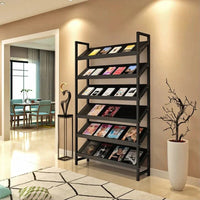
Bookcase Storage Cabinet 71 in Tall for Home Office
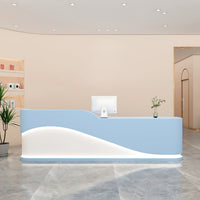
Curved Reception Desk 47-94 in Wide with Keyboard Tray, File Drawers & LED Lighting
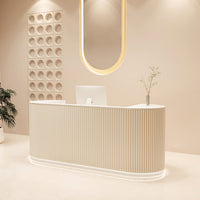
Curved Reception Desk 63-142 in Wide with Keyboard Tray, File Drawers & Fluted Front
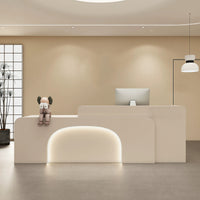
Curved Reception Desk 47-150 in Wide with LED Lighting, Keyboard Tray & File Drawers

Ergonomic Office Chair with Swivel, Curved & Dual-Tone for Home Office

Modern Executive Desk with Wireless Charging, Built-In Outlets & Side Storage

Modern Executive Desk 25-110 in Wide with Side Storage for Home Office
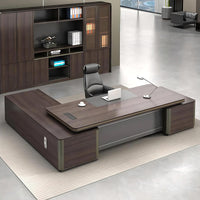
Modern Executive Desk 22-126 in Wide with Curved & Cable Management for Home Office
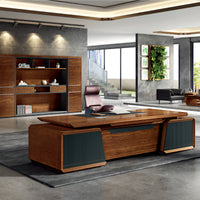
Modern Executive Desk 28-142 in Wide with Walnut for Home Office

Content Menu ● Why the Right Sofa Matters in a Small Office ● Key Considerations When Choosing an Office Sofa >> Size and Proportion >> Functionality >> Style and Aesthetics >> Comfort and Ergonomics >> Durability and...
Jul 03, 2025
Content Menu ● Understanding Lounge Sofas and Office Sofas >> What Are Lounge Sofas? >> What Are Office Sofas? ● Key Differences Between Lounge Sofas and Office Sofas >> Purpose and Usage >> Design and Comfort...
Jul 03, 2025
Content Menu ● Understanding the Importance of an Office Sofa ● Assessing Your Office Space and Needs >> Measuring Your Space >> Defining the Sofa's Purpose ● Prioritizing Comfort and Ergonomics >> Ergonomic Design >> Cushion Quality...
Jul 02, 2025