Select a checkout option below
Your cart is currently empty.
Continue shopping
 kaguyasu
Content Menu
● Table of Contents
● Introduction
● The Connection Between Comfort and Productivity
● Understanding Ergonomics: Beyond the Desk
>> The Importance of Supportive Seating
>> Office Sofas vs. Traditional Seating
● The Psychological Benefits of Office Sofas
>> Reducing Stress and Fatigue
>> Boosting Morale and Workplace Satisfaction
● Enhancing Collaboration and Creativity
>> Facilitating Informal Meetings
>> Encouraging Brainstorming and Innovation
● The Multifunctionality of Office Sofas
>> From Lounges to Focus Zones
>> Flexible Workspaces for Hybrid Working
● Design, Aesthetics, and Brand Image
>> Creating a Welcoming Environment
>> Impressing Clients and Visitors
● Selecting the Right Office Sofa
>> Considerations for Size and Placement
>> Material and Maintenance
● The Future Trends in Office Sofas
● FAQ: Common Questions and Answers
Office design has a significant impact on employee well-being, satisfaction, and output. As companies transition from traditional, rigid layouts to spaces that promote flexibility, creativity, and comfort, the office sofa has emerged as much more than just a piece of furniture. Instead, it is now a strategic element for fostering positivity and productivity in workplaces of all sizes. This comprehensive article examines the multiple ways that office sofas elevate employee comfort and productivity, delves into their role in shaping modern work culture, and offers advice on choosing the best sofa for your workspace.

- Introduction
- The Connection Between Comfort and Productivity
- Understanding Ergonomics: Beyond the Desk
- The Importance of Supportive Seating
- Office Sofas vs. Traditional Seating
- The Psychological Benefits of Office Sofas
- Reducing Stress and Fatigue
- Boosting Morale and Workplace Satisfaction
- Enhancing Collaboration and Creativity
- Facilitating Informal Meetings
- Encouraging Brainstorming and Innovation
- The Multifunctionality of Office Sofas
- From Lounges to Focus Zones
- Flexible Workspaces for Hybrid Working
- Design, Aesthetics, and Brand Image
- Creating a Welcoming Environment
- Impressing Clients and Visitors
- Selecting the Right Office Sofa
- Considerations for Size and Placement
- Material and Maintenance
- The Future Trends in Office Sofas
- FAQ: Common Questions and Answers
- Word Count
- Article Summary
Where and how people work has shifted dramatically in recent years. Open offices, collaborative zones, and breakout spaces have largely replaced the cubicle-driven designs of past decades. In this new paradigm, comfort takes center stage—not as an afterthought, but as a core feature of office planning.
One hallmark of this evolution is the office sofa. No longer an exclusive amenity for executives or reception areas, office sofas now populate collaborative workspaces, relaxation areas, and even team zones. The driving force behind this change is a simple truth: comfortable employees are productive employees.
Studies and professional experience alike affirm that physical comfort directly affects our ability to focus and perform at work. The introduction of soft seating, like office sofas, is linked with diverse positive outcomes:
- Reduced distractions due to discomfort or fatigue
- Higher engagement levels and focus
- Fewer work-related aches and pains, which translates to fewer sick days
- Enhanced job satisfaction
When employees have access to comfortable office sofas, their stress levels drop, and their energy is better sustained throughout the day. Instead of only providing straight-backed chairs and hard surfaces, offering soft, ergonomic sofas helps employees recharge, enabling them to return to their tasks with renewed vigor.
Ergonomics is often associated with office chairs and desks, but the principles extend to all seating, including sofas. An ergonomic office sofa is designed to support the natural posture of the body, distributing weight evenly, and reducing the strain on back, neck, and hips.
Features of an ergonomic office sofa typically include:
- Proper lumbar support for lower back comfort
- Cushioned seats that prevent numbness during longer breaks or informal meetings
- Armrests that alleviate shoulder and neck tension
- Adequate seat depth and height to accommodate a variety of users
Traditional office chairs offer rigidity and structure best suited for desk work, while sofas excel in communal scenarios—team discussions, creative brainstorming, or relaxed individual tasks. By providing that “third space,” between rigid desk seating and free movement, office sofas create a zone where posture can shift comfortably, helping prevent the repetitive stress injuries often associated with desk work.
Work can be mentally and physically demanding. Extended periods of concentration demand breaks, and the option to relax on a soft, inviting sofa provides a psychological buffer. Office sofas serve as mini-retreats, where employees can:
- Clear their minds between intensive tasks.
- Engage in casual social interactions that rejuvenate their mood.
- Experience a sense of autonomy and control over their work environment.
Frequent, brief breaks on office sofas help employees return to their desks feeling refreshed, facilitating more consistent performance and engagement.
A workspace that demonstrates concern for employee wellness—through amenities like comfortable sofas—sends a clear message: “We care about you.” This boosts morale, reduces turnover, and makes the workplace more attractive to prospective talent.
Furthermore, the home-like comfort of sofas helps dissolve the boundary between formality and relaxation, making employees feel more at ease and motivated.
A key benefit of office sofas is their ability to foster spontaneous, informal collaboration. Unlike enclosed meeting rooms, sofa zones are accessible and encourage team members to gather, exchange ideas, and solve problems in a relaxed yet productive manner.
The informal environment lowers social barriers, allowing employees at all levels to contribute openly. This not only aids problem-solving but can also fast-track decision-making.
Creative industries and forward-thinking companies have discovered that the best ideas often emerge when people are relaxed. Sofas, especially in lounge or breakout areas, enable employees to brainstorm freely, away from the rigid structures of boardrooms. The proximity to others and the relaxed posture foster “out-of-the-box” thinking.
The opportunity to change posture from upright in a chair to relaxed on a sofa frequently sparks fresh insights, as the brain thrives on novelty and comfort.
Office sofas are not confined to break areas. High-back sofas with acoustic features can create semi-private nooks within open-plan offices. These “work pods” or “focus zones” allow employees to step away from distractions and concentrate, communicate privately, or recharge in peace.
Modern office sofas are also modular, allowing businesses to reconfigure spaces quickly to match changing needs, such as:
- Hosting team huddles
- Arranging temporary quiet zones
- Facilitating group brainstorming
The rise of remote and hybrid work models demands adaptable office layouts. Sofas play a crucial role in creating versatile spaces that can quickly shift between quiet solo work and lively teamwork. Employees can choose where and how they work best, supporting a variety of tasks and preferences.
An office should not merely function; it should inspire and relax. Sofas, with their soft lines, inviting fabrics, and strategic placement, help to:
- Soften the utilitarian feel of traditional offices
- Add color, texture, and style to what would otherwise be bland spaces
- Encourage employees to linger, interact, and engage
Aesthetically pleasing workspaces improve mood, reinforce company culture, and help attract and retain skilled employees.
First impressions matter. An office that includes stylish, comfortable sofas in reception or meeting areas conveys professionalism, care, and a commitment to quality. Clients and guests will feel welcomed and at ease, which sets the stage for successful interactions and business relationships.
- Space Efficiency: Measure your available space to ensure the sofa complements the area without causing overcrowding.
- Flow and Accessibility: Sofas should be easy to access and encourage movement, not block pathways.
- Zone Intent: Place sofas near windows for natural light, in lounge corners for relaxation, or in central open spaces to create informal collaboration hubs.
- Durability: Select sturdy frames and high-quality upholstery to withstand daily use.
- Ease of Cleaning: Opt for stain-resistant, wipeable fabrics, especially in high-traffic or food-and-drink zones.
- Aesthetic Fit: Match colors and designs to reinforce your brand image and contribute to the atmosphere you wish to foster.
Office sofas continue to evolve in response to emerging workplace needs. The key trends transforming their function and design include:
- Sustainability: Use of eco-friendly materials and recycled fabrics.
- Technology Integration: Built-in charging ports, power outlets, and smart sensors for maximum convenience.
- Acoustic Privacy: High-back and enclosed designs that minimize noise and distractions in open offices.
- Modularity: Moveable layouts and adaptable configurations that can be changed with minimal effort to reflect evolving work modes.
- Hybrid-Friendly Spaces: Designs supporting both in-person and virtual collaboration, with features like integrated screens and webcam stations.
Forward-thinking businesses are harnessing these trends to create work environments that are as flexible and innovative as the teams they house.
1. How do office sofas specifically improve productivity?
Office sofas provide comfortable spaces for employees to rest and recharge, reducing fatigue and enhancing their ability to focus. By serving as informal meeting points, they also foster collaboration and creativity, which can boost both individual output and team productivity.
2. Are office sofas suitable for all types of businesses?
Most businesses can benefit from office sofas, regardless of industry or size. The key is to select designs and placements that match the company culture and support specific work patterns, whether for creative teams, technical staff, or executive areas.
3. Do office sofas require special maintenance?
Maintenance depends on the materials and usage. Most modern office sofas are made with durable, easy-to-clean fabrics. Regular vacuuming and prompt cleaning of spills help preserve appearance and hygiene.
4. Can office sofas replace traditional desks and chairs?
Office sofas are a supplement, not a replacement, for desks and task chairs. They offer flexibility for breaks, impromptu meetings, or creative work but aren't intended for prolonged periods of desk-level tasks that require structured posture and dedicated equipment.
5. What features should I look for when selecting an office sofa?
Key features include ergonomic support, quality materials, ease of maintenance, and a design that fits your available space and brand image. Consider modular designs for flexibility and options with built-in charging or acoustics for added functionality.

[1] https://www.opaliving.co.uk/blogs/news/enhancing-productivity-with-comfortable-office-sofas
[2] https://shinplaza.am/en/news/view/office-sofas-comfort-and-elegance-for-productivity
[3] https://directoffice.com/sofas-becoming-a-must-have-in-modern-offices/
[4] https://www.dious-furniture.com/spaces/top-executive-sofa-for-offices
[5] https://alphayourspace.com/insights/are-sofas-in-the-office-now-an-essential
[6] https://www.jddfurniture.com/blogs/news/how-sofa-dens-improve-productivity
[7] https://kaguyasu.com/blogs/blog/introduction-to-office-sofas-enhancing-workspaces-globally
[8] https://officefurnitureiq.com.au/blogs/news/why-an-office-couch-is-the-key-to-boosting-creativity-and-comfort-in-the-workplace
[9] https://www.mwworkstation.com/article/benefits-of-office-sofa-in-workspaces.html
[10] https://stylenations.com/how-modern-office-furniture-impacts-productivity
[11] https://awofficefurniture.com/the-importance-of-having-sofas-in-the-workplace/
[12] https://createspaces.com/blog/how-does-office-furniture-affect-workplace-productivity/
[13] https://www.keyinteriors.us/blog/how-an-office-couch-can-improve-workplace-happiness/
[14] https://bluespaceinteriors.com/5-benefits-of-high-quality-office-furniture/
[15] https://www.sohomod.com/office/office-seating-furniture/office-sofas.html
[16] https://hi5furniture.com/media-center/blogs/how-well-designed-office-furniture-can-boost-morale-and-productivity/amp/
[17] https://www.migefurniture.com/most-comfortable-couches/
[18] https://www.reddit.com/r/OfficeChairs/comments/13p5wcx/are_there_any_office_chairs_that_are_as/
Hot Tags: China, Global, OEM, private label, manufacturers, factory, suppliers, manufacturing company

Leather Executive Office Chair with Genuine Leather, Solid Wood & Lumbar Support

Mesh Ergonomic Office Chair with Breathable Mesh & Lumbar Support for Executive Office
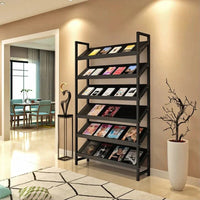
Bookcase Storage Cabinet 71 in Tall for Home Office
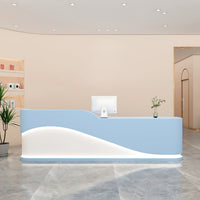
Curved Reception Desk 47-94 in Wide with Keyboard Tray, File Drawers & LED Lighting
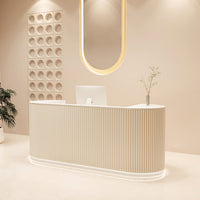
Curved Reception Desk 63-142 in Wide with Keyboard Tray, File Drawers & Fluted Front
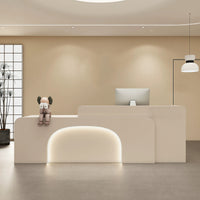
Curved Reception Desk 47-150 in Wide with LED Lighting, Keyboard Tray & File Drawers

Ergonomic Office Chair with Swivel, Curved & Dual-Tone for Home Office

Modern Executive Desk with Wireless Charging, Built-In Outlets & Side Storage

Modern Executive Desk 25-110 in Wide with Side Storage for Home Office
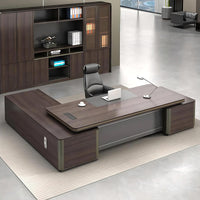
Modern Executive Desk 22-126 in Wide with Curved & Cable Management for Home Office
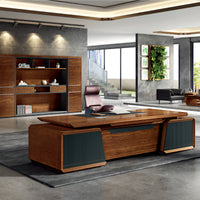
Modern Executive Desk 28-142 in Wide with Walnut for Home Office

Content Menu ● Understanding Lounge Sofas and Office Sofas >> What Are Lounge Sofas? >> What Are Office Sofas? ● Key Differences Between Lounge Sofas and Office Sofas >> Purpose and Usage >> Design and Comfort...
Jul 03, 2025
Content Menu ● Understanding the Importance of an Office Sofa ● Assessing Your Office Space and Needs >> Measuring Your Space >> Defining the Sofa's Purpose ● Prioritizing Comfort and Ergonomics >> Ergonomic Design >> Cushion Quality...
Jul 02, 2025
Content Menu ● Introduction ● What Are Office Sofas and Why Are They Essential? >> Understanding Office Sofas >> Importance of Office Sofas in Modern Workspaces ● The Role of OEM Manufacturers and Suppliers in...
Jul 02, 2025