Select a checkout option below
Your cart is currently empty.
Continue shopping
 kaguyasu
Content Menu
● Understanding Desk Sizes
>> Standard Desk Dimensions
>> Types of Desks
● Factors to Consider When Choosing Desk Size
>> Available Space
>> Ergonomics
>> Work Style
>> Storage Needs
>> Personal Preferences
● Popular Desk Sizes and Their Uses
>> Small Desks (Under 48 inches)
>> Medium Desks (48 to 60 inches)
>> Large Desks (Over 60 inches)
● Desk Shape Considerations
>> Rectangular Desks
>> L-Shaped Desks
>> U-Shaped Desks
● Tips for Choosing the Right Desk Size
● Conclusion
>> Frequently Asked Questions
Choosing the right size office desk is crucial for creating a productive workspace. Whether you are working from home or in a corporate environment, the desk you select can significantly impact your comfort, efficiency, and overall work experience. This article will explore various factors to consider when determining the ideal desk size for your needs, including space constraints, ergonomic considerations, and personal preferences.

Office desks come in various sizes, typically categorized into standard dimensions. A standard desk is usually around 60 inches wide, 30 inches deep, and 29 to 30 inches high. However, these dimensions can vary based on the type of desk and its intended use. For instance, a writing desk may be smaller, while an executive desk may be larger and more elaborate.
When considering desk size, it's essential to understand the different types of desks available:
- Writing Desks: Generally smaller, ideal for limited spaces, and suitable for writing or using a laptop.
- Computer Desks: Designed to accommodate computers and peripherals, often featuring additional storage.
- Executive Desks: Larger and more formal, these desks provide ample workspace and storage options.
- Standing Desks: Adjustable desks that allow users to alternate between sitting and standing, often requiring more space.
- Corner Desks: Designed to fit into a corner, maximizing space in smaller offices.
Before selecting a desk, measure the available space in your office. Consider not only the desk's footprint but also the surrounding area. You need enough room to move around comfortably and access other furniture, such as chairs and filing cabinets. A good rule of thumb is to leave at least 36 inches of clearance around the desk for easy movement.
Ergonomics plays a vital role in desk selection. An appropriately sized desk can help prevent strain and discomfort during long working hours. The desk height should allow your elbows to be at a 90-degree angle when typing, and your feet should rest flat on the floor. If you are taller or shorter than average, you may need to adjust your desk height accordingly or consider an adjustable desk.
Your work style significantly influences the desk size you need. If you frequently use multiple monitors, a larger desk may be necessary to accommodate them comfortably. Similarly, if you require space for documents, books, or other materials, a bigger desk with additional surface area will be beneficial. Consider how you work and what items you need to have within reach.
Think about your storage requirements when selecting a desk size. If you have a lot of paperwork, books, or office supplies, you may need a desk with built-in storage options, such as drawers or shelves. Alternatively, if you prefer a minimalist setup, a smaller desk with fewer storage options may suffice.
Your personal preferences also play a role in desk size selection. Some people prefer a spacious desk to spread out their work, while others may feel overwhelmed by too much space. Consider what makes you feel comfortable and productive. Additionally, think about the aesthetic you want to achieve in your office. A larger desk may create a more formal look, while a smaller desk can lend a more casual vibe.
Small desks are ideal for limited spaces, such as small home offices or dorm rooms. They typically range from 30 to 48 inches in width and are perfect for basic tasks like writing or using a laptop. However, they may not provide enough space for multiple monitors or extensive paperwork.
Medium desks offer a balance between space and functionality. Ranging from 48 to 60 inches in width, they can accommodate a computer, monitor, and some additional workspace for documents. These desks are suitable for most home offices and small business setups.
Large desks are perfect for those who need ample workspace. Ranging from 60 inches and up, these desks can accommodate multiple monitors, extensive paperwork, and additional office equipment. They are ideal for executive offices or anyone who requires a lot of space to work efficiently.
Rectangular desks are the most common shape and are versatile for various office layouts. They provide a straightforward design that fits well in most spaces.
L-shaped desks are excellent for maximizing corner space and providing additional surface area. They are ideal for multitaskers who need to spread out their work or for those who want to create a more dynamic workspace.
U-shaped desks offer even more workspace and are suitable for larger offices. They provide a central area for working while allowing for easy access to storage and other materials.
1. Measure Your Space: Before shopping for a desk, measure your office space to determine the maximum size you can accommodate.
2. Consider Your Needs: Think about how you work and what items you need on your desk. This will help you determine the appropriate size.
3. Test It Out: If possible, try out different desk sizes in a store to see what feels comfortable and functional for you.
4. Think Long-Term: Consider your future needs. If you anticipate needing more space or equipment, opt for a larger desk now.
5. Don't Forget About Accessories: Remember to account for any additional accessories, such as monitors, printers, or filing cabinets, when determining desk size.
Choosing the right size office desk is essential for creating a comfortable and productive workspace. By considering factors such as available space, ergonomics, work style, storage needs, and personal preferences, you can select a desk that meets your requirements. Whether you opt for a small writing desk or a large executive desk, the right choice will enhance your work experience and help you stay organized.

1. What is the standard height for an office desk?
The standard height for an office desk is typically between 29 to 30 inches.
2. How much space should I leave around my desk?
It is recommended to leave at least 36 inches of clearance around your desk for easy movement.
3. What size desk is best for a small home office?
A small desk under 48 inches is ideal for limited spaces, providing enough room for basic tasks.
4. Are standing desks worth the investment?
Yes, standing desks can promote better posture and reduce the risk of health issues associated with prolonged sitting.
5. How do I know if a desk is the right size for me?
Test the desk height and surface area to ensure it allows for comfortable typing and access to necessary materials.
Hot Tags: China, Global, OEM, private label, manufacturers, factory, suppliers, manufacturing company

Modern Reception Desk 31 in Wide for Office Lobby

Leather Executive Office Chair with Genuine Leather, Solid Wood & Lumbar Support

Mesh Ergonomic Office Chair with Breathable Mesh & Lumbar Support for Executive Office

Bookcase Storage Cabinet 71 in Tall for Home Office
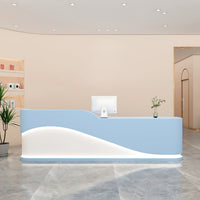
Curved Reception Desk 47-94 in Wide with Keyboard Tray, File Drawers & LED Lighting
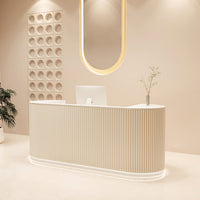
Curved Reception Desk 63-142 in Wide with Keyboard Tray, File Drawers & Fluted Front
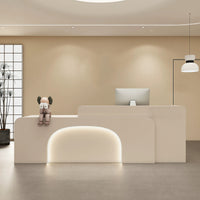
Curved Reception Desk 47-150 in Wide with LED Lighting, Keyboard Tray & File Drawers

Ergonomic Office Chair with Swivel, Curved & Dual-Tone for Home Office

Modern Executive Desk with Wireless Charging, Built-In Outlets & Side Storage

Modern Executive Desk 25-110 in Wide with Side Storage for Home Office

Modern Conference Table 59-91 in Wide (4.9-7.6 ft) with Built-In Outlets & Lumbar Support
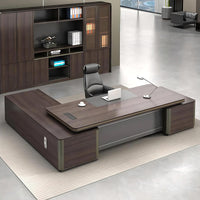
Modern Executive Desk 22-126 in Wide with Curved & Cable Management for Home Office

Modern Executive Desk 28-142 in Wide with Walnut for Home Office

Content Menu ● Understanding Office Layouts >> The Importance of Office Design >> Types of Office Layouts ● How Layouts Influence Team Performance >> Promoting Collaboration >> Reducing Distractions >> Balancing Privacy and Openness ● The Psychological Impact...
Nov 14, 2025
Content Menu ● Understanding Collaborative Work Environments >> What is a Collaborative Work Environment? >> Importance of Office Design in Collaboration ● Key Features of Collaborative Desks >> 1. Modularity >> 2. Ergonomics >> 3. Technology Integration...
Nov 13, 2025
Content Menu ● Understanding Different Desk Materials >> Wood >>> Solid Wood >>> Plywood >>> Particleboard >> Metal >>> Steel >>> Aluminum >> Glass >>> Tempered Glass >> Composite Materials ● The Importance of Material Quality >> Durability >> Aesthetics >> Comfort and Ergonomics >> Maintenance...
Nov 13, 2025