Select a checkout option below
Your cart is currently empty.
Continue shopping
 kaguyasu
Content Menu
● Understanding Office Layouts
>> The Importance of Office Design
>> Types of Office Layouts
● How Layouts Influence Team Performance
>> Promoting Collaboration
>> Reducing Distractions
>> Balancing Privacy and Openness
● The Psychological Impact of Office Layouts
>> Employee Well-Being
>> The Role of Personalization
>> Encouraging Movement
● Best Practices for Designing Office Layouts
>> Assessing Team Needs
>> Flexibility is Key
>> Incorporating Technology
>> Creating Zones
● Conclusion
>> Frequently Asked Questions
The layout of an office is more than just a matter of aesthetics; it plays a crucial role in shaping team dynamics, productivity, and overall employee satisfaction. In this article, we will explore how different office desk layouts can influence team performance, the psychological effects of these layouts, and best practices for creating an environment that fosters collaboration and efficiency.

Office design encompasses various elements, including the arrangement of desks, the choice of furniture, and the overall spatial organization. A well-thought-out office layout can enhance communication, collaboration, and creativity among team members. Conversely, a poorly designed space can lead to isolation, decreased morale, and reduced productivity.
1. Open Office Layouts: These layouts feature large, open spaces with minimal barriers between workstations. They are designed to promote interaction and collaboration among employees.
2. Cubicle Layouts: Traditional cubicle setups provide employees with individual workspaces separated by partitions. This layout can reduce distractions but may also hinder communication.
3. Hybrid Layouts: Combining elements of both open and cubicle layouts, hybrid designs offer flexibility, allowing teams to collaborate in open spaces while also providing private areas for focused work.
Open office layouts are often praised for their ability to foster collaboration. By removing physical barriers, employees can easily communicate and share ideas. This setup encourages spontaneous discussions and brainstorming sessions, which can lead to innovative solutions and improved team cohesion.
While open layouts promote collaboration, they can also introduce distractions. Noise and movement can disrupt concentration, making it challenging for employees to focus on their tasks. In contrast, cubicle layouts can provide a quieter environment, allowing for deeper concentration on individual projects.
A hybrid layout can strike a balance between the need for collaboration and the need for privacy. By incorporating both open spaces and private work areas, teams can enjoy the benefits of collaboration while also having the option to retreat to quieter spaces when necessary.
The design of an office can significantly impact employee well-being. Natural light, greenery, and ergonomic furniture contribute to a positive work environment. Studies have shown that access to natural light can improve mood, increase productivity, and reduce absenteeism. Therefore, incorporating windows and plants into the office design can enhance employee satisfaction.
Allowing employees to personalize their workspaces can also boost morale and productivity. When individuals have the freedom to decorate their desks or choose their seating arrangements, they are more likely to feel a sense of ownership and belonging within the workplace.
Layouts that encourage movement can also positively affect team performance. For instance, creating designated areas for collaboration, such as lounge spaces or meeting rooms, can motivate employees to leave their desks and engage with their colleagues. This movement can lead to increased creativity and a stronger sense of community.
Before designing an office layout, it is essential to assess the specific needs of the team. Consider factors such as the nature of the work, team size, and preferred working styles. Conducting surveys or focus groups can provide valuable insights into what employees value in their workspace.
Designing flexible workspaces that can adapt to changing team dynamics is crucial. Movable furniture, adjustable desks, and multipurpose areas can accommodate various activities, from collaborative brainstorming sessions to focused individual work.
Integrating technology into the office layout can enhance productivity. Providing access to collaborative tools, video conferencing equipment, and charging stations can facilitate communication and streamline workflows.
Establishing different zones within the office can help cater to various work styles. For example, quiet zones for focused work, collaborative spaces for teamwork, and social areas for informal interactions can create a balanced environment that supports diverse needs.
The layout of an office significantly impacts team performance, influencing collaboration, communication, and overall employee satisfaction. By understanding the effects of different office designs and implementing best practices, organizations can create workspaces that foster productivity and enhance team dynamics. A thoughtful approach to office layout not only benefits employees but also contributes to the overall success of the organization.

1. What is the best office layout for promoting collaboration?
- Open office layouts are often considered the best for promoting collaboration as they encourage communication and idea sharing among team members.
2. How can office design impact employee well-being?
- Office design can impact well-being by incorporating natural light, ergonomic furniture, and spaces for relaxation, which can improve mood and reduce stress.
3. What are the advantages of hybrid office layouts?
- Hybrid layouts offer the benefits of both open and private spaces, allowing for collaboration while also providing areas for focused work.
4. How can personalization of workspaces affect productivity?
- Personalizing workspaces can increase employee satisfaction and ownership, leading to higher motivation and productivity.
5. What role does technology play in office layouts?
- Technology enhances productivity by facilitating communication and collaboration, making it essential to integrate tech solutions into office designs.
Hot Tags: China, Global, OEM, private label, manufacturers, factory, suppliers, manufacturing company

Modern Reception Desk 31 in Wide for Office Lobby

Leather Executive Office Chair with Genuine Leather, Solid Wood & Lumbar Support

Mesh Ergonomic Office Chair with Breathable Mesh & Lumbar Support for Executive Office
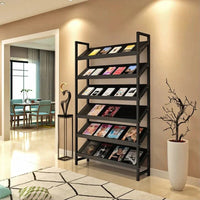
Bookcase Storage Cabinet 71 in Tall for Home Office
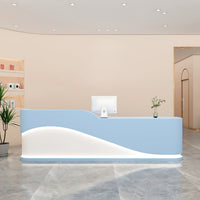
Curved Reception Desk 47-94 in Wide with Keyboard Tray, File Drawers & LED Lighting
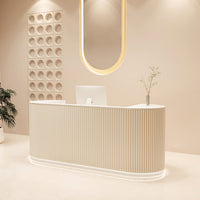
Curved Reception Desk 63-142 in Wide with Keyboard Tray, File Drawers & Fluted Front
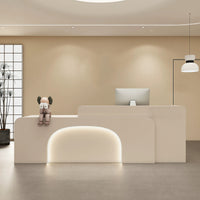
Curved Reception Desk 47-150 in Wide with LED Lighting, Keyboard Tray & File Drawers

Ergonomic Office Chair with Swivel, Curved & Dual-Tone for Home Office

Modern Executive Desk with Wireless Charging, Built-In Outlets & Side Storage

Modern Executive Desk 25-110 in Wide with Side Storage for Home Office

Modern Conference Table 59-91 in Wide (4.9-7.6 ft) with Built-In Outlets & Lumbar Support
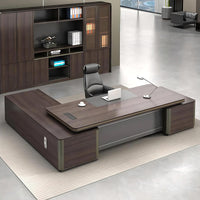
Modern Executive Desk 22-126 in Wide with Curved & Cable Management for Home Office
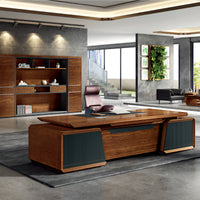
Modern Executive Desk 28-142 in Wide with Walnut for Home Office

Content Menu ● Understanding Collaborative Work Environments >> What is a Collaborative Work Environment? >> Importance of Office Design in Collaboration ● Key Features of Collaborative Desks >> 1. Modularity >> 2. Ergonomics >> 3. Technology Integration...
Nov 13, 2025
Content Menu ● Understanding Different Desk Materials >> Wood >>> Solid Wood >>> Plywood >>> Particleboard >> Metal >>> Steel >>> Aluminum >> Glass >>> Tempered Glass >> Composite Materials ● The Importance of Material Quality >> Durability >> Aesthetics >> Comfort and Ergonomics >> Maintenance...
Nov 13, 2025
Content Menu ● The Rise of Ergonomic Designs >> Prioritizing Comfort and Health >> Standing Desks and Flexibility ● Smart Technology Integration >> The Smart Desk Revolution >> Enhanced Connectivity ● Sustainable Materials and Practices >> Eco-Friendly Furniture...
Nov 12, 2025