Select a checkout option below
Your cart is currently empty.
Continue shopping
 kaguyasu
Content Menu
● Understanding Different Desk Materials
>> Wood
>>> Solid Wood
>>> Plywood
>>> Particleboard
>> Metal
>>> Steel
>>> Aluminum
>> Glass
>>> Tempered Glass
>> Composite Materials
● The Importance of Material Quality
>> Durability
>> Aesthetics
>> Comfort and Ergonomics
>> Maintenance
>> Environmental Impact
● Factors to Consider When Choosing Desk Materials
>> Intended Use
>> Office Style
>> Budget
>> Size and Space
>> Personal Preference
● Conclusion
>> Frequently Asked Questions
Choosing the right office desk is a crucial decision for anyone who spends significant time working at a desk. The material quality of the desk plays a vital role in its durability, aesthetics, and overall functionality. In this article, we will explore the various materials used in office desks, their advantages and disadvantages, and why material quality should be a top consideration when making your choice.

When it comes to office desks, the materials used can vary widely. Here are some of the most common materials:
Wood is a classic choice for office desks, known for its durability and timeless appeal. There are several types of wood used in desk construction:
Solid wood desks are made from a single piece of wood or multiple pieces glued together. They are incredibly durable and can last for decades with proper care. Solid wood desks also have a unique grain pattern, making each piece one-of-a-kind.
Plywood is made from thin layers of wood veneer glued together. It is lighter and often more affordable than solid wood. While plywood can be durable, it may not have the same aesthetic appeal as solid wood.
Particleboard is made from wood chips and resin, compressed into sheets. It is the most affordable option but is less durable than solid wood or plywood. Particleboard desks can be susceptible to damage from moisture and heavy use.
Metal desks are known for their modern look and durability. They are often used in contemporary office designs and can be made from various metals, including steel and aluminum.
Steel desks are incredibly strong and resistant to wear and tear. They are often used in industrial settings but can also fit well in modern office environments. Steel desks can be heavy, making them less portable.
Aluminum desks are lightweight and resistant to corrosion. They are often used in mobile office setups or for desks that need to be moved frequently. However, aluminum may not be as sturdy as steel.
Glass desks offer a sleek and modern aesthetic. They can create an open and airy feel in an office space. However, glass desks can be prone to scratches and may require more maintenance to keep them looking pristine.
Tempered glass is stronger and more durable than regular glass. It is less likely to shatter and can withstand more weight. However, it can still be susceptible to scratches and requires careful handling.
Composite materials combine different materials to create a desk that balances aesthetics and functionality. For example, a desk may have a wooden surface with metal legs, providing both style and stability.
When selecting an office desk, the quality of the material is paramount. Here are several reasons why material quality matters:
High-quality materials ensure that your desk can withstand daily use without showing signs of wear and tear. A durable desk will last longer, saving you money in the long run by reducing the need for replacements.
The material of your desk significantly impacts the overall look of your office. High-quality materials often have a more refined appearance, contributing to a professional and inviting workspace. A well-chosen desk can enhance the aesthetic appeal of your office and create a positive impression on clients and colleagues.
The material of your desk can also affect your comfort while working. For instance, a solid wood desk may provide a more stable surface for writing or using a computer compared to a flimsy particleboard desk. Additionally, the finish of the material can impact how comfortable it feels to the touch, which is essential for long hours of work.
Different materials require varying levels of maintenance. High-quality materials may be easier to clean and maintain, while lower-quality options may require more frequent repairs or replacements. For example, a glass desk may need regular cleaning to avoid smudges, while a solid wood desk may only need occasional polishing.
Choosing desks made from sustainable materials can reduce your environmental footprint. High-quality wood sourced from responsibly managed forests or recycled materials can contribute to a more sustainable office environment. Understanding the source of your desk's materials can help you make a more eco-friendly choice.
When selecting the material for your office desk, consider the following factors:
Think about how you will use the desk. If you need a surface for heavy equipment or multiple monitors, a sturdy material like solid wood or steel may be necessary. For lighter use, a plywood or composite desk may suffice.
Consider the overall style of your office. A modern office may benefit from a glass or metal desk, while a traditional office may look better with a solid wood desk. The material should complement the existing decor and create a cohesive look.
Your budget will significantly influence your choice of materials. While high-quality materials may come with a higher price tag, they often provide better value over time due to their durability and lower maintenance costs.
The size of your office and the desk's dimensions are also important. Ensure that the material you choose can accommodate the space available without overwhelming it. For smaller offices, lighter materials like aluminum or glass may be more suitable.
Ultimately, your personal preference plays a significant role in your decision. Choose a material that you find appealing and that fits your style. A desk is a significant investment, and you should feel comfortable and happy with your choice.
In conclusion, the material quality of an office desk is a critical factor that affects its durability, aesthetics, comfort, and maintenance. By understanding the different materials available and their respective advantages and disadvantages, you can make an informed decision that meets your needs and enhances your workspace. Investing in a high-quality desk will not only improve your work environment but also contribute to your overall productivity and well-being.

1. What is the best material for an office desk?
- The best material depends on your needs. Solid wood is durable and aesthetically pleasing, while metal offers modern appeal and strength. Glass provides a sleek look but may require more maintenance.
2. How can I maintain my office desk?
- Regular cleaning with appropriate products for the material, avoiding excessive moisture, and using coasters or mats can help maintain your desk's appearance and longevity.
3. Are glass desks safe?
- Yes, tempered glass desks are designed to be safe and durable. However, they can be prone to scratches, so care should be taken to avoid damaging the surface.
4. What should I consider when choosing a desk for a small office?
- Consider lightweight materials like aluminum or glass, and choose a design that maximizes space without sacrificing functionality.
5. How does material quality affect the price of an office desk?
- Higher quality materials typically come with a higher price tag due to their durability, aesthetics, and lower maintenance needs. Investing in quality can save money in the long run.
Hot Tags: China, Global, OEM, private label, manufacturers, factory, suppliers, manufacturing company

Modern Reception Desk 31 in Wide for Office Lobby

Leather Executive Office Chair with Genuine Leather, Solid Wood & Lumbar Support

Mesh Ergonomic Office Chair with Breathable Mesh & Lumbar Support for Executive Office

Bookcase Storage Cabinet 71 in Tall for Home Office
Curved Reception Desk 47-94 in Wide with Keyboard Tray, File Drawers & LED Lighting
Curved Reception Desk 63-142 in Wide with Keyboard Tray, File Drawers & Fluted Front
Curved Reception Desk 47-150 in Wide with LED Lighting, Keyboard Tray & File Drawers

Ergonomic Office Chair with Swivel, Curved & Dual-Tone for Home Office

Modern Executive Desk with Wireless Charging, Built-In Outlets & Side Storage

Modern Executive Desk 25-110 in Wide with Side Storage for Home Office

Modern Conference Table 59-91 in Wide (4.9-7.6 ft) with Built-In Outlets & Lumbar Support
Modern Executive Desk 22-126 in Wide with Curved & Cable Management for Home Office
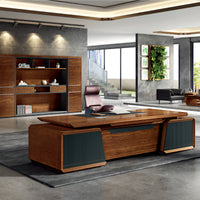
Modern Executive Desk 28-142 in Wide with Walnut for Home Office

Content Menu ● The Rise of Ergonomic Designs >> Prioritizing Comfort and Health >> Standing Desks and Flexibility ● Smart Technology Integration >> The Smart Desk Revolution >> Enhanced Connectivity ● Sustainable Materials and Practices >> Eco-Friendly Furniture...
Nov 12, 2025
Content Menu ● Understanding the Importance of Space-Saving Desks >> The Need for Space Efficiency >> Benefits of Space-Saving Desks ● Types of Space-Saving Desks >> 1. Wall-Mounted Desks >>> Advantages of Wall-Mounted Desks >> 2. Foldable...
Nov 12, 2025
Content Menu ● Understanding Tech-Heavy Setups >> What is a Tech-Heavy Setup? >> Importance of Choosing the Right Desk ● Key Features to Look for in a Desk >> Size and Space >> Weight Capacity >> Cable...
Nov 11, 2025