
Your Cart
Your cart is currently empty.
Continue shopping
Content Menu
● Understanding Executive Desks
>> Design and Aesthetics
>> Size and Space Requirements
>> Functionality and Features
● Exploring Standard Office Desks
>> Design and Aesthetics
>> Size and Space Requirements
>> Functionality and Features
● Key Differences Between Executive and Standard Desks
>> 1. Purpose and Use
>> 2. Material Quality
>> 3. Price Range
>> 4. Customization Options
>> 5. Impressions and Status
● Choosing the Right Desk for Your Needs
>> Office Size and Layout
>> Role and Responsibilities
>> Budget Considerations
>> Aesthetic Preferences
● Conclusion
>> Frequently Asked Questions
When it comes to furnishing an office, the choice of desk is crucial. The desk not only serves as a workspace but also reflects the professional image of the individual and the organization. Among the various types of desks available, executive and standard office desks are two of the most common. Understanding the differences between these two types can help you make an informed decision that suits your needs and enhances your workspace.

Executive desks are often designed to make a statement. They are typically larger and more imposing than standard desks, featuring high-quality materials such as solid wood, leather, or metal finishes. The design is often elegant and sophisticated, aimed at creating a professional atmosphere that conveys authority and status. Many executive desks come with additional features such as built-in storage, cable management systems, and even integrated technology to support modern work needs.
One of the most significant differences between executive and standard desks is their size. Executive desks are generally larger, often measuring between 66 to 84 inches in width and 30 to 42 inches in depth. This ample space allows for multiple monitors, paperwork, and other office essentials, making them ideal for high-level executives who require a functional yet stylish workspace. In contrast, standard desks are usually smaller, typically ranging from 48 to 60 inches wide, making them suitable for more compact office environments.
Executive desks are designed with functionality in mind. They often include features such as multiple drawers for storage, built-in power outlets, and cable management systems to keep cords organized. These desks are not just about aesthetics; they are built to accommodate the needs of executives who may have to conduct meetings, manage paperwork, and use various electronic devices simultaneously.
Standard office desks, on the other hand, are more utilitarian in design. They prioritize functionality over form, often featuring simpler lines and less ornate finishes. While they can still be stylish, standard desks are generally designed to fit a variety of office styles and are available in a wide range of materials, including laminate, metal, and wood. The focus is on providing a practical workspace that can accommodate everyday tasks.
Standard desks are designed to fit into smaller spaces, making them ideal for shared offices or home workspaces. Their compact size allows for efficient use of limited room, encouraging a more organized and clutter-free environment. This makes them a popular choice for businesses looking to furnish multiple workstations without sacrificing too much space.
While standard desks may not have the extensive features of executive desks, they still offer essential functionality. Many come with drawers or shelves for storage, and some models include built-in cable management. However, they typically lack the luxurious features found in executive desks, focusing instead on providing a straightforward workspace for daily tasks.
The primary purpose of an executive desk is to serve as a workspace for high-level professionals, often used for meetings and decision-making. In contrast, standard desks are designed for general office use, accommodating a wide range of tasks from computer work to paperwork.
Executive desks are often made from higher-quality materials, such as solid wood or premium veneers, which contribute to their durability and aesthetic appeal. Standard desks, while still functional, may use less expensive materials, making them more budget-friendly but potentially less durable.
Due to their size, materials, and features, executive desks tend to be more expensive than standard desks. This higher price reflects the investment in quality and the status associated with having an executive desk in an office. Standard desks, being more affordable, are often chosen for their practicality, especially in environments where multiple desks are needed.
Executive desks often come with more customization options, allowing buyers to choose finishes, sizes, and additional features that suit their specific needs. Standard desks typically offer fewer customization choices, focusing instead on standard sizes and designs that can fit a variety of office layouts.
An executive desk is not just a piece of furniture; it is a symbol of authority and professionalism. The presence of an executive desk in an office can convey a sense of power and leadership. In contrast, standard desks, while functional, do not carry the same weight in terms of status and impression.
When deciding between an executive and a standard office desk, consider the following factors:
Evaluate the size of your office space. If you have a larger office, an executive desk can serve as a focal point and provide ample workspace. In smaller offices, a standard desk may be more appropriate to maximize space efficiency.
Consider your role and the tasks you perform daily. If you are in a leadership position that requires frequent meetings and presentations, an executive desk may be more suitable. For general office work, a standard desk can provide the necessary functionality without the added expense.
Budget is a crucial factor in your decision. Executive desks are a significant investment, while standard desks offer a more economical solution. Determine your budget and choose a desk that meets your needs without compromising on quality.
Think about the overall aesthetic of your office. If you want to create a formal and professional environment, an executive desk may be the best choice. For a more modern and minimalistic look, a standard desk can fit seamlessly into your design.
In summary, the choice between an executive desk and a standard office desk depends on various factors, including office size, role requirements, budget, and personal style preferences. Executive desks offer grandeur and functionality for leadership roles, while standard desks provide versatility and affordability for everyday office use. By carefully evaluating your needs, you can select the desk that enhances your productivity and complements your workspace.

1. What is the primary function of an executive desk?
- Executive desks are designed for high-level professionals, providing a spacious and functional workspace for meetings and decision-making.
2. Are executive desks worth the investment?
- Yes, executive desks are often made from high-quality materials and offer features that enhance productivity, making them a worthwhile investment for leadership roles.
3. Can standard desks be used in executive offices?
- While standard desks can be used in executive offices, they may not convey the same level of authority and professionalism as an executive desk.
4. What materials are commonly used for executive desks?
- Executive desks are typically made from solid wood, high-quality veneers, and sometimes metal or glass, emphasizing durability and aesthetics.
5. How do I choose the right desk for my office?
- Consider factors such as office size, role responsibilities, budget, and aesthetic preferences to determine which desk type best suits your needs.
Hot Tags: China, Global, OEM, private label, manufacturers, factory, suppliers, manufacturing company

Modern Reception Desk 31 in Wide for Office Lobby

Mesh Ergonomic Office Chair with Breathable Mesh & Lumbar Support for Executive Office
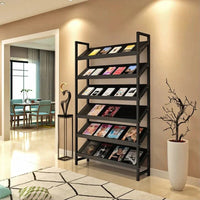
Bookcase Storage Cabinet 71 in Tall for Home Office
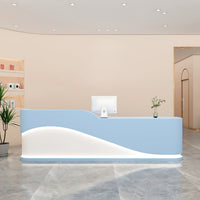
Curved Reception Desk 47-94 in Wide with Keyboard Tray, File Drawers & LED Lighting
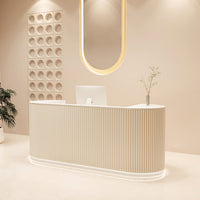
Curved Reception Desk 63-142 in Wide with Keyboard Tray, File Drawers & Fluted Front
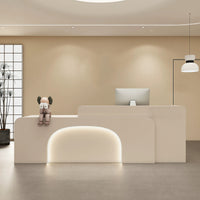
Curved Reception Desk 47-150 in Wide with LED Lighting, Keyboard Tray & File Drawers

Ergonomic Office Chair with Swivel, Curved & Dual-Tone for Home Office

Modern Executive Desk with Wireless Charging, Built-In Outlets & Side Storage

Modern Executive Desk 25-110 in Wide with Side Storage for Home Office

Modern Conference Table 59-91 in Wide (4.9-7.6 ft) with Built-In Outlets & Lumbar Support
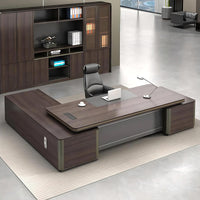
Modern Executive Desk 22-126 in Wide with Curved & Cable Management for Home Office
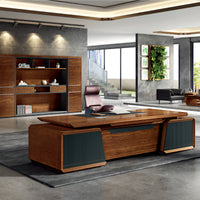
Modern Executive Desk 28-142 in Wide with Walnut for Home Office

Modern Executive Desk with Cable Management, Side Storage & Lumbar Support for Home Office

Modern Executive Desk 31-126 in Wide for Home Office

Content Menu ● Understanding Conference Table Shapes >> The Role of Table Shape in Meeting Dynamics >> Common Table Shapes in Modern Offices ● Round Conference Tables >> Advantages of Round Tables >> Disadvantages of Round...
Nov 10, 2025
Content Menu ● The impact of table shape on collaboration ● Surface design and user experience ● Acoustic considerations and comfort ● Flexible configurations for different meeting formats ● Technology integration and cable management ● Ergonomics...
Oct 26, 2025
Content Menu ● The importance of ergonomics in conference environments ● Key ergonomic design principles ● Common table shapes and their ergonomic implications ● Materials matter: balance aesthetics, durability, and comfort ● Customization: tailoring tables...
Oct 23, 2025