Select a checkout option below
Your cart is currently empty.
Continue shopping
 kaguyasu
Content Menu
● The impact of table shape on collaboration
● Surface design and user experience
● Acoustic considerations and comfort
● Flexible configurations for different meeting formats
● Technology integration and cable management
● Ergonomics and inclusive design
● Aesthetics and brand alignment
● Maintenance, durability, and lifecycle considerations
● Environmental impact and sustainability
● Budgeting and total cost of ownership
● Implementation strategy for a new conference table system
● Case studies: productivity gains through thoughtful design
● Sustainable procurement and supplier considerations
● Wrapping up: designing for productivity
● Frequently Asked Questions
In today's fast-paced business environment, the physical workspace plays a crucial role in shaping how teams collaborate, communicate, and ultimately perform. The conference room, often seen as the nerve center of decision-making, deserves careful attention to its furniture, especially the conference table. The right table design can influence meeting effectiveness, attendee comfort, and the overall flow of information. This article explores how to maximize productivity through thoughtful conference table design, covering practical considerations, ergonomic insights, technological integrations, and style choices that align with organizational goals.

The shape of a conference table is more than a visual choice; it affects interaction patterns, sightlines, and participation dynamics. A traditional long rectangular table tends to emphasize hierarchical structure, directing attention toward the head of the table. In contrast, a round or oval table fosters egalitarian engagement by maintaining equal seating proximity and visibility among participants. A polygonal configuration, such as a horseshoe or U-shape, supports open discussions while still offering a clear focal point for presentations. When selecting a shape, consider the typical meeting size, the preferred interaction style, and the need for inclusive dialogue.
Ergonomic comfort is central to sustained attention during lengthy sessions. Tables with appropriate height prevention for shoulder strain and adequate legroom reduce fatigue. For mixed-use rooms where quick reconfigurations are common, modular tables that can be rearranged to create intimate breakout clusters or expanded plenary layouts offer flexibility without sacrificing comfort. The objective is to enable natural communication and ease of participation across all attendees.
The conference table surface should support a variety of activities, from note-taking with pens to digital collaboration on laptops and tablets. A smooth, durable surface minimizes glare and allows writing without friction. Integrated grommets and cable management pathways reduce clutter, prevent tripping hazards, and keep power and data connections accessible yet unobtrusive. Consider finishes that resist stains and are easy to clean, especially in high-traffic environments or spaces used for hybrid meetings with shared devices.
Consider the placement of accessories such as conference call devices, presentation remotes, and writing boards. A well-designed surface zones space for different activities: a central area for group discussion, edge spaces for device placement, and corners reserved for note-taking or whiteboard use. To avoid visual distraction, select textures and colors that reduce visual noise while maintaining a cohesive aesthetic with the room's furniture and branding.
Sound quality is a critical factor in productive meetings. Tables with built-in acoustic features, such as edge mullions or perforations in the tabletop, can mitigate echo and reduce noise transmission. When practical, pair the table with sound-absorbing wall panels, ceiling treatments, and collaborative furniture that dampens ambient noise. The goal is to create a space where conversations are clear and participants can hear each other without raising voices.
Carrying this further, material choice impacts acoustics. Dense, composite materials or wood laminates with sound-damping cores can improve on-table reverberation. Avoid overly glossy finishes that reflect sound and eyestrain. If you anticipate frequent video conferences, plan for camera and microphone placements that maximize voice pickup and minimize room-tone interference. A thoughtfully designed table can contribute to a more intelligible and comfortable hybrid meeting experience.
Organizations often run a mix of boardroom-style sessions, brainstorming workshops, client presentations, and training seminars. A single fixed table can limit adaptability, whereas modular systems allow for swift reconfiguration. Some effective approaches include:
- Modular rectangular or trapezoidal components that can form a larger boardroom table or be separated into smaller clusters.
- A round or oval core with extendable leaves that accommodate larger groups when needed.
- Perimeter seating with a central presentation area to encourage inclusivity while maintaining a clear line of sight to the presenter.
The ability to reconfigure quickly reduces downtime between meetings and supports various workflows, from strategic planning to rapid-fire ideation. When planning modular solutions, consider standardized connector points, uniform leg heights for stable alignment, and easy terrain for cable routing. A cohesive system reduces setup time and fosters consistent participant experience across different room layouts.
Modern conference rooms rely on technology to facilitate collaboration. A table designed with integrated or easily accessible power and data outlets ensures participants can connect devices without clutter. Consider the following technological integrations:
- Built-in power modules with universal outlets and USB ports to support diverse devices.
- Wireless charging pads embedded into the surface for convenient device topping up during sessions.
- Cable management channels or troughs that discreetly route AV cables, HDMI, network lines, and power, keeping the surface tidy.
- Provisions for conferencing equipment such as microphones, speakers, and video conferencing cameras, with dedicated mounting points or under-table compartments for equipment storage.
- Accessibility considerations such as adjustable height options or accommodating wheelchair users.
When integrating technology, plan for future-proofing. Select modular components that can be updated as meeting tech evolves and ensure that the table's structure supports new devices without requiring a full room remodel. Clear labeling and routings help IT teams manage updates and troubleshoot issues swiftly.
Ergonomic design reduces strain and supports sustained participation. Consider adjustable-height tables for standing or seated use, or tables that allow for quick height adjustments. For teams with varied statures or accessibility needs, provide seating and table configurations that accommodate different comfort preferences. A well-designed conference table not only minimizes physical strain but also signals inclusivity and respect for diverse participants.
Edge design matters as well. Rounded corners reduce the risk of bumps in high-traffic rooms, while beveled edges can prevent hand fatigue during long discussions. Leg clearance should accommodate a range of seating positions without restricting movement. Thoughtful space planning that accounts for knee room and chair width contributes to a more comfortable and productive meeting environment.
A conference table communicates organizational values and branding. The table should harmonize with the room's overall design language, including materials, color palette, and textures. If branding is important, consider subtle inlays or finishes that echo corporate colors or logo motifs without overwhelming the space. A well-designed table can create a sense of professionalism, trust, and focus, reinforcing the intended meeting atmosphere.
When selecting materials, balance durability with style. Wood veneers, solid wood, glass, or metal combinations each convey a different tone. A conference table can be a centerpiece that anchors the room while remaining functional and adaptable for a range of activities. The right choice supports rather than competes with the room's purpose, ensuring the space remains conducive to productive collaboration.
Long-term productivity depends on furniture that withstands daily use and retains its appearance. Choose materials with durable finishes and easy-clean surfaces. Consider the table's resistance to dents, moisture, heat, and scratches. A well-constructed table should offer reliable support for heavy presentation equipment and be able to endure frequent assembly and disassembly in modular setups.
Warranty and service options are also essential. A robust warranty reduces lifecycle costs and ensures timely replacements or repairs if components wear out. When evaluating options, ask about manufacturing tolerances, finish guarantees, and available add-ons such as additional leaves, extensions, or replacement parts. A furniture system with a strong lifecycle plan minimizes disruption and supports ongoing productivity.
Many organizations aim to reduce their environmental footprint. Choosing sustainably sourced materials, low-emission finishes, and furniture designed for recyclability aligns with corporate responsibility goals. Consider life-cycle assessments, certification standards, and manufacturer transparency about supply chains. A conference table designed with sustainability in mind not only benefits the planet but can also appeal to stakeholders who value responsible business practices.
Price is a practical consideration, but total cost of ownership is a more comprehensive measure of value. When evaluating conference tables, compare not only the upfront cost but also installation complexity, maintenance needs, potential for modular upgrades, and expected lifespan. A higher-quality system with scalable components may offer lower long-term costs due to fewer replacements and less downtime. Gather quotes that include delivery, installation, and any necessary IT integration to avoid budget surprises.
A successful rollout involves careful planning and stakeholder alignment. Start with a needs assessment that identifies room size, typical meeting formats, technology requirements, and user preferences. Develop a space plan that maps out potential configurations and ensures accessibility for all participants. Engage IT, facilities, and procurement early to coordinate installation timelines, power and data requirements, and training for users.
Pilot the new design in one or two rooms before wider implementation. Collect feedback from attendees regarding comfort, usability, and perceived productivity gains. Use these insights to adjust configurations, finishes, or accessory placements. A staged approach minimizes disruption and helps maximize the positive impact of the new conference table design on daily workflows.
Real-world examples illustrate how the right conference table design can boost productivity. In one organization, modular tables enabled rapid reconfiguration for cross-functional workshops, reducing setup time by a meaningful margin and improving attendee engagement. In another case, a round-table configuration enhanced inclusive participation, resulting in more balanced input and faster reach toward consensus. While outcomes vary by context, the common thread is that design choices aligned with meeting objectives and user needs yield measurable improvements in collaboration and efficiency.
When evaluating case studies, look for metrics such as meeting duration, decision speed, participant satisfaction, and post-meeting action item completion. While not every scenario will track the same indicators, a pattern of smoother meetings and clearer outcomes often points to a well-considered table design, surface features, and the overall room strategy.
If sustainability is a priority, inquire about suppliers' commitments to responsible sourcing, waste reduction during production, and programs for refurbishing or recycling components at end of life. Transparent communication about materials, production processes, and supply chain ethics helps organizations make informed procurement decisions. Additionally, you may want to request digital documentation such as 3D models, assembly guides, and maintenance tips to support planning and ongoing care of the conference table system.
The conference table is more than a centerpiece; it is a functional tool that shapes collaboration, efficiency, and decision-making. By selecting the right shape, optimizing the surface for varied activities, integrating technology gracefully, and prioritizing ergonomics, aesthetics, and sustainability, organizations can maximize productivity in every meeting. A well-designed table supports inclusive communication, reduces fatigue, and enables teams to operate at their best.

What table shape is best for collaborative teamwork?
Round and oval tables typically encourage egalitarian participation by providing equal visibility and proximity among all attendees.
How important is cable management for productivity?
Very important. Clean surfaces reduce distractions, prevent accidents, and ensure devices stay powered and connected without clutter.
Should we prefer modular tables over fixed designs?
Modular systems offer greater flexibility to accommodate different room sizes and meeting formats, which can boost long-term productivity.
What materials balance durability and aesthetics in conference tables?
Solid wood and high-quality laminates provide durability and a professional look, while metal accents can add modern style and resilience.
How can technology be integrated without causing distractions?
Plan discreet placements for power and data, use wireless devices where possible, and ensure that essential tools are within easy reach without dominating the surface.
What factors influence the environmental impact of conference tables?
Sourcing materials responsibly, using low-emission finishes, and designing for repairability and recyclability all contribute to sustainability.
Hot Tags: China, Global, OEM, private label, manufacturers, factory, suppliers, manufacturing company

Leather Executive Office Chair with Genuine Leather, Solid Wood & Lumbar Support

Mesh Ergonomic Office Chair with Breathable Mesh & Lumbar Support for Executive Office
Bookcase Storage Cabinet 71 in Tall for Home Office
Curved Reception Desk 47-94 in Wide with Keyboard Tray, File Drawers & LED Lighting
Curved Reception Desk 63-142 in Wide with Keyboard Tray, File Drawers & Fluted Front
Curved Reception Desk 47-150 in Wide with LED Lighting, Keyboard Tray & File Drawers

Ergonomic Office Chair with Swivel, Curved & Dual-Tone for Home Office

Modern Executive Desk with Wireless Charging, Built-In Outlets & Side Storage

Modern Executive Desk 25-110 in Wide with Side Storage for Home Office

Modern Conference Table 59-91 in Wide (4.9-7.6 ft) with Built-In Outlets & Lumbar Support
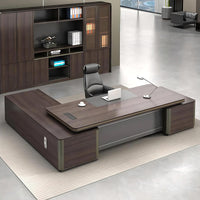
Modern Executive Desk 22-126 in Wide with Curved & Cable Management for Home Office
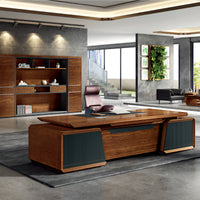
Modern Executive Desk 28-142 in Wide with Walnut for Home Office

Content Menu ● Why Choose Customizable Executive Desks? >> Enhancing Office Functionality >> Reflecting Personal and Corporate Style >> Supporting Productivity with Smart Features ● Key Factors to Consider When Choosing Executive Desks >> Understanding Your...
Oct 22, 2025
Content Menu ● Aesthetics and first impressions ● Durability and maintenance considerations ● Acoustics and collaboration ● Adaptability and modularity ● Maintenance routines and lifecycle ● Environmental impact and sustainability ● Cost considerations ● Use-case scenarios ● Customization and...
Oct 23, 2025
Content Menu ● The importance of ergonomics in conference environments ● Key ergonomic design principles ● Common table shapes and their ergonomic implications ● Materials matter: balance aesthetics, durability, and comfort ● Customization: tailoring tables...
Oct 23, 2025