Select a checkout option below
Your cart is currently empty.
Continue shopping
 kaguyasu
Content Menu
● Understanding Reception Desks
>> What is a Reception Desk?
>> Features of Reception Desks
>> Importance of Reception Desks in Your Office
● Understanding Workstations
>> What is a Workstation?
>> Features of Workstations
>> The Role of Workstations in Office Productivity
● Comparing Reception Desks and Workstations: Key Differences
● Which Office Needs a Reception Desk?
● Which Office Needs Workstations?
● Combining Both: When Your Office Needs Both
>> Benefits of Having Both
>> Tips for Integration
● Design Considerations for Reception Desks and Workstations
>> Materials and Durability
>> Space Optimization
>> Technology Integration
● Future Trends in Office Furniture: Reception Desks and Workstations
>> Smart Reception Desks
>> Flexible Workstations
● Frequently Asked Questions
In modern office design, choosing the right furniture plays a crucial role in both functionality and aesthetics. Two of the most essential types of office furniture are reception desks and workstations. Each serves a different purpose and caters to unique requirements. Deciding between reception desks and workstations depends on your office's layout, work culture, and daily operational needs. This article explores the key differences between reception desks and workstations and guides you on which one best suits your office environment.

Reception desks are the first point of contact for visitors entering an office. They create the initial impression and often reflect the company's brand and professionalism.
A reception desk is a specially designed piece of furniture located at the entrance or lobby of a workplace. Its primary function is to facilitate communication between visitors and staff, allowing receptionists or front desk personnel to manage appointments, answer inquiries, and organize security protocols. Reception desks typically feature a raised counter where visitors can comfortably approach, along with storage compartments to store office supplies, documents, and communication devices.
- Elevated counter space designed for standing or sitting visitors
- Secure storage options like drawers and lockable cabinets
- Professional design aligning with the company's branding
- Space for computer equipment, telephones, and visitor logs
- Comfortable legroom for reception staff
Reception desks are vital for:
- Creating a welcoming and professional atmosphere
- Providing an organized area for visitor registration
- Serving as a control point to monitor entry and exit
- Facilitating efficient communication between staff and guests
Workstations are dedicated spaces designed to support employees in completing their daily tasks efficiently. Unlike reception desks, workstations focus on productivity and individual work requirements.
A workstation is a modular or fixed desk area equipped with essentials such as computers, phones, and storage. Workstations allow employees to have their own defined workspace where they can focus and manage their duties without distractions. They come in various designs, including cubicles, open desks, or collaborative bench-style layouts.
- Personal desk space optimized for individual productivity
- Integrated storage solutions like drawers, shelves, and cabinets
- Areas for computer monitors, keyboards, and other tech devices
- Ergonomic design elements such as adjustable chairs and desks
- Sometimes include privacy panels or partitions to reduce interruptions
Workstations contribute to office success by:
- Providing employees with organized and personalized space
- Enhancing focus and reducing distractions
- Supporting collaboration when designed as open benches
- Enabling ergonomic comfort for long working hours
Choosing between reception desks and workstations depends on your office's specific needs. The differences between the two pieces of furniture are outlined below:
| Aspect | Reception Desks | Workstations |
|---|---|---|
| Primary Purpose | Welcome and assist visitors | Support employee work and productivity |
| Location | Entrance or lobby | Individual offices, open work areas |
| Design Focus | Professional, aesthetic, visitor-friendly | Functional, ergonomic, employee-focused |
| Features | Elevated counters, storage, communication tools | Personal desks, storage, ergonomic seating |
| Interaction Level | High with visitors | Varies depending on layout (private or open) |
| Privacy | Low – open and accessible | Varies – from private cubicles to open desks |
If your office frequently receives visitors, clients, or customers, having a reception desk is essential. It serves as a designated space for:
- Greeting and assisting guests warmly and professionally
- Managing visitor check-ins and appointments smoothly
- Providing a security checkpoint for controlled access
- Serving as a visual representation of your company's image
Offices such as law firms, medical clinics, corporate headquarters, and customer service centers benefit greatly from reception desks. The presence of an attractive and functional reception area can improve customer satisfaction and streamline front-desk operations.
Workstations are necessary for offices where employees require personal space and resources to perform focused work. Companies involved in IT, creative industries, marketing, or administrative services need workstations designed to accommodate:
- Personal computers and technological equipment
- Document storage and office supplies organized efficiently
- Ergonomic comfort to enhance employee well-being and productivity
- Options for collaborative setups or private cubicles based on team dynamics
If your workforce spends most of their day working independently or in small groups on detailed tasks, investing in good quality workstations is critical.
Many modern offices benefit from having both reception desks and workstations to fulfill different roles within the workspace.
- Clear distinction between public and private areas
- Smooth visitor management alongside efficient employee workflows
- Enhanced professionalism and organizational structure
- Flexibility to accommodate diverse office functions
- Position the reception desk near the main entrance for easy access
- Ensure workstations are arranged to optimize space and privacy
- Use design elements and furniture style to create visual harmony
- Plan for adequate lighting and ergonomic accessories for both areas
The right design can improve functionality and aesthetics. Key considerations include:
- Reception desks often use high-quality wood, glass, or metal finishes to look professional and withstand heavy use.
- Workstations prioritize durability with materials like laminate, metal frames, and ergonomic chair selections to support long daily use.
- Reception areas should allow enough room for visitors to comfortably approach and wait without congestion.
- Workstations need to be arranged efficiently to maximize space without sacrificing privacy or comfort.
- Both reception desks and workstations should incorporate cable management systems to keep wires organized.
- Integration of power outlets, charging stations, and communication devices helps keep the workflow seamless.
Modern offices are evolving with new trends influencing furniture choices.
- Equipped with digital check-in systems and interactive displays
- Integration with security cameras and access control
- Adjustable desks for sit-stand options
- Modular designs to quickly reconfigure office layouts

Q1: Can a receptionist work comfortably without a dedicated reception desk?
A1: While possible, a reception desk is designed to enhance comfort and efficiency by providing organized storage, a professional environment, and a space suited for visitor interaction.
Q2: Are workstations suitable for remote or hybrid office models?
A2: Yes, workstations can be adapted for hot-desking or flexible seating arrangements, supporting remote or hybrid work models effectively.
Q3: How can I choose the right size for a reception desk?
A3: Consider the number of reception staff, volume of visitors, and available lobby space. Ensure enough room for equipment and visitor interaction.
Q4: What is the ideal material for a workstation to promote durability?
A4: Materials like laminate tops with metal frames are popular for durability and cost-effectiveness, combined with ergonomic chairs to support long hours.
Q5: Is it better to have open or enclosed workstations?
A5: This depends on your office culture. Open workstations promote collaboration, while enclosed ones provide privacy and reduce noise distractions.
Hot Tags: China, Global, OEM, private label, manufacturers, factory, suppliers, manufacturing company

Leather Executive Office Chair with Genuine Leather, Solid Wood & Lumbar Support

Mesh Ergonomic Office Chair with Breathable Mesh & Lumbar Support for Executive Office
Bookcase Storage Cabinet 71 in Tall for Home Office
Curved Reception Desk 47-94 in Wide with Keyboard Tray, File Drawers & LED Lighting
Curved Reception Desk 63-142 in Wide with Keyboard Tray, File Drawers & Fluted Front
Curved Reception Desk 47-150 in Wide with LED Lighting, Keyboard Tray & File Drawers

Ergonomic Office Chair with Swivel, Curved & Dual-Tone for Home Office

Modern Executive Desk with Wireless Charging, Built-In Outlets & Side Storage

Modern Executive Desk 25-110 in Wide with Side Storage for Home Office

Modern Conference Table 59-91 in Wide (4.9-7.6 ft) with Built-In Outlets & Lumbar Support
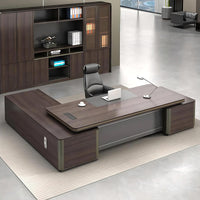
Modern Executive Desk 22-126 in Wide with Curved & Cable Management for Home Office
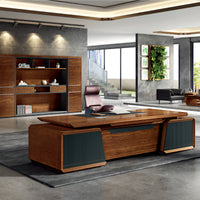
Modern Executive Desk 28-142 in Wide with Walnut for Home Office

Content Menu ● Understanding Reception Desk Roles and Importance ● Aesthetic Appeal and Style >> Curved Reception Desks: Modern & Inviting >> Traditional Straight Desks: Classic & Functional ● Functional Benefits and Ergonomics >> Curved Desks:...
Aug 10, 2025
Content Menu ● Understanding the Basics: L-Shaped and Straight Reception Desks >> What Is a Straight Reception Desk? >> What Is an L-Shaped Reception Desk? ● Space Utilization and Layout Considerations >> Optimizing Office Space...
Aug 07, 2025
Content Menu ● Understanding the Benefits of an L-Shaped Reception Desk >> What Makes L-Shaped Desks Popular? >> Space Efficiency and Layout Compatibility ● Key Factors to Consider When Choosing an L-Shaped Reception Desk...
Aug 07, 2025