Select a checkout option below
Your cart is currently empty.
Continue shopping
 kaguyasu
Content Menu
● Table of Contents
● Introduction: The Power of Interior Branding
● Understanding Your Brand Identity
>> Conducting a Brand Audit
● Principles of Interior Design for Offices
● Key Considerations for Office Sofa Selection
>> Size and Layout
>> Color and Brand Palette
>> Material and Texture
>> Comfort, Functionality, and Ergonomics
>> Durability and Maintenance
● Matching Sofas to Popular Brand Types
>> Modern and Innovative Brands
>> Classic and Professional Brands
>> Creative and Artistic Brands
>> Eco-friendly and Sustainable Brands
>> Tech-Driven Brands
● Integrating Sofas Within Your Overall Design Scheme
>> Reception Area Strategies
>> Collaboration and Breakout Spaces
>> Executive and Private Offices
● Practical Tips for Execution
● Frequently Asked Questions (FAQs)
>> 1. How do I choose the right color sofa for my brand?
>> 2. What materials work best for office sofas?
>> 3. How can sofas facilitate employee collaboration?
>> 4. Are custom sofas worth the investment?
>> 5. How do I maintain office sofas to keep them looking fresh?
Creating a workspace that reflects your brand is more than a trend—it's a business strategy. As the heart of your office, sofas may seem like a secondary detail, but they play a surprisingly influential role in shaping first impressions, supporting collaboration, and reinforcing your company values. In this comprehensive guide, discover how to select and match office sofas with your brand's interior design to communicate professionalism, foster employee satisfaction, and wow clients from the moment they walk in.

1. Introduction: The Power of Interior Branding
2. Understanding Your Brand Identity
3. Principles of Interior Design for Offices
4. Key Considerations for Office Sofa Selection
- Size and Layout
- Color and Brand Palette
- Material and Texture
- Comfort, Functionality, and Ergonomics
- Durability and Maintenance
5. Matching Sofas to Popular Brand Types
- Modern and Innovative Brands
- Classic and Professional Brands
- Creative and Artistic Brands
- Eco-friendly and Sustainable Brands
- Tech-Driven Brands
6. Integrating Sofas Within Your Overall Design Scheme
- Reception Area Strategies
- Collaboration and Breakout Spaces
- Executive and Private Offices
7. Practical Tips for Execution
8. Frequently Asked Questions (FAQs)
9. Word Count
10. Article Abstract
Branding doesn't stop at your website or business cards. A meticulously designed office portrays your corporate personality, values, and work culture—impacting employees and visitors alike. Every element, from the color on the walls to the choice of furniture, sends a message. Office sofas, in particular, are not just functional. They're a vital opportunity to translate brand ideals into physical, everyday experiences.
Before choosing any furniture, articulate your brand's essence. Is your company youthful and innovative or established and traditional? Outgoing and playful or restrained and authoritative? The right sofa should reflect these nuances.
- Mission & Values: Ask, "What do we stand for?" A sustainability-focused brand might opt for recycled or upcycled sofa materials.
- Target Audience: Who visits your office—startups, families, C-suite executives, artists?
- Color Schemes: Your logo, website, and marketing collateral probably already incorporate a color palette. Extending these colors into the interiors unifies the brand.
- Tone & Voice: Is your brand witty, daring, caring, or formal? Furniture choices can echo these tones.
List your brand's adjectives (e.g., dynamic, trustworthy, approachable) and match them to possible design choices:
- Dynamic: Bold shapes, bright colors
- Trustworthy: Classic forms, muted tones
- Approachable: Soft textures, rounded edges
Successful office interiors consider:
- Balance: Even distribution of visual weight, so no area feels too heavy or cluttered.
- Rhythm: Repetition or alternation of design elements to create flow and coherence.
- Emphasis: Drawing focus to certain objects—perhaps a signature sofa in the lobby.
- Harmony: All design features working together, avoiding jarring contrasts.
- Proportion: Ensuring furniture sizes fit the space and human use.
Apply these principles to your sofa selections to promote comfort, efficiency, and aesthetic appeal.
- Space Planning: Analyze how much space you have. A sprawling sectional can overwhelm a small room; a modest loveseat may look lost in a vast, open lobby.
- Configurable Solutions: Modular sofas or sectional seating offer flexibility, allowing adaptation to different needs and events.
- Traffic Flow: Ensure sofas do not block walkways or emergency exits.
- Use Brand Colors Thoughtfully: Too much of one color can overpower a room. Consider using brand shades as accents—in piping, cushions, or upholstery patterns.
- Contrast and Cohesion: Choose sofa colors that complement wall colors and other furnishings. For example, a navy sofa might pair well in a room with white, gray, or wood-toned features.
- Neutral Bases with Bold Accessories: If unsure, opt for neutral sofas (gray, beige, navy) with cushions or throws that pack a brand-appropriate punch.
- Leather: Exudes professionalism, lasts long, easy to clean, ideal for executive spaces.
- Fabric: Offers a warmer, more inviting look with endless color/pattern options. Suitable for creative or relaxed work environments.
- Sustainable Materials: Cork, bamboo fabric, recycled polyesters echo environmental responsibility.
- Texture Play: Mix textures—smooth leathers with nubby textiles or woven fabrics for visual interest.
- Support: Sofas should support productive posture, neither too soft nor too rigid.
- Accessibility: Consider height and depth—sofas should be comfortable for diverse users.
- Functionality: Built-in power outlets, USB charging ports, or adjustable backs add value.
- Multipurpose: Sleeper sofas or units with under-seat storage can maximize utility in small offices.
- High Traffic: Opt for commercial-grade upholstery rated for heavy use.
- Cleaning: Easy-to-clean, stain-resistant fabrics extend sofa lifespans.
- Maintenance Contracts: If budget allows, consider professional cleaning services for high-design, light-colored, or intricate fabrics.
- Furniture Features: Minimalist lines, bold or unexpected color pops, geometric shapes.
- Design Approach: Select modular seating arrangements, perhaps in monochromatic schemes with vibrant accent colors.
- Material Preference: Sleek leathers, powder-coated metals, glass or tech-laden side tables.
- Furniture Features: Tufted leather sofas, traditional shapes, dark wood accents.
- Design Approach: Neutral palettes (beige, navy, hunter green) with high-quality finishes.
- Material Preference: Rich leathers, polished wood legs; occasional metallic detailing for subtle luxury.
- Furniture Features: Asymmetric or curved lines, playful patterns, bespoke or reupholstered vintage sofas.
- Design Approach: Colorful or patterned upholstery, mismatched but complementary designs.
- Material Preference: Mixed media—wool, velvet, denim, with painted or reclaimed wood bases.
- Furniture Features: Simple, honest forms; exposed craftsmanship.
- Design Approach: Use natural tones—greens, browns, off-whites, blues—inspired by the environment.
- Material Preference: Recycled fabrics, bamboo, FSC-certified wood, organic cotton.
- Furniture Features: Modular, reconfigurable, built-in tech solutions (USB, wireless charging).
- Design Approach: Monochrome schemes with digital-inspired accent pieces (LED lighting, pixel printed pillows).
- Material Preference: Durable technical fabrics, mesh, high-density foam for ergonomic support.
Your office lobby is the first impression zone.
- Statement Sofas: Choose a design that surprises and delights—bold color, designer brand, or unconventional shape.
- Brand Integration: Place sofas beneath branded signage or against a feature wall matching your core palette.
- Practicality: Ensure adequate seating for peak visitor times, without crowding.
Support teamwork and casual conversation.
- Modular Sofas: Easily movable for impromptu meetings or solo work.
- Playful Arrangements: Curved, L-shaped, or U-shaped sofas encourage communication.
- Accessories: Pair with vibrant throw pillows, mobile whiteboards, or soft area rugs.
Balance comfort and authority.
- Executive Presence: Opt for streamlined, elegant sofas—think dark leather, minimal but plush.
- Personalization: Use subtle branded elements (metallic legs in your corporate color, monogrammed pillows).
- Functionality: Sleeper sofas can convert executive offices into privacy zones for rest or long hours.
- Prototype or Mood Boards: Before purchase, create digital or physical boards to visualize how sofa styles interact with the space.
- Involve Stakeholders: Consult with employees, especially those who'll use the space most frequently.
- Supplier Collaboration: Work with suppliers who can custom-build sofas in your preferred colors, fabrics, and sizes.
- Test Comfort: Arrange to see or sit on samples if possible before large orders.

Select sofa colors that harmonize with your established brand palette. Use your brand's primary colors as main sofa hues or as accents (through pillows or throws). Strive for balance; too much of one color can overwhelm a space, while subtle accents can reinforce branding without overpowering.
The ideal material depends on your priorities. Leather is professional, durable, and easy to maintain; fabric is softer, comes in endless colors, and offers a relaxed vibe. Sustainability-minded brands may want recycled or organic fabrics, while high-traffic areas call for stain-resistant or performance-rated upholstery.
Choose modular or sectional sofas that can be reconfigured for group meetings, brainstorming, or casual chats. Incorporate accessory furniture—side tables, mobile whiteboards, or ottomans—to enable flexible layouts that support creative teamwork.
Custom sofas offer precise alignment with your brand colors, dimensions, and needs. They ensure every piece fits your space and identity perfectly. However, custom pieces can be more expensive and require longer lead times. If your brand's visual consistency is crucial, the investment can pay off in elevated perception and usability.
Implement regular cleaning routines—vacuuming, wiping spills, and professional cleaning for deep stains. Choose upholstery resistant to wear and stains. Rotate upholstery where possible to distribute wear evenly and plan for periodic replacements or updates, especially in high-use areas.
Hot Tags: China, Global, OEM, private label, manufacturers, factory, suppliers, manufacturing company

Leather Executive Office Chair with Genuine Leather, Solid Wood & Lumbar Support

Mesh Ergonomic Office Chair with Breathable Mesh & Lumbar Support for Executive Office
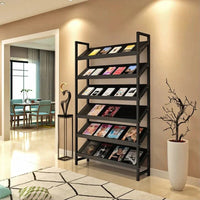
Bookcase Storage Cabinet 71 in Tall for Home Office
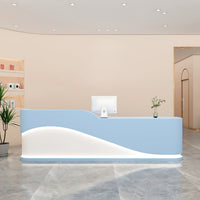
Curved Reception Desk 47-94 in Wide with Keyboard Tray, File Drawers & LED Lighting
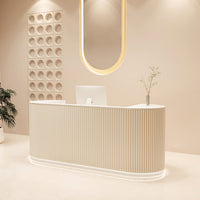
Curved Reception Desk 63-142 in Wide with Keyboard Tray, File Drawers & Fluted Front
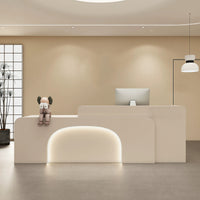
Curved Reception Desk 47-150 in Wide with LED Lighting, Keyboard Tray & File Drawers

Ergonomic Office Chair with Swivel, Curved & Dual-Tone for Home Office
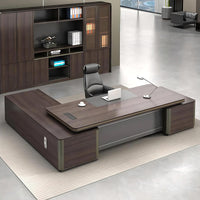
Modern Executive Desk 22-126 in Wide with Curved & Cable Management for Home Office
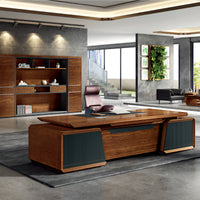
Modern Executive Desk 28-142 in Wide with Walnut for Home Office

Content Menu ● Understanding the Role of Office Sofas in Collaboration >> The Evolution of the Modern Office >> Why Collaborative Sofas Matter ● Key Features of the Best Office Sofas >> Ergonomic Excellence >> Modular...
Jul 23, 2025
Content Menu ● The Importance of Choosing the Right Office Sofa >> Creating a Strong First Impression >> Comfort and Function for High-Traffic Areas ● Features to Look for in Top-Rated Office Sofas >> Durability...
Jul 22, 2025
Content Menu ● The Growing Need for Dynamic Workspaces >> What Makes a Workspace Dynamic? ● Flexibility and Adaptability of Modular Office Sofas >> Reconfigurable Layouts for Varied Needs >> Scalability and Growth ● Ergonomic and...
Jul 21, 2025