Select a checkout option below
Your cart is currently empty.
Continue shopping
 kaguyasu
Content Menu
● Understanding Executive Desk Materials
>> The Role of Material in Desk Selection
● Wood Executive Desks: Classic Elegance and Strength
>> Types of Wood Used in Executive Desks
>> Advantages of Wooden Executive Desks
>> Disadvantages of Wooden Executive Desks
>> Ideal Uses for Wood Executive Desks
● Metal Executive Desks: Modern Durability and Industrial Style
>> Common Metals Used in Executive Desks
>> Advantages of Metal Executive Desks
>> Disadvantages of Metal Executive Desks
>> Best Applications for Metal Executive Desks
● Laminate Executive Desks: Affordable and Versatile
>> Types and Styles of Laminate Desks
>> Benefits of Laminate Executive Desks
>> Limitations of Laminate Executive Desks
>> Where Laminate Desks Shine
● Comparing Wood, Metal, and Laminate for Executive Desks
● Tips for Choosing the Right Executive Desk Material
>> Assess Your Office Environment
>> Prioritize Durability vs Appearance
>> Budget and Maintenance Commitment
● Caring for Executive Desks by Material
>> Wood Desk Care Tips
>> Metal Desk Maintenance
>> Laminate Desk Upkeep
● Conclusion: Which Material Is Best for You?
● Frequently Asked Questions (FAQs)
When choosing an executive desk, one of the most important decisions is selecting the right material. The material affects the desk's durability, appearance, maintenance, cost, and overall impression it makes in a professional office environment. The three most common materials for executive desks are wood, metal, and laminate. This article explores the advantages and disadvantages of each material to help you determine which is best suited for your needs.

Before delving into each material, it's essential to understand the role of an executive desk. Executive desks are typically larger, sturdier, and designed to make a statement of professionalism and authority. The material choice influences the desk's strength, style, and function.
Material impacts how the desk complements office decor, withstands wear, supports equipment, and requires upkeep over time. Executive desks often serve as the centerpiece of an office, so picking the right material aligns with both practical needs and aesthetic preferences.
Wood is traditionally the preferred choice for executive desks, admired for its beauty, durability, and timeless appeal.
- Solid Wood: Offers robust strength and premium aesthetics. Common types include oak, cherry, walnut, and mahogany.
- Veneer Wood: Thin layers of natural wood applied over engineered wood, providing the look of solid wood at a lower cost.
- Engineered Wood (MDF, Plywood): Provides stability and resistance to warping with a wood finish.
- Aesthetic Appeal: Wood's natural grain and rich textures make the desk visually impressive and warm.
- Durability: Solid wood desks can last for decades with proper care.
- Customization: Wood can be carved or finished with various stains and paints.
- Value Retention: High-quality wood desks can be a long-term investment.
- Cost: Solid wood desks are often expensive.
- Maintenance: Require regular polishing and protection from moisture or scratches.
- Weight: Wood desks tend to be heavy and harder to move.
Wood suits traditional and luxurious office settings, where longevity and elegance are key. They fit well in law firms, corporate offices, and executive suites.
Metal desks bring a contemporary aesthetic with high durability and minimal maintenance.
- Steel: Known for sturdiness and longevity.
- Aluminum: Lightweight yet strong, resistant to corrosion.
- Iron: Less common but gives an industrial and vintage vibe.
- Strength and Durability: Resistant to dents, pests, and heavy use.
- Low Maintenance: Easy to clean, less prone to staining or damage.
- Modern Look: Creates a sleek, professional environment.
- Fire Resistance: Metal does not combust easily.
- Cold Appearance: Metal can feel impersonal or less inviting.
- Noise: Metal surfaces may produce more sound when objects are placed or moved.
- Weight Variation: Steel is heavy; aluminum is lighter but less robust.
- Surface Damage: Can show scratches or dents over time.
Metal desks are ideal in high-use office environments, tech startups, creative workspaces, or industrial-themed offices where a modern or minimalistic style is desired.
Laminate desks consist of a particleboard or MDF core covered with a plastic laminate surface designed to mimic wood or other finishes.
- High-Pressure Laminate (HPL): Durable and scratch-resistant.
- Low-Pressure Laminate (LPL): More affordable but less durable.
- Available in various colors and faux wood grains.
- Cost-Effective: More affordable than wood or metal options.
- Variety: Wide range of designs, colors, and textures.
- Lightweight: Easier to move and rearrange.
- Low Maintenance: Resistant to stains and water damage.
- Durability: Less long-lasting; susceptible to chipping or peeling.
- Appearance: May lack the premium look of real wood or metal.
- Repair Difficulty: Once damaged, laminate is hard to fix seamlessly.
Laminate desks are perfectly suited for budget-conscious offices, temporary workspaces, or environments where flexibility and style variety are important.
| Feature | Wood | Metal | Laminate |
|---|---|---|---|
| Durability | High (solid wood) | Very high | Moderate |
| Appearance | Warm, classic | Sleek, modern | Versatile, varies |
| Maintenance | Regular polishing needed | Low | Very low |
| Cost | High | Moderate to high | Low |
| Weight | Heavy | Varies (steel heavier) | Light |
| Customization | High | Moderate | High |
| Repairability | Easier to repair | Difficult | Difficult |
| Environmental Impact | Depends on sourcing | Recyclable | Less eco-friendly |
Consider your office style, space, and usage patterns. Wood fits formal classic spaces, metal suits modern or industrial settings, and laminate works well in flexible or cost-sensitive offices.
If the desk will be heavily used, metal or solid wood might be preferable. For lighter use or visual impact, laminate may suffice.
Balance your budget with your willingness to maintain the desk. Wood requires care but lasts long; metal and laminate are easier but differ in longevity.
- Use coasters and desk pads to prevent stains and scratches.
- Polish regularly with wood-safe products.
- Avoid placing near direct sunlight or heat sources.
- Clean with mild soap and water.
- Protect from rust by keeping the desk dry.
- Avoid abrasive cleaners that may scratch the surface.
- Wipe spills immediately.
- Use gentle cleaners to avoid damaging laminate.
- Prevent sharp impacts to avoid chipping.
Choosing the right material for an executive desk depends on your style preferences, office conditions, budget, and how long you intend to use the desk. Wood offers timeless beauty and longevity but requires an investment and care. Metal brings modern strength and a sleek look with minimal upkeep. Laminate offers affordability and design flexibility but falls short in durability and premium feel. Evaluate your priorities carefully to select the desk that best fits your professional needs.

Q1: Can laminate desks mimic the appearance of real wood?
Yes, high-quality laminate desks can closely imitate wood grain and texture, offering a visually appealing alternative to real wood.
Q2: Are metal desks noisy to use?
Metal desks can be noisier when items are placed or moved compared to wood or laminate, but adding desk pads can reduce noise.
Q3: How long does a solid wood executive desk last?
With proper care, solid wood desks can last several decades, often being passed down as heirlooms.
Q4: Is metal more environmentally friendly than laminate or wood?
Metal is generally more recyclable, but sustainable sourcing of wood and eco-friendly laminate options are improving.
Q5: What is the easiest desk material to maintain?
Laminate desks require the least maintenance, followed by metal, while wood needs regular polishing and protection.
Hot Tags: China, Global, OEM, private label, manufacturers, factory, suppliers, manufacturing company

Leather Executive Office Chair with Genuine Leather, Solid Wood & Lumbar Support

Mesh Ergonomic Office Chair with Breathable Mesh & Lumbar Support for Executive Office
Bookcase Storage Cabinet 71 in Tall for Home Office
Curved Reception Desk 47-94 in Wide with Keyboard Tray, File Drawers & LED Lighting
Curved Reception Desk 63-142 in Wide with Keyboard Tray, File Drawers & Fluted Front
Curved Reception Desk 47-150 in Wide with LED Lighting, Keyboard Tray & File Drawers

Ergonomic Office Chair with Swivel, Curved & Dual-Tone for Home Office

Modern Executive Desk with Wireless Charging, Built-In Outlets & Side Storage

Modern Executive Desk 25-110 in Wide with Side Storage for Home Office

Modern Conference Table 59-91 in Wide (4.9-7.6 ft) with Built-In Outlets & Lumbar Support
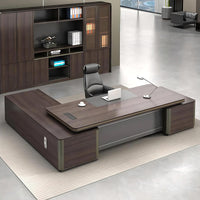
Modern Executive Desk 22-126 in Wide with Curved & Cable Management for Home Office
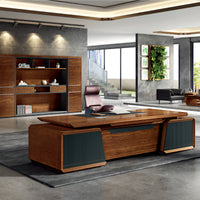
Modern Executive Desk 28-142 in Wide with Walnut for Home Office

Content Menu ● Understanding the Role of Executive Desks in Branding >> What is an Executive Desk? >> How Executive Desks Reflect Your Brand's Identity ● Key Features of Executive Desks That Boost Brand...
Oct 15, 2025
Content Menu ● Understanding Executive Desks >> What Defines an Executive Desk? >> Features of Executive Desks >> Benefits for Workflow ● Exploring Standing Desks >> Definition and Types of Standing Desks >> Key Features >> Advantages for...
Oct 15, 2025
Content Menu ● What Defines an Executive Desk? >> Key Characteristics of Executive Desks ● The Benefits of Investing in Executive Desks >> Boost in Productivity and Comfort >> Enhanced Company Image and Client Perception...
Sep 23, 2025