Select a checkout option below
Your cart is currently empty.
Continue shopping
 kaguyasu
Content Menu
● Understanding Executive Desks
>> What Defines an Executive Desk?
>> Features of Executive Desks
>> Benefits for Workflow
● Exploring Standing Desks
>> Definition and Types of Standing Desks
>> Key Features
>> Advantages for Workflow
● Workflow Impact Comparison
>> Ergonomics and Comfort
>>> Executive Desks and Ergonomics
>>> Standing Desks and Ergonomics
>> Productivity and Focus
>>> Productivity with Executive Desks
>>> Productivity with Standing Desks
>> Health Implications
>> Adaptability and Flexibility
● User Experience and Preferences
>> Ideal Users for Executive Desks
>> Ideal Users for Standing Desks
● Combining Both Desk Types for Optimal Workflow
● Installation and Cost Considerations
● Environmental and Design Considerations
● Frequently Asked Questions
Optimizing workspace ergonomics and workflow efficiency is essential in today's fast-paced professional environment. Choosing the right desk plays a critical role in productivity and health. Two popular options—executive desks and standing desks—offer distinct advantages and challenges. This article explores which desk type delivers better workflow by examining design, ergonomics, user experience, and productivity impact.

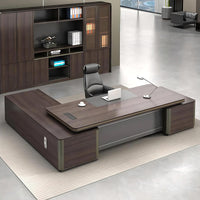
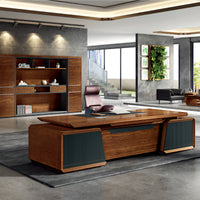
Executive desks are traditionally large, imposing pieces of office furniture designed to convey authority and status. They often feature spacious surfaces, multiple drawers, and classic wood finishes that cater to executives or senior management offices.
- Broad work surfaces for multitasking
- Extensive storage options with cabinets and drawers
- Solid, heavyweight construction for durability
- Classic or luxury aesthetic appeal
Executive desks facilitate workflow by offering ample space for organizing documents, computers, and office accessories. Their traditional design supports seated, focused work styles with easy access to materials.
Standing desks allow users to work while standing, which can be either fixed height or adjustable. Adjustable standing desks (sit-stand desks) enable switching between sitting and standing postures throughout the day.
- Height adjustability to accommodate sitting and standing
- Modern designs optimized for ergonomics
- Often equipped with cable management and minimalistic surfaces
- Lightweight materials for easier repositioning
Standing desks promote movement, reduce sedentary time, and can improve energy levels and alertness. They may help prevent physical discomfort associated with prolonged sitting.
Executive desks support ergonomic comfort with spacious surfaces and traditional chairs. However, prolonged sitting without posture changes can cause fatigue, back pain, and decreased circulation.
Standing desks encourage posture variation and movement. Adjustable models allow users to alternate between sit and stand, reducing musculoskeletal strain and increasing circulation.
The broad surface and storage of executive desks help maintain an organized work environment. This minimizes distractions and supports deep focus on complex tasks.
Standing desks can enhance concentration through increased blood flow and reduced lethargy. However, standing fatigue if unmanaged may hinder prolonged periods of intense work.
Sitting for extended periods has documented health risks, including cardiovascular disease and obesity. Standing desks combat these risks by promoting more physical activity during the workday.
Standing desks offer superior adaptability with height adjustments suited to different users and tasks. Executive desks are generally static in height, limiting posture variation without additional ergonomic chairs or accessories.
- Professionals valuing traditional aesthetics
- Users focused on seated, document-intensive work
- Offices emphasizing status or formal environments
- Users seeking active work postures and health benefits
- Dynamic work environments with task variation
- Individuals prone to back pain or posture issues
Many offices are adopting hybrid solutions by pairing executive or executive-style desks with sit-stand converters or adjustable height features, blending classic style with ergonomic benefits.
Executive desks often require significant space and investment for quality materials. Standing desks, particularly adjustable models, range widely in cost but may have a higher entry price due to mechanical components.
Executive desks often use traditional hardwoods or veneers, which may impact sustainability. Modern standing desks frequently incorporate eco-friendly materials and minimalist designs that fit contemporary office aesthetics.

Q1: Can standing desks improve productivity compared to executive desks?
A1: Standing desks can improve productivity by increasing alertness and reducing fatigue, but the impact depends on individual work styles and proper ergonomic use.
Q2: Are standing desks suitable for long hours of work?
A2: Adjustable standing desks that allow alternating between sitting and standing are best for long hours, as continuous standing can cause fatigue.
Q3: Which desk type is better for health?
A3: Standing desks are generally better for health as they encourage movement and reduce risks associated with prolonged sitting.
Q4: Can executive desks be combined with standing desk accessories?
A4: Yes, executive desks can be paired with sit-stand desk converters or chairs with adjustable features to enhance ergonomic benefits.
Q5: What factors should I consider when choosing between these desks?
A5: Consider workflow type, health needs, budget, office space, and aesthetic preferences when choosing the right desk to optimize productivity and comfort.
Hot Tags: China, Global, OEM, private label, manufacturers, factory, suppliers, manufacturing company

Leather Executive Office Chair with Genuine Leather, Solid Wood & Lumbar Support

Mesh Ergonomic Office Chair with Breathable Mesh & Lumbar Support for Executive Office
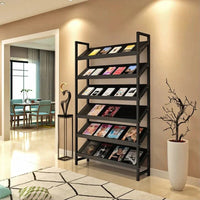
Bookcase Storage Cabinet 71 in Tall for Home Office
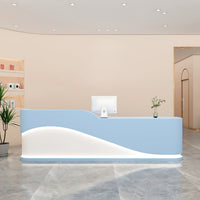
Curved Reception Desk 47-94 in Wide with Keyboard Tray, File Drawers & LED Lighting
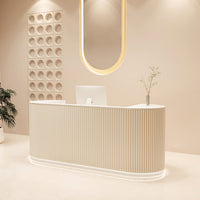
Curved Reception Desk 63-142 in Wide with Keyboard Tray, File Drawers & Fluted Front
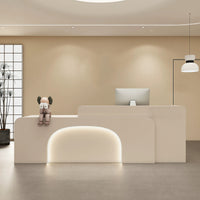
Curved Reception Desk 47-150 in Wide with LED Lighting, Keyboard Tray & File Drawers

Ergonomic Office Chair with Swivel, Curved & Dual-Tone for Home Office

Modern Executive Desk with Wireless Charging, Built-In Outlets & Side Storage

Modern Executive Desk 25-110 in Wide with Side Storage for Home Office

Modern Conference Table 59-91 in Wide (4.9-7.6 ft) with Built-In Outlets & Lumbar Support
Modern Executive Desk 22-126 in Wide with Curved & Cable Management for Home Office
Modern Executive Desk 28-142 in Wide with Walnut for Home Office

Content Menu ● The Importance of Choosing the Right Executive Desk >> Enhancing Productivity Through Design >> Projecting Professional Presence ● Criteria for Selecting Executive Desks >> Material and Build Quality >> Size and Configuration >> Storage...
Sep 21, 2025
Content Menu ● Understanding the Importance of Executive Desks >> Why Executive Desks Matter in Corporate Offices >> Key Functions of Executive Desks ● Styles of Executive Desks for Corporate Settings >> Traditional Executive Desks...
Sep 18, 2025
Content Menu ● Understanding the Purpose of Executive Desks >> The Role of Executive Desks in Professional Settings ● Design and Size Differences >> Larger Surface Area >> Sophisticated and Elegant Design >> More Storage Options...
Sep 18, 2025