
My office
Your cart (0)
Your cart is ready for a fresh start.
Explore office furniture designed for focused, comfortable work.
Continue shoppingMy office
Explore office furniture designed for focused, comfortable work.
Continue shoppingContent Menu
● Understanding Your Needs Before Buying
>> Assessing Office Space and Usage
>> Mistake #1: Ignoring the Office Layout and Space Constraints
● Prioritizing Comfort and Ergonomics
>> Importance of Comfort in Office Seating
>> Mistake #2: Choosing Style Over Comfort
● Selecting the Right Material and Fabric
>> Durability and Maintenance Considerations
>> Mistake #3: Overlooking Material Suitability
● Considering Build Quality and Frame Construction
>> What Makes a Sofa Durable?
>> Mistake #4: Ignoring the Build Quality and Warranty
● Matching Your Office Style and Brand Image
>> Importance of Cohesive Interior Design
>> Mistake #5: Disregarding Style Consistency in the Workspace
● Practical Tips for Buying the Perfect Office Sofa
>> Set a Realistic Budget
>> Test in Person Whenever Possible
>> Request Fabric Samples
>> Read Reviews and Seek Recommendations
>> Plan Delivery and Assembly
● Frequently Asked Questions (FAQs)
>> 1. How often should office sofas be replaced?
>> 2. Which fabric is best for high-traffic office areas?
>> 3. Are modular sofas suitable for offices?
>> 4. What size sofa should I choose for a small reception area?
>> 5. How important is warranty coverage on office sofas?
When outfitting an office space, the right sofa can significantly impact both the atmosphere and functionality of the environment. An office sofa is not just a piece of furniture—it embodies comfort, style, and professionalism, serving as a welcome spot for clients and employees alike. However, many businesses make avoidable mistakes during the purchase process that compromise quality, durability, and aesthetics.
In this detailed guide, we will explore the top five mistakes to avoid when buying office sofas. Understanding these common pitfalls will help you make a well-informed decision, ensuring that your investment pays off in both comfort and longevity.

Before diving into the vast market of office sofas, it's essential to start with a clear understanding of your office space and how the sofa will be used.
Measure the available area carefully. Overestimating or underestimating the size can lead to problems later, such as oversized sofas that crowd the room or tiny sofas that look out of place. Also, consider the room layout and traffic flow — the sofa should complement the space without obstructing pathways.
Think about the intended use. Will the sofa be for a casual waiting area, a formal reception, or employee lounge? This will help dictate style and fabric choices that best suit the purpose.
Many buyers fall into the trap of focusing only on style or price and overlook how the sofa fits into their office's spatial dynamics. The result can be an uncomfortable or awkward setup that diminishes the office's overall functionality.
Since office sofas often serve as places for waiting, casual meetings, or brief work breaks, comfort is paramount. Uncomfortable seating can leave visitors with a negative impression and employees feeling dissatisfied.
To evaluate comfort, consider the sofa's cushioning, support, seat height, and backrest. A sofa that is too low or too stiff can cause discomfort, while one that is too soft may lack the necessary support, leading to poor posture.
It is tempting to choose the trendiest or most visually appealing sofa, but sacrificing comfort can undermine its purpose. Always test sofas in person if possible, sit on them, and assess how comfortable they feel for extended periods.
Office sofas endure heavy use, so the fabric should be durable and easy to maintain. Common materials include leather, faux leather, polyester, and various woven fabrics.
Leather and faux leather are popular for their easy cleaning and professional appearance but can be more expensive and less breathable. Synthetic fabrics, such as polyester blends, usually offer a wide range of colors and patterns and tend to be stain-resistant.
Think about cleaning routines and potential spills or stains typical to your office environment. Some fabrics may require special treatments or professional cleaning.
Choosing a fabric only based on appearance without considering durability can lead to rapid wear and tear. Frequent replacements become costly and inconvenient. It's crucial to balance aesthetics with practicality.
The sofa's frame determines its longevity. Hardwood frames like oak, beech, or maple are highly durable and preferred for office furniture. Sofas with frames made of particleboard or softwood tend to weaken quickly over time.
Besides the frame, check the joining methods—screws, nails, and corner blocks contribute to sturdiness. The type of suspension system, such as sinuous springs or webbing, also affects comfort and durability.
Price may be a deciding factor, but compromising build quality to save money can backfire with early damage or discomfort. Also, many reputable manufacturers provide warranties that protect your investment. Avoid buying sofas without warranty coverage.
Your office sofa plays a role in communicating your brand's personality. The style, color, and design should harmonize with the overall interior decor to create a welcoming and professional atmosphere.
For instance, minimalist modern offices benefit from sleek, low-profile sofas, while more traditional workplaces might opt for classic tufted options. That alignment reinforces your company's image and enhances visitor impressions.
A sofa that clashes with your office's design can create visual discord and make the space feel uninviting. Carefully consider color palettes, textures, and style trends within your office before choosing a sofa.
Having a clear budget helps narrow your choices but avoid going too low at the expense of quality. Look for the best value within your price range.
Sit, lie back, and evaluate sofas physically. Photos can be deceiving.
Understanding fabric texture and color in your own lighting can prevent disappointment.
Feedback from other buyers offers insights on comfort and durability.
Make sure the sofa can be delivered and installed in your office without hassle.
Office sofas exposed to heavy daily use generally last between 5 to 10 years, depending on quality and maintenance.
Durable synthetic fabrics or leather are excellent for high-traffic areas because they resist stains and are easy to clean.
Yes, modular sofas offer flexibility in layout and can be reconfigured for different spaces and team sizes.
Compact two-seaters or loveseats generally work best in small spaces, allowing room for circulation.
Warranty coverage is crucial as it protects you against manufacturing defects and premature wear, ensuring your investment is secure.
Hot Tags: China, Global, OEM, private label, manufacturers, factory, suppliers, manufacturing company

Leather Executive Office Chair with Genuine Leather, Solid Wood & Lumbar Support

Mesh Ergonomic Office Chair with Breathable Mesh & Lumbar Support for Executive Office
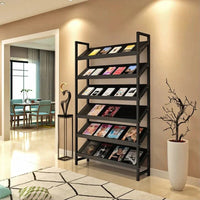
Bookcase Storage Cabinet 71 in Tall for Home Office
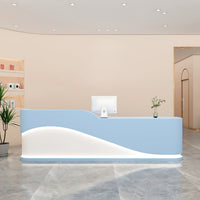
Curved Reception Desk 47-94 in Wide with Keyboard Tray, File Drawers & LED Lighting
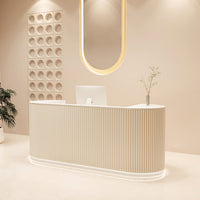
Curved Reception Desk 63-142 in Wide with Keyboard Tray, File Drawers & Fluted Front
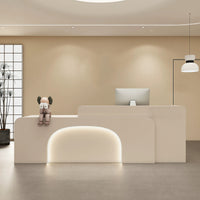
Curved Reception Desk 47-150 in Wide with LED Lighting, Keyboard Tray & File Drawers

Ergonomic Office Chair with Swivel, Curved & Dual-Tone for Home Office

Modern Executive Desk 25-110 in Wide with Side Storage for Home Office
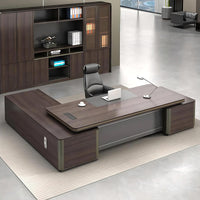
Modern Executive Desk 22-126 in Wide with Curved & Cable Management for Home Office
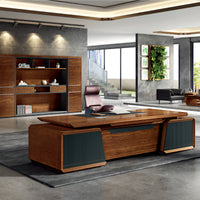
Modern Executive Desk 28-142 in Wide with Walnut for Home Office

Content Menu ● The Evolution of Office Design >> From Cubicles to Open Spaces >> Emphasis on Creativity and Collaboration ● The Functionality of Office Sofas in Modern Workspaces >> Comfortable Collaboration Zones >> Versatile Seating...
Aug 28, 2025
Content Menu ● Understanding the Role of Sofas in Co-Working Spaces >> The Importance of Comfortable Seating in Co-Working Areas >> Sofas as Multifunctional Furniture Pieces ● Key Features of an Ideal Office Sofa...
Aug 27, 2025
Content Menu ● Understanding Ergonomics and Its Importance for Office Sofas >> What Is Ergonomics? >> Why Ergonomics Matter for Office Sofas ● Key Features of Ergonomic Office Sofas >> Supportive Frame and Structure >> Cushioning...
Aug 27, 2025