
My office
Your cart (0)
Your cart is ready for a fresh start.
Explore office furniture designed for focused, comfortable work.
Continue shoppingMy office
Explore office furniture designed for focused, comfortable work.
Continue shoppingContent Menu
● The Evolution of Office Design
>> From Cubicles to Open Spaces
>> Emphasis on Creativity and Collaboration
● The Functionality of Office Sofas in Modern Workspaces
>> Comfortable Collaboration Zones
>> Versatile Seating Options
>> Informal Social Interaction
● The Psychological Impact of Office Sofas
>> Enhancing Employee Well-Being
>> Encouraging Creativity and Spontaneity
● Design Considerations for Office Sofas
>> Choosing the Right Style and Material
>> Functional Features
>> Spatial Planning
● Office Sofas as Tools for Inclusivity and Diversity
● Enhancing Corporate Culture Through Office Sofas
>> Promoting Informal Leadership and Mentorship
>> Creating a Brand Experience
● Challenges and Solutions
>> Balancing Openness and Privacy
>> Maintenance and Cleanliness
>> Ergonomics and Health Considerations
● The Future of Office Sofas in Workspaces
>> Smart Furniture Integration
>> Sustainability and Eco-Friendly Choices
>> Customization and Personalization
● Conclusion
● Frequently Asked Questions
In recent years, the design of office environments has undergone a significant transformation. Traditional cubicles and closed-off offices are increasingly giving way to creative and open-plan workspaces that aim to foster collaboration, innovation, and employee well-being. A key element that has gained popularity in these environments is the office sofa. Far from being a mere piece of furniture, office sofas have become integral to the functionality, aesthetics, and culture of modern workspaces. This article explores the multifaceted role of office sofas in creative and open-plan environments, examining their impact on employee productivity, social interaction, design flexibility, and overall workplace experience.

Traditionally, office spaces were designed to maximize individual productivity through closed, isolated work areas. The cubicle—ubiquitous in the late 20th century—offered privacy but often limited communication and collaboration among coworkers. However, modern companies have shifted towards open-plan layouts that encourage interaction and teamwork. These spaces are usually characterized by minimal partitions, flexible seating, and zones specifically created for informal meetings.
Creative industries, in particular, have embraced open-plan designs to stimulate spontaneous dialogue and idea sharing. Such environments demand not only flexible desk arrangements but also communal areas where employees can feel comfortable and inspired to engage with their colleagues.
Office sofas serve as comfortable hubs for collaboration, replacing formal meeting rooms or traditional conference tables. Sofas naturally encourage a more relaxed posture, which can help reduce tension during brainstorming sessions or informal discussions. This comfort often leads to more open communication and creative thinking.
Unlike fixed chairs or desks, sofas can be easily integrated into various parts of an office, including lounges, reception areas, and breakout rooms. Their adaptability makes them vital for accommodating different work styles—whether an employee is engaging in solo work, informal meetings, or group projects.
Sofas facilitate casual social interactions that happen outside structured meetings. Working in close proximity on a sofa can help build stronger interpersonal relationships, which are important for team cohesion and morale. The comfortable, inviting nature of sofas encourages employees to take breaks and recharge, which can ultimately improve productivity.
Comfortable seating contributes significantly to employee well-being. Sofas provide a place where employees can rest their backs and change their posture, which is essential for physical health during long working hours. A comfortable and aesthetically pleasing environment also contributes to mental well-being, reducing stress and boosting mood.
Creative thinking often requires a change in mindset or environment. Sofas in open-plan spaces offer a neutral and relaxed atmosphere that helps break the formality typical of workstations. Employees are more likely to feel free to express unconventional ideas or take creative risks when seated on a plush sofa rather than a rigid desk chair.
The aesthetic qualities of office sofas play a vital role in defining a workspace's character. Depending on the company's brand identity and culture, sofas can range from sleek and minimalist designs to colorful and playful styles. Materials such as leather, fabric, or synthetic blends influence comfort, maintenance, and durability.
Modern office sofas come with features that enhance their functionality, such as modular designs that can be rearranged, built-in power outlets for devices, or integrated storage. These additions make sofas not only comfortable but also highly practical in a technology-driven office.
Placing sofas strategically within open-plan areas is critical. They should neither obstruct movement nor isolate workers. Ideal locations include near windows, central collaborative zones, or adjacent to refreshment areas, where the sofa encourages natural gathering points without creating bottlenecks or distractions.
Open-plan spaces can sometimes challenge inclusivity by causing sensory overload or lack of privacy. Sofas provide a semi-private setting where employees from diverse backgrounds or with different working preferences can find comfort and focus. Soft furnishings can also reflect cultural diversity through patterns, textures, and colors.
Office sofas foster opportunities for informal mentorship, as senior staff and new employees can have unguarded conversations in a relaxed setting. This openness helps flatten hierarchical barriers and nurtures a more inclusive and supportive corporate culture.
The choice of office sofas is part of an organization's branding efforts. A creatively designed seating area can convey core values such as innovation, openness, and employee-centric approaches. Visitors and employees alike can experience a tangible connection to the company's ethos through thoughtfully chosen and arranged sofas.
A common challenge with open-plan workspaces is balancing collaboration with the need for private, focused work. While sofas encourage social interaction, excessive noise or distraction can harm productivity. Solutions include using sofas in conjunction with sound-absorbing materials or placing them in specific zones away from quiet workstations.
Sofas require regular cleaning and upkeep, especially in high-traffic areas. Selecting stain-resistant materials and ensuring routine maintenance programs can address hygienic concerns, keeping sofas inviting and well-maintained.
Not all sofas provide adequate ergonomic support for prolonged sitting. It's important to complement sofas with ergonomic chairs or adjustable workstations to support employee health.
Technology is transforming sofas into multifunctional furniture pieces. Embedded sensors that monitor posture or alert users to take breaks, wireless charging stations, and built-in speakers for enhanced audio experiences are all possible enhancements that will redefine sofas' roles.
Sustainable materials and eco-friendly manufacturing processes are becoming increasingly important in furniture choices. Office sofas made with recycled fabrics, natural fibers, and low-impact dyes support corporate social responsibility initiatives and reduce environmental footprints.
Future office sofas may offer customizable components to suit individual needs or team purposes. Modular designs and smart fabrics that adjust firmness and temperature are innovations on the horizon.
Office sofas play a vital role in creative and open-plan workspaces. Beyond mere furniture, they are dynamic tools that foster collaboration, creativity, and well-being. By carefully considering design, placement, functionality, and maintenance, organizations can maximize the benefits of office sofas to enhance their workplace environment. As offices continue to evolve, the humble sofa will remain a central feature in creating spaces where people feel comfortable, connected, and inspired.

Q1: Why are office sofas important in open-plan workspaces?
A1: Office sofas provide comfortable, informal seating that encourages collaboration, social interaction, and creative thinking, helping to break down the barriers often found in open-plan offices.
Q2: What design features should be considered when selecting office sofas?
A2: Important features include comfort, material durability, modularity, aesthetic alignment with company culture, and added functionalities such as power outlets and storage.
Q3: How do office sofas impact employee well-being?
A3: Sofas contribute to physical comfort by providing varied seating options, reduce stress by offering a relaxing environment, and boost morale by encouraging social breaks and informal engagement.
Q4: Can office sofas help with inclusivity?
A4: Yes, they create semi-private spaces that accommodate different working styles and sensitivities, fostering a more inclusive atmosphere in open-plan offices.
Q5: What are some challenges of incorporating sofas in workspaces?
A5: Challenges include balancing noise and privacy needs, ensuring regular maintenance, and addressing ergonomic support to prevent discomfort during long use periods.
Hot Tags: China, Global, OEM, private label, manufacturers, factory, suppliers, manufacturing company

Leather Executive Office Chair with Genuine Leather, Solid Wood & Lumbar Support

Mesh Ergonomic Office Chair with Breathable Mesh & Lumbar Support for Executive Office
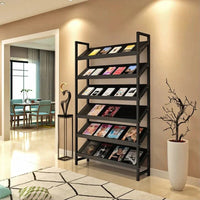
Bookcase Storage Cabinet 71 in Tall for Home Office
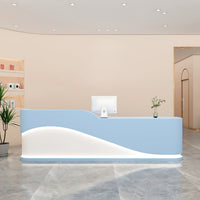
Curved Reception Desk 47-94 in Wide with Keyboard Tray, File Drawers & LED Lighting
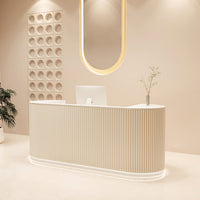
Curved Reception Desk 63-142 in Wide with Keyboard Tray, File Drawers & Fluted Front
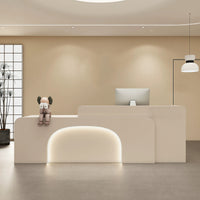
Curved Reception Desk 47-150 in Wide with LED Lighting, Keyboard Tray & File Drawers

Ergonomic Office Chair with Swivel, Curved & Dual-Tone for Home Office

Modern Executive Desk 25-110 in Wide with Side Storage for Home Office
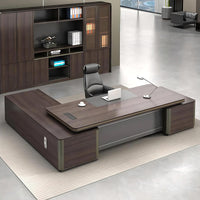
Modern Executive Desk 22-126 in Wide with Curved & Cable Management for Home Office
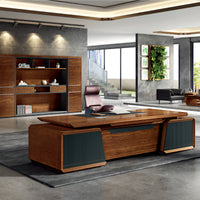
Modern Executive Desk 28-142 in Wide with Walnut for Home Office

Content Menu ● Table of Contents ● Introduction: The Power of Interior Branding ● Understanding Your Brand Identity >> Conducting a Brand Audit ● Principles of Interior Design for Offices ● Key Considerations for Office Sofa...
Jul 23, 2025
Content Menu ● Understanding the Role of Office Sofas in Collaboration >> The Evolution of the Modern Office >> Why Collaborative Sofas Matter ● Key Features of the Best Office Sofas >> Ergonomic Excellence >> Modular...
Jul 23, 2025
Content Menu ● The Importance of Choosing the Right Office Sofa >> Creating a Strong First Impression >> Comfort and Function for High-Traffic Areas ● Features to Look for in Top-Rated Office Sofas >> Durability...
Jul 22, 2025