
My office
Your cart (0)
Your cart is ready for a fresh start.
Explore office furniture designed for focused, comfortable work.
Continue shoppingMy office
Explore office furniture designed for focused, comfortable work.
Continue shoppingContent Menu
● Understanding Ergonomics and Its Importance for Office Sofas
>> What Is Ergonomics?
>> Why Ergonomics Matter for Office Sofas
● Key Features of Ergonomic Office Sofas
>> Supportive Frame and Structure
>> Cushioning and Padding
>> Seat Depth and Height
>> Backrest Design
>> Armrests
● Choosing the Right Material for Ergonomic Office Sofas
>> Upholstery: Fabric vs. Leather
>> Foam and Padding Components
>> Frame Material and Construction
● Design Considerations for Long Hours of Use
>> Modular and Adjustable Features
>> Size and Space Planning
>> Style and Aesthetic Balance
>> Ease of Cleaning and Maintenance
● Health Benefits of Using Ergonomic Office Sofas
>> Reducing Musculoskeletal Problems
>> Enhancing Circulation and Reducing Fatigue
>> Encouraging Movement and Posture Changes
● Tips for Maintaining Ergonomic Office Sofas
>> Regular Cleaning
>> Inspect and Tighten
>> Cushion Fluffing and Rotation
>> Using Sofa Covers
● Budgeting for Quality Ergonomic Office Sofas
>> Balancing Cost and Value
>> Warranty and After-Sales Service
>> Where to Buy
● Frequently Asked Questions (FAQs)
>> 1. How is an ergonomic office sofa different from a regular office sofa?
>> 2. Can an ergonomic office sofa replace an office chair?
>> 3. What materials are best for an office sofa that will be used for long hours?
>> 4. How often should office sofas be cleaned and maintained?
>> 5. Are adjustable features important in an ergonomic office sofa?
Creating a comfortable and productive workspace is essential for anyone who spends extended hours at the office. While much attention is given to office chairs and desks, ergonomic office sofas are often overlooked despite their potential to greatly enhance comfort and wellbeing. An ergonomic sofa designed for office use can be a key asset, offering a relaxing yet supportive seating option where employees can take breaks, hold informal meetings, or work in a more casual setting. This article will guide you through the process of choosing ergonomic office sofas that support long hours of use by exploring crucial factors, materials, design features, and maintenance tips.

Ergonomics is the science of designing furniture and environments that maximize comfort, efficiency, and safety, responding to the body's natural posture and movements. When applied to office sofas, it means selecting seating that promotes good posture while offering comfort, reducing strain on the back, neck, and hips during long periods of sitting.
Most people think of ergonomics strictly in terms of office chairs, but sofas can also impact physical health and productivity. Poorly designed sofas may encourage slouching or awkward body positioning, leading to discomfort, fatigue, and even long-term musculoskeletal issues. An ergonomic office sofa supports natural spinal alignment, distributes body weight evenly, and minimises pressure points, making it easier for users to enjoy comfort without compromising their posture.
The foundation of an ergonomic sofa is a strong, well-constructed frame. High-quality materials like hardwood or metal ensure durability and stability. Moreover, the frame must be designed to support the natural curves of the body. For office use, consider sofas with built-in lumbar support features or adjustable elements.
Comfortable cushioning is critical but should not be too soft or too firm. Memory foam or high-density foam are ideal because they conform to body contours and provide adequate support. Sofas with multiple layers of padding, including a top layer for softness and a denser base for support, tend to be the best.
Proper seat depth allows users to sit with their backs firmly against the backrest while keeping their feet flat on the floor. A seat that is too deep makes sitting upright difficult, while one that is shallow may cause pressure under the thighs. Office sofas should typically have a seat depth between 18 and 22 inches with a height of around 16 to 18 inches for most adults.
The backrest should encourage a natural lumbar curve and provide support without restricting movement. Some ergonomic office sofas incorporate adjustable or reclining backrests that allow users to find their optimal sitting position. A slightly angled backrest between 100 and 110 degrees from the seat is generally comfortable for long usage.
Armrests reduce strain on shoulders and neck by supporting the arms. Ergonomic sofas often have padded, adjustable, or contoured armrests to enhance comfort. The height and distance of armrests from the seat should accommodate a natural resting position for the arms without forcing the user to reach too high or too low.
- Fabric: Breathable, offering better airflow, making it comfortable for prolonged sitting. It comes in a variety of colors and patterns but can be more susceptible to stains.
- Leather: Durable, easy to clean, and adds a professional look. However, leather may feel hot or sticky in warm environments and cold in cooler spaces without proper climate control.
High-resilience foam typically provides a good balance of comfort and support over extended use. Memory foam molds to body shapes, reducing pressure points but can retain heat. Some sofas include gel-infused foam that helps with temperature regulation.
For prolonged use, a sturdy frame made of kiln-dried hardwood or reinforced metal is preferable due to its durability. Avoid sofas with particleboard or low-grade materials that may warp or degrade quickly.
Modularity allows the sofa to be reconfigured based on office layout or individual needs, which provides flexibility in usage. Adjustable headrests, armrests, or recliners can enhance ergonomic benefits by allowing personalized comfort.
Choosing a sofa that fits the available office space while allowing for easy movement is essential. Too large a sofa crowding the area can reduce comfort, while a too-small sofa may not offer adequate support or space.
While ergonomics is a priority, the sofa should complement the office environment's aesthetic. Sleek, modern designs can foster a professional atmosphere, while more casual styles may suit creative spaces.
Sofas in office environments are prone to spills and dirt. Choose materials and finishes that are easy to clean and maintain to ensure longevity and hygiene.
Proper support from ergonomic sofas alleviates undue stress on the spine and joints, reducing the risk of developing back pain, neck stiffness, and other musculoskeletal complaints.
A comfortable sitting position helps promote good blood circulation, which is critical for preventing fatigue and discomfort during extended sitting periods.
Ergonomic sofas often encourage users to shift and change posture comfortably, which is healthier than remaining rigid or slouched.
Vacuum fabric surfaces weekly and wipe leather sofas with a damp cloth using appropriate cleaning products. Regular cleaning prevents dust, allergens, and stains from accumulating.
Periodically check the sofa's frame, legs, and joints for any looseness or damage and tighten screws or bolts to maintain structural integrity.
Fluff cushions to prevent them from becoming flat and rotate them regularly to ensure even wear.
Using washable sofa covers can protect upholstery from daily wear and tear, especially in high-traffic office areas.
High-quality ergonomic office sofas may require a higher upfront investment but typically offer superior comfort, durability, and health benefits, saving money in the long run by reducing employee discomfort and replacement costs.
Choose sofas with a good warranty and responsive customer service to ensure protection against defects and assistance if issues arise.
Specialty ergonomic furniture stores, office supply companies, and reputable online retailers often offer options tailored for office use.

An ergonomic office sofa is specifically designed to support the body's natural posture, providing better lumbar support, appropriate seat depth, and cushioning that reduces strain during long-term sitting, unlike regular sofas that prioritize aesthetics or casual comfort.
While ergonomic sofas add variety to office seating and provide excellent comfort for breaks or informal meetings, they generally do not offer the adjustable features and support required for prolonged desk work, so they complement rather than replace office chairs.
Breathable, durable upholstery materials such as high-quality fabric or treated leather paired with high-density or memory foam cushions and a sturdy hardwood or metal frame are best for comfort and longevity.
Ideally, clean fabric sofas weekly with a vacuum and spot clean as necessary; leather sofas should be wiped down at least once a week. Structural maintenance should be done every few months to check for damage and tighten hardware.
Yes, adjustable features like reclining backrests, movable armrests, and modular configurations allow users to customize seating to their individual comfort needs, which is crucial for supporting long hours of use.
Hot Tags: China, Global, OEM, private label, manufacturers, factory, suppliers, manufacturing company

Leather Executive Office Chair with Genuine Leather, Solid Wood & Lumbar Support

Mesh Ergonomic Office Chair with Breathable Mesh & Lumbar Support for Executive Office
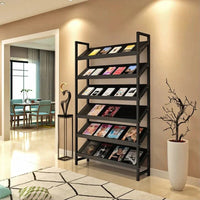
Bookcase Storage Cabinet 71 in Tall for Home Office
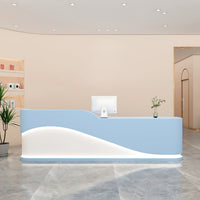
Curved Reception Desk 47-94 in Wide with Keyboard Tray, File Drawers & LED Lighting
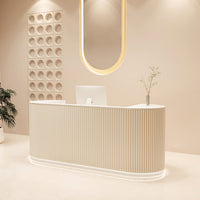
Curved Reception Desk 63-142 in Wide with Keyboard Tray, File Drawers & Fluted Front
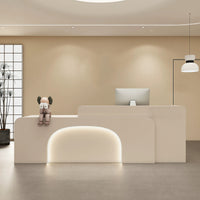
Curved Reception Desk 47-150 in Wide with LED Lighting, Keyboard Tray & File Drawers

Ergonomic Office Chair with Swivel, Curved & Dual-Tone for Home Office

Modern Executive Desk 25-110 in Wide with Side Storage for Home Office
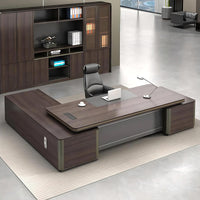
Modern Executive Desk 22-126 in Wide with Curved & Cable Management for Home Office
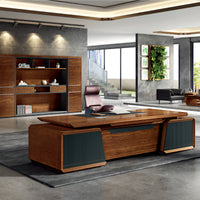
Modern Executive Desk 28-142 in Wide with Walnut for Home Office

Content Menu ● The Growing Need for Dynamic Workspaces >> What Makes a Workspace Dynamic? ● Flexibility and Adaptability of Modular Office Sofas >> Reconfigurable Layouts for Varied Needs >> Scalability and Growth ● Ergonomic and...
Jul 21, 2025
Content Menu ● Understanding Your Office Sofa Needs >> The Importance of Office Sofas ● Affordable Office Sofas >> What Defines an Affordable Office Sofa? >> Advantages of Affordable Sofas >> Possible Drawbacks ● Luxury Office Sofas...
Jul 21, 2025
Content Menu ● Table of Contents ● Introduction ● The Connection Between Comfort and Productivity ● Understanding Ergonomics: Beyond the Desk >> The Importance of Supportive Seating >> Office Sofas vs. Traditional Seating ● The Psychological Benefits...
Jul 20, 2025