
Select a checkout option below
Your cart is currently empty.
Continue shopping
Content Menu
>> The Role of Office Desk Design in Employee Productivity
● Ergonomics and Comfort: Preventing Fatigue and Discomfort
>> Impact of Ergonomics on Productivity
● Desk Arrangement and Space Utilization
>> Open versus Private Desk Layouts
>> Optimizing Desk Spacing
● Integration of Technology in Desk Design
● The Psychological Effects of Desk Design
>> Color and Material Choices
>> Personalization and Ownership
● Collaborative Desk Designs Foster Teamwork
● Environmental Factors Influenced by Desk Design
>> Lighting
>> Acoustics
● Case Studies of Effective Desk Design
● Actionable Tips for Designing Productivity-Boosting Office Desks
>> Frequently Asked Questions
In today's fast-paced work environment, every factor that influences employee productivity counts. One often overlooked yet crucial factor is office desk design. The way desks are designed and arranged can significantly impact how employees focus, collaborate, and feel throughout the workday. This article explores in detail how various elements of office desk design affect employee productivity and what companies can do to optimize their workspaces for better performance.

Employee productivity is closely tied to the environment in which they work. A well-designed office desk not only provides a functional workspace but also can reduce distractions, encourage better posture, foster collaboration, and support emotional well-being. Let's break down the core ways in which desk design influences productivity.
A significant part of office desk design emphasis is on ergonomics. Ergonomic desks and chairs reduce physical strain and discomfort, allowing employees to stay focused longer and avoid fatigue-related errors.
- Adjustable Desk Height: Providing desks with adjustable height options (sit-stand desks) lets employees change posture during the day, reducing back pain and improving circulation.
- Proper Desk Size and Shape: A desk that fits the work requirements—enough space for monitors, keyboards, and essential documents—prevents clutter and frustration.
- Ergonomic Chairs and Accessories: Paired with desks, ergonomic chairs and accessories like wrist supports decrease repetitive strain injuries.
When employees are physically comfortable, they experience less pain and fewer breaks for rest, resulting in increased concentration and efficiency. Ergonomic design reduces the risk of long-term musculoskeletal problems, which can lead to absenteeism and productivity loss.
Not only the desk itself but its placement and arrangement within the office space influence productivity.
- Open Desk Layouts: Encourage communication and collaboration but can also increase distractions if not designed thoughtfully.
- Private or Partitioned Desks: Help in focus and privacy for tasks needing concentration but may isolate employees and hinder spontaneous teamwork.
Sufficient spacing between desks ensures comfort, reduces noise disturbances, and respects personal space, which boosts job satisfaction and minimizes stress.
Modern office desks are designed to accommodate different technology needs, which directly affect how smoothly employees can work.
- Built-in Cable Management: Reduces clutter and hazards from tangled wires.
- Device Charging Ports: Keeps gadgets powered without disrupting workflow.
- Desk Embedded Screens or Adjustable Monitor Arms: Provide flexibility for screen positioning, reducing eye strain.
The choice of color and materials in desk design can influence mood and motivation.
- Natural Wood Surfaces: Often evoke warmth and calmness, which may encourage focus and reduce stress.
- Bright or Bold Colors: Can stimulate creativity and energy.
- Minimalist Designs: Reduce cognitive overload helping employees focus on tasks.
Allowing employees to personalize their desks with photos, plants, or small décor increases their sense of ownership and comfort, directly boosting morale and productivity.
Incorporating communal tables or bench desks encourages interaction and brainstorming among employees.
- Clustered Workspaces: Promote peer support and faster problem resolution.
- Modular Desks: Easily reconfigurable based on project needs facilitating dynamic teamwork.
Desks placed near natural light sources improve alertness and reduce eye strain compared to artificial lighting. Incorporating adjustable desk lamps allows employees to customize lighting based on their preference.
Desk materials and arrangement can affect sound absorption. Soft materials like wooden desks with fabric panels can reduce noise pollution, helping maintain concentration.
- Tech companies adopting sit-stand desks noticed a marked improvement in employee energy and productivity.
- Open-plan offices that introduced “quiet zones” with partitioned desks balanced collaboration and focus effectively.
- Companies using warm wooden desks and personalizable spaces reported higher employee satisfaction ratings.
- Invest in adjustable ergonomic desks and chairs.
- Plan desk layout balancing open collaboration and privacy.
- Integrate technology thoughtfully, ensuring cable management and accessibility.
- Choose materials and colors that promote calmness and creativity.
- Encourage personalization and flexible workspace arrangements.

Q1: How does ergonomic desk design reduce employee fatigue?
Ergonomic desks, especially adjustable height ones, allow employees to change posture and reduce strain on muscles and joints, decreasing fatigue and increasing focus.
Q2: What desk layout encourages the best collaboration?
Clustered or bench-style desks facilitate face-to-face interaction and quick communication, promoting teamwork.
Q3: Can desk color affect productivity?
Yes, colors influence mood; natural wood tones create calmness, while vibrant colors can boost creativity.
Q4: How important is desk size in productivity?
Adequate desk space allows employees to organize work tools efficiently, reducing clutter that can cause distractions and stress.
Q5: Why is technology integration in desks essential?
Technology-friendly desks minimize disruptions from power cords and device management, helping maintain a smooth workflow.
Hot Tags: China, Global, OEM, private label, manufacturers, factory, suppliers, manufacturing company

Leather Executive Office Chair with Genuine Leather, Solid Wood & Lumbar Support

Mesh Ergonomic Office Chair with Breathable Mesh & Lumbar Support for Executive Office

Bookcase Storage Cabinet 71 in Tall for Home Office
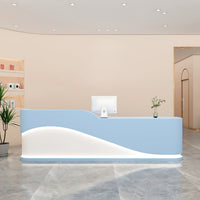
Curved Reception Desk 47-94 in Wide with Keyboard Tray, File Drawers & LED Lighting
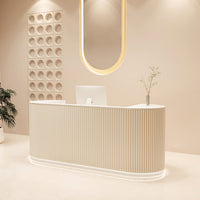
Curved Reception Desk 63-142 in Wide with Keyboard Tray, File Drawers & Fluted Front
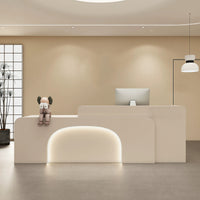
Curved Reception Desk 47-150 in Wide with LED Lighting, Keyboard Tray & File Drawers

Ergonomic Office Chair with Swivel, Curved & Dual-Tone for Home Office

Modern Executive Desk 25-110 in Wide with Side Storage for Home Office

Executive Office Desk with Built-In Power and Storage
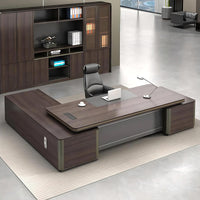
Modern Executive Desk 22-126 in Wide with Curved & Cable Management for Home Office
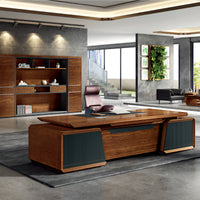
Modern Executive Desk 28-142 in Wide with Walnut for Home Office

Practical L-Shaped Side Storage Executive Desk with Cable Management

Content Menu ● Understanding the Importance of Desk Style in Creative Workspaces >> Why Desk Design Matters for Creativity >> Key Features to Look For ● Top 10 Office Desk Styles for Creative Workspaces...
Sep 09, 2025
Content Menu ● Understanding Office Desk Layouts >> What is an L-Shaped Desk? >> What is a U-Shaped Desk? ● Space Utilization and Layout Efficiency >> Optimizing Small and Medium Spaces with L-Shaped Desks >> Expanding...
Sep 08, 2025
Content Menu ● Understanding Your Workflow and Work Style >> Assessing Job Requirements and Activities >> Identifying Your Work Patterns ● Choosing the Right Desk Type >> Traditional Desks: Classic and Functional >> Standing Desks: Health...
Sep 08, 2025