
Select a checkout option below
Your cart is currently empty.
Continue shopping
Content Menu
● Understanding Office Desk Layouts
>> What is an L-Shaped Desk?
>> What is a U-Shaped Desk?
● Space Utilization and Layout Efficiency
>> Optimizing Small and Medium Spaces with L-Shaped Desks
>> Expanding Work Area with U-Shaped Desks in Larger Offices
● Accessibility and Workflow
>> How L-Shaped Desks Support Fluid Workflow
>> U-Shaped Desks for Immersive Work Environments
● Comfort and Ergonomics Considerations
>> Ergonomics of L-Shaped Desks
>> Ergonomics of U-Shaped Desks
● Organizational Benefits and Storage Options
>> Storage and Organization with L-Shaped Desks
>> Enhanced Storage with U-Shaped Desks
● Aesthetics and Office Setting Compatibility
>> Style Meets Function with L-Shaped Desks
>> The Executive Appeal of U-Shaped Desks
● Cost and Installation
>> Budget Friendliness of L-Shaped Desks
>> Investment in U-Shaped Desks
● Choosing Based on Work Style
>> For Solo Workers: L-Shaped Desks Shine
>> For Multitaskers and Collaborators: U-Shaped Desks Score
● Environmental Impact and Sustainability
>> Eco-Friendly Choices in Desk Materials
>> Space Efficiency and Energy Consumption
● User Experience and Feedback
>> Popularity and Satisfaction with L-Shaped Desks
>> Praise for U-Shaped Desk Versatility
● Maintenance and Durability
>> Maintenance Requirements for L-Shaped Desks
>> U-Shaped Desk Longevity
● Final Verdict: Which Desk is More Efficient?
>> Frequently Asked Questions (FAQs)
In today's dynamic work environments, choosing the right office desk layout can make a significant difference in productivity and comfort. Among many options, L-shaped and U-shaped desks are popular choices for maximizing workspace and organization. But which is more efficient? This article explores the advantages and disadvantages of L-shaped and U-shaped office desks, helping you make an informed decision based on your workspace needs.

Before diving into comparisons, it's important to understand what constitutes L-shaped and U-shaped desks.
An L-shaped desk typically consists of two rectangular surfaces joined to form a right angle, creating an “L” shape. It's designed to fit into corners, optimizing the use of space by offering two adjacent work surfaces.
A U-shaped desk has three connected work surfaces forming a “U” shape. It usually wraps around the user, providing extensive work area along three sides and enabling easy access to multiple workspace zones.
L-shaped desks are ideal for rooms with limited space or those corners that might otherwise go unused. The right-angle design allows for dual workspace without occupying the room's center, enabling more freedom to move and place other furniture.
- Maximizes corner space
- Provides two distinct work zones
- Encourages organized multitasking
U-shaped desks require more room but offer extensive surface area for multiple monitors, documents, or equipment. This layout is favored in executive offices and environments where multiple tasks or devices must be handled concurrently.
- Surrounds the user with workspace
- Enhances accessibility of materials
- Suitable for multi-tasking and multi-user collaboration
The L-shaped desk offers a natural workflow from one surface to the next, allowing users to designate one side for computer use and the other for writing or meetings. This can improve task segmentation and minimize distractions.
With a U-shaped desk, all work surfaces are within arm's reach, minimizing the need to get up frequently and enabling an immersive environment. This is particularly helpful for professionals like designers or engineers who juggle various tools and screens simultaneously.
L-shaped desks generally allow for comfortable legroom and flexibility in seating arrangements. Users can adjust their chair position easily between work zones, promoting a healthier posture over long hours.
Although U-shaped desks provide more surface area, they may sometimes restrict movement due to their enclosing nature. However, with thoughtful design and proper chair selection, ergonomic comfort can be maintained while maximizing surface access.
Many L-shaped desks come with built-in storage options such as drawers and shelves positioned under the surfaces. These are convenient for keeping essentials close yet out of sight, aiding clutter reduction.
U-shaped desks often integrate additional storage on all three sides, including filing cabinets and shelving units. This can be advantageous for those handling vast amounts of paperwork or needing specialized equipment nearby.
L-shaped desks often fit well in contemporary offices due to their minimalist footprint and clean design. They blend into most office aesthetics without overwhelming the space.
U-shaped desks project a sense of authority and sophistication, commonly seen in leadership offices. Their grandeur can impress clients and promote a commanding presence.
Typically, L-shaped desks are more affordable and easier to install than U-shaped desks. They require less material and less space, making them attractive for startups and small businesses.
U-shaped desks are often a larger investment both in terms of cost and space. Installation may require more time and planning, but for some, the benefits of extra workspace and storage justify the expense.
If you primarily handle computer work with occasional paperwork, L-shaped desks provide a practical and efficient workspace without excess.
Professionals who juggle diverse tasks or collaborate frequently will benefit from U-shaped desks' expansive surfaces and easy access to multiple work zones.
Both L-shaped and U-shaped desks come in a variety of materials. Choosing desks made from sustainable wood, recycled materials, or eco-friendly finishes can minimize ecological footprints.
Smaller desks like L-shaped models typically require smaller rooms, which can reduce heating and cooling demands. Conversely, larger U-shaped desks may encourage larger office footprints, possibly increasing energy use.
Users frequently highlight L-shaped desks for their space-saving quality and versatility. Many report improved focus due to the dedicated zones for different tasks.
U-shaped desk users appreciate the capacity to keep everything within reach yet organized efficiently. However, some have noted the need for more room and occasional feeling of confinement.
L-shaped desks usually have fewer joints and parts, making cleaning and maintenance simpler. Durability varies based on material quality, but designs often favor long-term usability.
Because of their complexity and size, U-shaped desks might demand more upkeep. Selecting high-quality materials and finishes can extend their lifespan notably.
Efficiency depends largely on workspace size, job nature, and personal preferences. L-shaped desks excel in smaller or multifunctional spaces by providing defined work zones without monopolizing the room. U-shaped desks maximize surface area and storage but require a larger footprint. For single users focused on a combination of tasks, L-shaped desks tend to be more efficient. Meanwhile, professional multitaskers or executives who need ample equipment and collaboration space may find U-shaped desks the better option.

1. Which desk is better for small home offices, L-shaped or U-shaped?
L-shaped desks are generally better suited for small home offices due to their space-saving design and ability to fit into corners.
2. Can U-shaped desks improve productivity?
Yes, U-shaped desks can improve productivity for multitaskers by providing more surface area and organizing multiple devices and materials effectively.
3. Are L-shaped desks more affordable than U-shaped desks?
Typically, L-shaped desks are more affordable because they use less material and require smaller spaces, reducing cost and installation expenses.
4. How do I choose the right desk for my ergonomic needs?
Consider your movement patterns and seating comfort. L-shaped desks offer flexibility, while U-shaped desks need careful chair selection to avoid feeling confined.
5. Is it possible to customize U-shaped desks?
Most U-shaped desks are customizable, allowing users to add storage components, cable management features, and adjust sizes based on office layout.
Hot Tags: China, Global, OEM, private label, manufacturers, factory, suppliers, manufacturing company

Leather Executive Office Chair with Genuine Leather, Solid Wood & Lumbar Support

Mesh Ergonomic Office Chair with Breathable Mesh & Lumbar Support for Executive Office
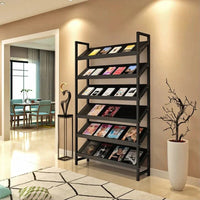
Bookcase Storage Cabinet 71 in Tall for Home Office
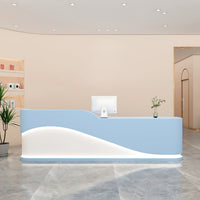
Curved Reception Desk 47-94 in Wide with Keyboard Tray, File Drawers & LED Lighting
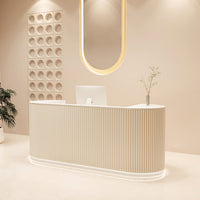
Curved Reception Desk 63-142 in Wide with Keyboard Tray, File Drawers & Fluted Front
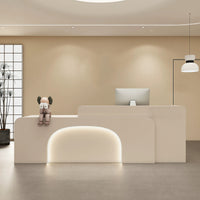
Curved Reception Desk 47-150 in Wide with LED Lighting, Keyboard Tray & File Drawers

Ergonomic Office Chair with Swivel, Curved & Dual-Tone for Home Office

Modern Executive Desk 25-110 in Wide with Side Storage for Home Office
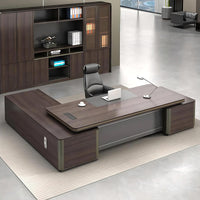
Modern Executive Desk 22-126 in Wide with Curved & Cable Management for Home Office
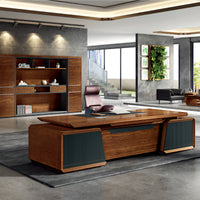
Modern Executive Desk 28-142 in Wide with Walnut for Home Office

Content Menu ● Understanding Your Workflow and Work Style >> Assessing Job Requirements and Activities >> Identifying Your Work Patterns ● Choosing the Right Desk Type >> Traditional Desks: Classic and Functional >> Standing Desks: Health...
Sep 08, 2025
Content Menu ● Ergonomics: The Foundation of a Functional Desk >> Adjustable Height Options >> Adequate Legroom and Clearance ● Surface Material and Durability >> Common Surface Materials >> Scratch and Stain Resistance ● Storage and Organization...
Sep 07, 2025
Content Menu ● Understanding the Importance of a Quality Office Desk ● Key Features of a High-Quality Office Desk >> Durable Materials That Last >> Design That Maximizes Functionality >>> Surface Area and Shape >>> Storage...
Sep 07, 2025