
Select a checkout option below
Your cart is currently empty.
Continue shopping
Content Menu
● Understanding Your Workflow and Work Style
>> Assessing Job Requirements and Activities
>> Identifying Your Work Patterns
● Choosing the Right Desk Type
>> Traditional Desks: Classic and Functional
>> Standing Desks: Health and Flexibility
>> Corner Desks: Efficient Use of Space
>> Modular and Custom Desks: Tailored Solutions
● Desk Size and Surface Area
>> Matching Desk Size to Workspace
>> Surface Area Needs Based on Tasks
● Material Choices and Durability
>> Wood Desks: Warmth and Classic Appeal
>> Metal Desks: Industrial and Modern
>> Composite and Glass Desks: Style and Maintenance
● Ergonomics: Comfort and Health
>> Desk Height and Adjustability
>> Space for Ergonomic Accessories
● Storage Solutions and Organization
>> Built-in Drawers and Cabinets
>> Add-on Shelves and Filing Systems
● Cable Management and Technology Integration
>> Built-in Cable Channels and Ports
>> Desk Layout to Support Tech Equipment
● Style and Aesthetic Considerations
>> Aligning Desk Design with Office Decor
>> Color and Finish Effects on Mood
● Budgeting for Your Office Desk
>> Balancing Cost and Quality
>> Exploring Warranty and Support
● Making the Purchase and Setup
>> Measuring and Planning Layout Before Purchase
>> Professional Assembly or DIY?
● Maintenance and Longevity Tips
>> Cleaning and Care for Different Materials
>> Routine Checks and Repairs
● Frequently Asked Questions
>> What is the ideal desk height for ergonomic comfort?
>> How much workspace do I need on my desk?
>> Are standing desks better than sitting desks?
>> How can I manage cables effectively at my desk?
>> What material is best for an office desk?
Choosing the right office desk is crucial for productivity, comfort, and overall work satisfaction. An ideal desk should fit your workflow seamlessly, supporting your daily tasks and enhancing your work environment. This article guides you through the key considerations and practical tips for selecting an office desk tailored to your specific needs.

Your daily tasks largely determine the type of desk you need. Consider the nature of your work:
- Do you primarily use a computer or handle paperwork?
- Is your job collaborative or individual?
- Do you need space for multiple monitors or specialized equipment?
Answering these questions will help identify whether you need a large surface area, storage options, or a modular setup.
Evaluate how you move and interact during work hours:
- Do you tend to spread out materials or keep items neatly stacked?
- How often do you shift between writing, typing, and reading?
- Do you prefer sitting, standing, or switching between both?
Understanding these patterns will clarify the best desk style and features for your workflow.
Traditional desks offer ample surface and storage with a familiar structure. They typically have drawers and compartments, ideal for organizing office supplies and paperwork.
Standing desks promote better posture and reduce sedentary health risks. Adjustable or sit-stand desks enable changing positions throughout the day, supporting active workflow habits.
Corner desks fit snugly into room corners, maximizing space while providing a broad work area. They are excellent for multitasking with monitors or additional tools.
Modular desks allow configuration changes to suit evolving work demands. Custom desks can be designed to specific dimensions and storage needs for unique workflows.
Measure your office room and consider movement space. Overly large desks can clutter a room; too small desks can limit work efficiency.
Your desk surface should accommodate all essential items without strain. For example, a graphic designer may require extra space for drawing pads, whereas a writer might prioritize paper space.
Wood desks provide a sturdy surface and aesthetic appeal. Options range from solid hardwood to veneer finishes, balancing durability and cost.
Metal desks often feature minimalist design and high durability, suitable for heavy equipment or frequent relocation.
Composite materials and glass tops offer sleek modern looks but may require more care to avoid scratches or stains.
Standard desk heights are around 29 to 30 inches, but ergonomic comfort might demand adjustable heights to align with your chair and body posture.
Consider space beneath the desk for footrests, and surface room for keyboard trays, monitor stands, or document holders to improve posture.
Integrated storage helps keep desktops clutter-free. Decide how many drawers or cabinets you need based on your office supplies.
Additional shelves or filing units can expand your organization capabilities without crowding your desk space.
Modern desks may include cable management systems to reduce clutter and protect wires, important when using computers, chargers, and other electronics.
Plan desk zones for monitors, printers, and power supplies, ensuring efficient reach and safe setup.
Your desk should complement your office's overall look—whether minimalistic, traditional, rustic, or modern-industrial.
Colors and finishes influence work mood—lighter colors can increase focus, darker tones may promote seriousness or formality.
Set a realistic budget balancing your functional needs and long-term durability. Investing in a quality desk can save money on replacements.
Check manufacturer warranties and customer service to ensure protection against defects.
Accurate measurements prevent buyer's remorse. Visualize the desk's placement to optimize workflow access and office traffic.
Consider desk assembly complexity and whether professional help is needed to avoid damage and ensure stability.
Use appropriate cleaners for wood, metal, or glass to maintain your desk's appearance and function.
Regularly inspect moving parts, drawer operations, and surface conditions to prolong desk life.

The ideal desk height aligns with your elbow height when seated, generally around 29-30 inches, but adjustable desks offer the most comfort across different users.
This depends on your tasks. A minimum of 48 inches width is recommended for laptop users, while those using multiple monitors or physical documents may require 60 inches or more.
Standing desks provide health benefits by reducing sitting time and encouraging movement, but the best option depends on your workflow and comfort preferences.
Look for desks with built-in cable channels, or use external cable management solutions like clips, sleeves, or under-desk trays to keep cables organized and safe.
Wood is preferred for its durability and classic appeal, metal offers strength and modern looks, while composite materials can be stylish but may be less durable.
Hot Tags: China, Global, OEM, private label, manufacturers, factory, suppliers, manufacturing company

Leather Executive Office Chair with Genuine Leather, Solid Wood & Lumbar Support

Mesh Ergonomic Office Chair with Breathable Mesh & Lumbar Support for Executive Office
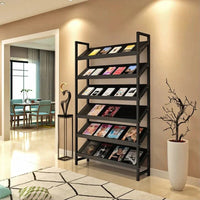
Bookcase Storage Cabinet 71 in Tall for Home Office
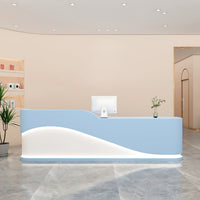
Curved Reception Desk 47-94 in Wide with Keyboard Tray, File Drawers & LED Lighting
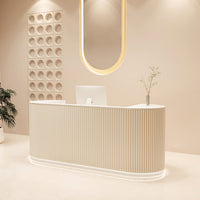
Curved Reception Desk 63-142 in Wide with Keyboard Tray, File Drawers & Fluted Front
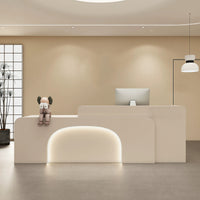
Curved Reception Desk 47-150 in Wide with LED Lighting, Keyboard Tray & File Drawers

Ergonomic Office Chair with Swivel, Curved & Dual-Tone for Home Office

Modern Executive Desk 25-110 in Wide with Side Storage for Home Office
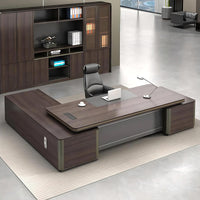
Modern Executive Desk 22-126 in Wide with Curved & Cable Management for Home Office
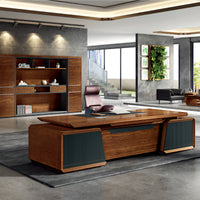
Modern Executive Desk 28-142 in Wide with Walnut for Home Office

Practical L-Shaped Side Storage Executive Desk with Cable Management

Content Menu ● Ergonomics: The Foundation of a Functional Desk >> Adjustable Height Options >> Adequate Legroom and Clearance ● Surface Material and Durability >> Common Surface Materials >> Scratch and Stain Resistance ● Storage and Organization...
Sep 07, 2025
Content Menu ● Understanding the Importance of a Quality Office Desk ● Key Features of a High-Quality Office Desk >> Durable Materials That Last >> Design That Maximizes Functionality >>> Surface Area and Shape >>> Storage...
Sep 07, 2025
Content Menu ● Understanding Office Desk Materials >> What is Wood Desk Material? >> What is a Metal Desk? >> What is Laminate Desk Material? ● Comparative Analysis of Wood, Metal, and Laminate Desks >> Aesthetic...
Sep 07, 2025