Select a checkout option below
Your cart is currently empty.
Continue shopping
 kaguyasu
Content Menu
● The Importance of Choosing the Right Reception Desk Material
● Wood Reception Desks: Classic Warmth and Versatility
>> Types of Wood Used in Reception Desks
>> Advantages of Wood Reception Desks
>> Disadvantages of Wood Reception Desks
● Metal Reception Desks: Modern Strength and Industrial Flair
>> Types of Metal in Reception Desks
>> Advantages of Metal Reception Desks
>> Disadvantages of Metal Reception Desks
● Glass Reception Desks: Elegant Transparency and Light
>> Types of Glass for Reception Desks
>> Advantages of Glass Reception Desks
>> Disadvantages of Glass Reception Desks
● Comparing Wood, Metal, and Glass for Reception Desks
● Practical Considerations When Choosing Reception Desk Material
>> Office Branding and Style
>> Budget Constraints
>> Space and Layout
>> Durability and Longevity
>> Functionality and Storage
● How to Maintain Each Reception Desk Material
>> Wood Desk Maintenance Tips
>> Metal Desk Maintenance Tips
>> Glass Desk Maintenance Tips
● Final Recommendations for Reception Desk Material Choice
● Frequently Asked Questions About Reception Desk Materials
Choosing the right material for a reception desk is a crucial decision for businesses. The reception area is the first point of contact for clients, partners, and visitors, and the desk's material can influence the overall impression, durability, and functionality of the space. Wood, metal, and glass are three popular materials used in reception desk construction, each with unique advantages and potential drawbacks. This article explores these materials in depth, helping you decide which is the best fit for your reception desk.

Reception desks are more than just functional pieces of furniture—they set the tone and reflect the brand's personality. Selecting the correct material impacts:
- Durability and maintenance
- Aesthetic appeal and style
- Cost and budget management
- Comfort and usability for reception staff
Understanding the benefits and limitations of wood, metal, and glass will equip you to make an informed choice that matches your office environment.
Wooden reception desks come in various types, each imparting different aesthetics and levels of durability:
- Solid Hardwood: Oak, maple, cherry, and walnut are popular hardwoods known for strength and timeless appeal.
- Engineered Wood: Medium-density fiberboard (MDF) or plywood often used with wood veneers for cost-efficiency.
- Exotic Woods: Teak or mahogany offers luxurious finishes but at a premium price.
- Warm and Inviting: Wood has a natural warmth that creates a welcoming atmosphere for visitors.
- Customizable Design: Wood can be carved, stained, or painted in various styles, from rustic to modern.
- Durability: High-quality hardwood desks can last decades if properly maintained.
- Repairable: Scratches and dents on wood can often be sanded and refinished.
- Maintenance Intensive: Wood requires regular polishing and may be prone to scratches, stains, or water damage.
- Cost: Solid wood reception desks tend to be more expensive than metal or glass options.
- Weight: Wooden desks are often heavy, making rearranging or moving difficult.
- Susceptibility to Environmental Changes: Wood can warp or crack in high humidity or temperature fluctuations.
Metals used in reception desks often include:
- Stainless Steel: Known for corrosion resistance and a sleek appearance.
- Aluminum: Lightweight, versatile, and easy to form into various shapes.
- Steel: Strong and durable, often powder-coated for aesthetic finishes.
- Contemporary Look: Metal desks often fit well in modern, industrial, or minimalist office environments.
- Durability and Strength: Metal surfaces resist impacts and are less prone to damage.
- Low Maintenance: Easy to clean and maintain; resistant to stains and spills.
- Fire Resistant: Metal materials offer better fire safety compared to wood.
- Cold Appearance: Metal can feel harsh or uninviting without complementary materials.
- Prone to Scratches and Dents: Though sturdy, metal surfaces can still show marks over time.
- Noise: Metal desks can be noisy when objects are placed or moved on them.
- Limited Design Flexibility: Compared to wood, metal offers fewer options for intricate detailing or texture.
- Tempered Glass: Safety glass that shatters into small, less harmful pieces.
- Frosted Glass: Provides privacy while maintaining light transmission.
- Tinted or Colored Glass: Adds design flair and brand colors.
- Laminated Glass: Multiple layers for added strength and safety.
- Modern and Sleek: Glass desks offer an ultra-modern aesthetic and can make spaces feel open and airy.
- Light Reflection: Helps brighten reception areas by reflecting light.
- Easy to Clean: Smooth surfaces that require minimal effort to maintain.
- Illusion of Space: Transparent materials visually expand smaller lobbies.
- Fragility: Although tempered glass is strong, it can still break or chip.
- Fingerprints and Smudges: Glass surfaces need frequent cleaning to maintain pristine looks.
- Cold and Impersonal: Glass can feel less welcoming without warmer accents.
- Limited Storage: Many glass desks prioritize aesthetics over functional storage solutions.
| Feature | Wood | Metal | Glass |
|---|---|---|---|
| Aesthetic Appeal | Warm, classic, versatile | Modern, industrial, sleek | Elegant, transparent, light |
| Durability | Durable but needs care | Highly durable, low upkeep | Strong but breakable |
| Maintenance | Requires polishing & protection | Easy to clean, low maintenance | Frequent cleaning needed |
| Cost | Moderate to high | Moderate | Moderate to high |
| Weight | Heavy | Varies; often lightweight | Typically heavy |
| Design Flexibility | High (customizable) | Moderate | Limited |
| Comfort/Atmosphere | Welcoming, warm | Cold, professional | Modern but less warm |
Consider how the desk material aligns with your brand image. A law firm or financial institution might prefer the gravitas of dark wood, while a tech startup may lean towards metal or glass for a futuristic vibe.
Factor in initial costs and long-term maintenance expenses. Wood might cost more up front and require polishing, metal needs little maintenance, and glass can incur cleaning costs and replacements if damaged.
Glass desks can visually enlarge smaller spaces, while large wooden desks add gravitas to wider lobbies. Metal desks can be customized to fit unique office layouts with modular designs.
Evaluate usage intensity. High-traffic reception areas might benefit from metal's resilience, while quieter offices could opt for wood's elegance.
Receptionists need easily accessible storage and workspace. Wood desks generally offer better built-in cabinetry. Metal and glass may require additional furniture for storage.
- Use furniture polish regularly.
- Avoid placing wet items directly on surfaces.
- Repair scratches promptly with wood fillers or touch-up pens.
- Control humidity in the office to prevent warping.
- Clean with mild soap and water.
- Use microfiber cloths to avoid scratching.
- Consider occasional waxing to maintain shine.
- Avoid abrasive cleaners that damage coatings.
- Use glass cleaner or vinegar solutions for streak-free shine.
- Wipe fingerprints daily with a soft cloth.
- Avoid heavy impact or dropping objects.

Choosing between wood, metal, or glass for your reception desk depends on your business needs, aesthetic preferences, and practical demands. If warmth and tradition are priorities, wood is the best choice. For modern durability and low maintenance, metal desks excel. Glass works well for contemporary, light-filled spaces but requires careful upkeep.
By weighing these factors against your office environment, staff needs, and branding goals, you can pick a reception desk that impresses visitors while standing up to daily use.
Q1: Which reception desk material is the most durable in a high-traffic area?
Metal is generally the most durable material for high-traffic reception areas due to its resistance to impact, stains, and wear. Wood can also be durable but may require more maintenance over time.
Q2: Can glass reception desks provide enough privacy for reception staff?
Glass desks can be frosted or tinted to enhance privacy, but they typically offer less concealment than wood or metal desks with built-in cabinetry.
Q3: How does the cost of wood, metal, and glass desks compare?
Wood desks often have higher upfront costs, especially solid hardwoods. Metal desks tend to be moderately priced with lower maintenance. Glass desks vary widely depending on the type of glass and design complexity.
Q4: Are metal desks prone to rust or corrosion?
Stainless steel and powder-coated metal desks resist rust and corrosion effectively. Regular maintenance extends their lifespan in various environments.
Q5: What is the best way to prevent scratches on wood reception desks?
Use coasters, avoid dragging heavy items, and periodically polish the surface. Immediate repair of minor scratches with wood fillers helps maintain appearance.
Hot Tags: China, Global, OEM, private label, manufacturers, factory, suppliers, manufacturing company

Leather Executive Office Chair with Genuine Leather, Solid Wood & Lumbar Support

Mesh Ergonomic Office Chair with Breathable Mesh & Lumbar Support for Executive Office
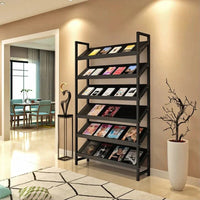
Bookcase Storage Cabinet 71 in Tall for Home Office
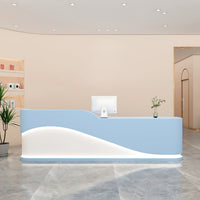
Curved Reception Desk 47-94 in Wide with Keyboard Tray, File Drawers & LED Lighting
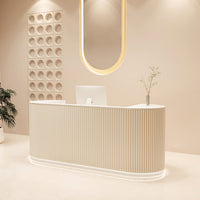
Curved Reception Desk 63-142 in Wide with Keyboard Tray, File Drawers & Fluted Front
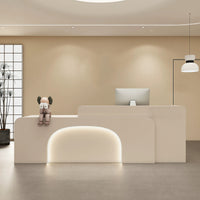
Curved Reception Desk 47-150 in Wide with LED Lighting, Keyboard Tray & File Drawers

Ergonomic Office Chair with Swivel, Curved & Dual-Tone for Home Office

Modern Executive Desk with Wireless Charging, Built-In Outlets & Side Storage

Modern Executive Desk 25-110 in Wide with Side Storage for Home Office

Modern Conference Table 59-91 in Wide (4.9-7.6 ft) with Built-In Outlets & Lumbar Support
Modern Executive Desk 22-126 in Wide with Curved & Cable Management for Home Office
Modern Executive Desk 28-142 in Wide with Walnut for Home Office

Modern Executive Desk with Cable Management, Side Storage & Lumbar Support for Home Office

Content Menu ● The Importance of Reception Desks in High-Traffic Areas ● Key Durability Factors for High-Traffic Reception Desks >> Material Strength and Longevity >> Construction Quality and Engineering >> Surface Finishes to Withstand Wear...
Oct 12, 2025
Content Menu ● Understanding Brand Identity in Reception Design >> What Is Brand Identity? >> Why Reception Desks Matter for Branding ● Key Elements to Reflect Brand Identity in Reception Desks >> Incorporating Brand Colors...
Oct 10, 2025
Content Menu ● Understanding the Role of the Reception Desk >> Key Functions of a Reception Desk ● Principles for Matching Reception Desk and Office Furniture >> Establishing a Cohesive Color Scheme >> Coordinating Materials...
Oct 10, 2025