Select a checkout option below
Your cart is currently empty.
Continue shopping
 kaguyasu
Content Menu
● Understanding the Importance of a Reception Desk
● Key Factors to Consider When Choosing a Reception Desk
>> Space and Layout Considerations
>> Desk Shapes and Their Benefits
>> Style and Aesthetic Appeal
>> Material Selection
>> Functionality and Technology Integration
>> Branding and Customization
>> Flexibility and Future-Proofing
● Practical Tips for Choosing Your Reception Desk
>> Assess Your Needs Thoroughly
>> Prioritize Comfort and Ergonomics
>> Balance Aesthetics with Durability
>> Plan for Visitor Experience
● Conclusion
● Frequently Asked Questions
Creating a welcoming and professional first impression is essential for any business, and the reception desk plays a pivotal role in this. As the initial point of contact for visitors and clients, the reception desk must blend functionality, style, and brand identity seamlessly. Choosing the right modern reception desk for your workspace can be a challenging task given the variety of designs, materials, and features available today. This comprehensive guide will walk you through the key considerations, design trends, and practical tips to help you select a reception desk that perfectly suits your workspace needs.

The reception desk is more than just a piece of furniture; it is the face of your company. It sets the tone for visitors' experiences and reflects your brand's professionalism and values. A well-chosen reception desk enhances workflow efficiency for your front-desk staff while creating an inviting atmosphere.
Before selecting a reception desk, evaluate your reception area's size and layout. The desk should fit comfortably without overcrowding the space, allowing for smooth traffic flow.
- Desk Size: Measure the available floor space carefully. Consider how many staff will use the desk and what equipment they need.
- Shape and Configuration: Common shapes include rectangular, L-shaped, and U-shaped desks. Each serves different spatial and functional needs.
- Rectangular Desks: Ideal for small to medium spaces, offering a straightforward and efficient workspace.
- L-Shaped Desks: Provide ample surface area and allow staff to monitor the reception area easily.
- U-Shaped Desks: Suitable for larger spaces or high-traffic environments, offering extensive workspace and storage.
Choosing the right shape ensures that the reception area remains organized and functional[3].
The reception desk should complement your office's overall interior design and brand image.
- Minimalist Designs: Clean lines and simple forms create a modern, uncluttered look. Materials like natural wood, polished concrete, and metals such as stainless steel or brushed aluminum are popular for their sleek yet warm appeal[1][3].
- Biophilic Elements: Incorporating natural materials and greenery into the desk design can make the space feel more inviting and promote well-being[1].
- Statement Lighting: Integrated LED strips or pendant lights can highlight the desk's design, adding drama and sophistication[1].
Materials affect both the desk's durability and its visual impact.
- Wood: Offers warmth and a natural feel, available in various finishes.
- Metal: Provides a modern, industrial look and is highly durable.
- Glass and Acrylic: Convey transparency and lightness, suitable for contemporary spaces.
- Composite Materials: Often used for cost-effective, versatile designs.
Selecting materials that align with your brand and office environment is crucial for a cohesive look[1][3].
Modern reception desks are not just about looks; they must support efficient work processes.
- Storage Solutions: Built-in drawers, shelves, and cabinets help keep the workspace organized.
- Cable Management: Concealed outlets and cable channels prevent clutter and maintain a clean appearance.
- Technology Features: Integration of touchscreens for visitor check-in, wireless charging stations, and power outlets enhance functionality and streamline operations[1].
Your reception desk is an excellent opportunity to showcase your company's identity.
- Custom Logos and Colors: Incorporate your brand's colors and logo into the desk design for instant recognition.
- Unique Design Features: Custom shapes or materials that tell your brand story can make the reception area memorable[1][7].
Workspaces evolve, so consider desks that can adapt to changing needs.
- Modular Designs: Allow for reconfiguration or expansion without major renovations.
- Adjustable Heights: Accommodate different users and ergonomic needs.
- Interchangeable Components: Enable updates to storage or technology features as required[1].
List the tasks your reception staff perform and the equipment they require. This ensures the desk supports daily operations effectively.
Choose a desk height and layout that promote good posture and reduce strain for receptionists.
Select materials and finishes that withstand daily wear while maintaining a polished appearance.
Ensure the desk design facilitates easy communication and creates a welcoming environment.
Selecting the right modern reception desk involves balancing aesthetics, functionality, and brand representation. By carefully considering your space, style preferences, material options, and technological needs, you can create a reception area that impresses visitors and supports your team efficiently. Embrace modern trends like minimalist design, biophilic elements, and technology integration to ensure your reception desk is both timeless and on-trend.
Q1: What is the best shape for a reception desk in a small space?
A1: A rectangular desk is often best for small spaces due to its simplicity and efficient use of area.
Q2: How can I incorporate branding into my reception desk design?
A2: Use custom colors, logos, and unique design elements that reflect your brand's identity on the desk surface or front panel.
Q3: What materials are recommended for durability in a reception desk?
A3: Metals like stainless steel, high-quality wood, and composite materials are durable and suitable for high-traffic areas.
Q4: How important is technology integration in a modern reception desk?
A4: Very important; features like built-in charging stations, visitor check-in screens, and cable management improve efficiency and visitor experience.
Q5: Can a reception desk design be flexible for future changes?
A5: Yes, modular and adjustable desks allow easy reconfiguration to adapt to evolving workspace needs.

[1] https://www.totalfitouts.com.au/blog/top-modern-reception-desk-design-trends-in-commercial-fitouts-insights-from-total-fitouts/
[2] https://patents.google.com/patent/CN204990766U/zh
[3] https://aceofficesystems.com/blogs/news/reception-desk-design-for-professional-appearance
[4] https://blog.csdn.net/m0_58976684/article/details/129781384
[5] https://learningcentre.officeinteriors.ca/blog/reception-desk-101
[6] https://www.cnblogs.com/mqcan/articles/1214135.html
[7] https://cjassociatesinc.com/reception-desk-design/
[8] https://blog.sciencenet.cn/blog-213646-914843.html
[9] https://surenspace.com/blog/11-unique-reception-desk-design-ideas-to-attract-new-clients/
[10] https://blog.csdn.net/weixin_45386937/article/details/113763997
Hot Tags: China, Global, OEM, private label, manufacturers, factory, suppliers, manufacturing company

Leather Executive Office Chair with Genuine Leather, Solid Wood & Lumbar Support

Mesh Ergonomic Office Chair with Breathable Mesh & Lumbar Support for Executive Office
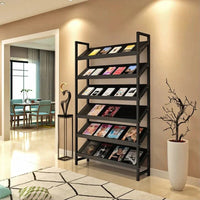
Bookcase Storage Cabinet 71 in Tall for Home Office
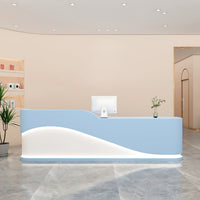
Curved Reception Desk 47-94 in Wide with Keyboard Tray, File Drawers & LED Lighting
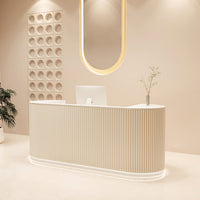
Curved Reception Desk 63-142 in Wide with Keyboard Tray, File Drawers & Fluted Front
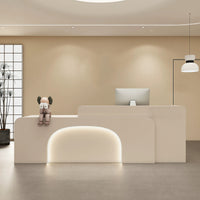
Curved Reception Desk 47-150 in Wide with LED Lighting, Keyboard Tray & File Drawers

Ergonomic Office Chair with Swivel, Curved & Dual-Tone for Home Office

Modern Executive Desk with Wireless Charging, Built-In Outlets & Side Storage

Modern Executive Desk 25-110 in Wide with Side Storage for Home Office
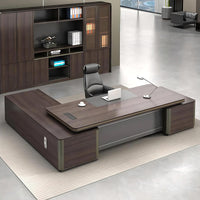
Modern Executive Desk 22-126 in Wide with Curved & Cable Management for Home Office
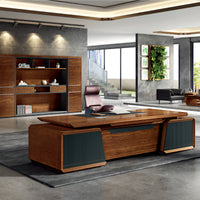
Modern Executive Desk 28-142 in Wide with Walnut for Home Office

Content Menu ● Introduction ● The Evolution of the Reception Desk >> From Function to Focal Point >> The Modern Shift ● Key Features That Distinguish Modern Reception Desks >> H2: Design Innovations in Modern Reception...
Jul 10, 2025
Content Menu ● Table of Contents ● Introduction: Why the Right Reception Desk Matters ● Kaguyasu: Leading the Way in Modern Reception Desk Manufacturing >> About Kaguyasu >> Why Choose Kaguyasu Reception Desks? >> Featured Kaguyasu...
Jul 10, 2025
Content Menu ● The Importance of Reception Desks in Small Offices ● Key Features of Modern Reception Desks for Small Spaces >> Space Efficiency and Compact Design >> Integrated LED Lighting >> Adjustable Height and...
Jul 09, 2025