Select a checkout option below
Your cart is currently empty.
Continue shopping
 kaguyasu
Content Menu
● The Importance of First Impressions in Business
>> Psychological Impact of First Impressions
>> The Reception Desk as a Brand Ambassador
● Key Elements of Reception Desk Design
>> Layout and Space Utilization
>> Material Selection and Finish
>> Color Psychology
>> Lighting and Ambience
>> Ergonomics and Functionality
● How Design Influences Visitor Experience
>> Creating Welcoming and Comfortable Spaces
>> Enhancing Professionalism
>> Reflecting Company Values and Culture
>> Supporting Staff Efficiency and Interaction
● Practical Tips for Designing an Impactful Reception Desk
>> Understand Your Brand Identity
>> Prioritize Visitor Comfort and Accessibility
>> Use Technology Thoughtfully
>> Balance Aesthetics and Practicality
>> Regular Maintenance and Upkeep
● Case Studies of Effective Reception Desk Designs
>> Corporate Office Reception: Sleek and Modern
>> Boutique Hotel Lobby: Warm and Inviting
>> Medical Clinic Reception: Clean and Functional
● Common Mistakes to Avoid in Reception Desk Design
● Frequently Asked Questions (FAQ)
Reception areas are the gateway to any business and the reception desk plays a crucial role in shaping visitor perceptions. The design of the reception desk is often the first point of physical interaction guests have with an organization, making it a powerful tool for communication. A well-designed reception desk can convey professionalism, warmth, and attention to detail, instantly creating a positive impression. Conversely, a poorly designed reception desk may lead to negative assumptions about the business.
This article explores how reception desk design impacts first impressions, detailing key design elements and their psychological effects, and providing practical advice for businesses seeking to optimize this vital aspect of their interior environment.

First impressions are formed within seconds and tend to be lasting. Visitors unconsciously judge an organization's values, competence, and culture based on their initial experience. The reception area is often the first physical touchpoint, and the desk—its centerpiece—serves as a visual and functional representation of the company.
More than just a place where visitors check in, the reception desk communicates brand identity. Its style, materials, colors, and layout send subtle but powerful messages about the company's priorities. For example, a sleek modern desk can indicate innovation and cutting-edge services, while a classic wood desk might communicate tradition and reliability.
An effective desk design considers spatial dynamics to ensure it is welcoming and functional. Adequate space facilitates smooth interactions between receptionists and visitors without feeling cramped or intimidating.
- Open Layout: Encourages approachability and openness.
- Barrier-Free Design: Avoids physical or visual barriers that might discourage visitors.
- Accessibility: Compliance with ADA standards ensures comfort for all guests.
Materials convey sensory and psychological signals.
- Wood: Warmth, tradition, and trustworthiness.
- Glass: Transparency, modernity, and sophistication.
- Metal: Professionalism and durability.
The finish—whether matte, glossy, or textured—also impacts perception, suggesting either formality or creativity.
Colors evoke emotional responses and influence mood.
- Blue: Trust and professionalism.
- Green: Calm and growth.
- Red: Energy and urgency—used sparingly.
- Neutral tones: Elegance and simplicity.
Coordinating desk colors with overall branding supports a cohesive image.
Proper lighting enhances the desk's visual appeal and sets the atmosphere.
- Task Lighting: Helps receptionists work efficiently.
- Accent Lighting: Highlights desk features to guide visitors' eyes.
- Natural Lighting: Adds warmth and comfort.
Illumination levels affect visibility and mood, impacting overall impressions.
Ergonomic design benefits both receptionists and visitors.
- Comfortable heights and seating improve receptionist productivity.
- Thoughtful placement of equipment, signage, and visitor amenities ensure smooth operations.
- Clear signage reduces visitor confusion and improves flow.
Balancing aesthetics with practical needs is key.
A positive first impression is closely tied to how comfortable visitors feel on arrival. Reception desks that incorporate approachable design features tend to make guests feel at ease.
Quality materials and well-crafted design communicate that a business values excellence and attention to detail. This reassures visitors that their experience will be professional throughout their engagement.
Design choices can subtly express company ethos. For example, sustainable materials and green accents highlight environmental consciousness, appealing to like-minded clients.
Reception desks designed for optimal workflow empower receptionists to deliver better service, further enhancing visitor satisfaction.
Ensure the desk's style aligns with your brand personality and industry standards. Consistency strengthens credibility.
Design with diverse visitor needs in mind, including those with disabilities. Comfortable seating, clear signage, and ample space improve access.
Integrate digital check-in kiosks or display screens seamlessly without cluttering the space.
Maintain a clean, uncluttered appearance while providing necessary storage and work surfaces for receptionists.
A polished desk is vital. Clean, well-maintained surfaces sustain professionalism over time.
A multinational company invested in a minimalist reception desk made from glass and brushed aluminum. The design conveys innovation and professionalism. LED accent lighting adds a high-tech feel. Visitors report feeling impressed and welcomed.
Using reclaimed wood with soft curves, the hotel reception desk emphasizes environmental stewardship and comfort. Paired with earth-toned colors and natural light, it creates a cozy ambiance that guests appreciate.
A healthcare facility chose a neutral color palette and ergonomic design with documented emphasis on accessibility. Strategies focus on reducing anxiety and supporting smooth patient flow.
- Oversized desks that create distance and discourage approach.
- Cluttered, disorganized surfaces that cause confusion.
- Poor lighting resulting in dull or harsh atmospheres.
- Ignoring visitor accessibility needs.

Q1: How important is the reception desk in shaping first impressions?
A1: The reception desk is often the first tangible interaction visitors have with a company and significantly influences perceptions of professionalism, brand identity, and visitor comfort.
Q2: What colors should be avoided in reception areas?
A2: Extremely bright and neon colors can be overwhelming and may create a stressful atmosphere. It's best to use colors that align with the brand and promote calmness or trust.
Q3: How can small businesses make a big impact with their reception desk design?
A3: Even with limited space, thoughtful use of color, lighting, cleanliness, and branding elements can create a strong, positive impression.
Q4: What role does technology play in modern reception desk design?
A4: Technology like digital check-ins and interactive displays can streamline visitor processing and reflect a forward-thinking brand, but should be integrated without clutter.
Q5: How often should reception desk design be updated?
A5: Design updates depend on brand evolution and wear and tear but generally every 5 to 7 years or when significant rebranding occurs is ideal to maintain relevance and appeal.
Hot Tags: China, Global, OEM, private label, manufacturers, factory, suppliers, manufacturing company

Leather Executive Office Chair with Genuine Leather, Solid Wood & Lumbar Support

Mesh Ergonomic Office Chair with Breathable Mesh & Lumbar Support for Executive Office

Bookcase Storage Cabinet 71 in Tall for Home Office
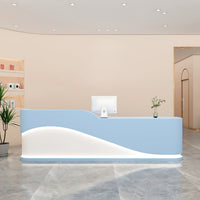
Curved Reception Desk 47-94 in Wide with Keyboard Tray, File Drawers & LED Lighting
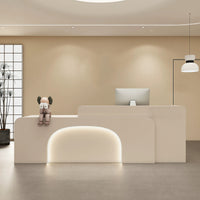
Curved Reception Desk 47-150 in Wide with LED Lighting, Keyboard Tray & File Drawers
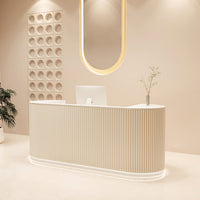
Curved Reception Desk 63-142 in Wide with Keyboard Tray, File Drawers & Fluted Front

Ergonomic Office Chair with Swivel, Curved & Dual-Tone for Home Office

Modern Executive Desk with Wireless Charging, Built-In Outlets & Side Storage

Modern Executive Desk 25-110 in Wide with Side Storage for Home Office

Modern Conference Table 59-91 in Wide (4.9-7.6 ft) with Built-In Outlets & Lumbar Support
Modern Executive Desk 22-126 in Wide with Curved & Cable Management for Home Office
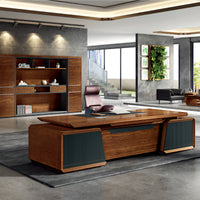
Modern Executive Desk 28-142 in Wide with Walnut for Home Office

Content Menu ● Understanding Reception Desks >> Key Roles of a Reception Desk ● Overview of Pre-Made Reception Desks >> Advantages of Pre-Made Reception Desks >> Disadvantages of Pre-Made Reception Desks ● Exploring Custom Reception Desks...
Sep 25, 2025
Content Menu ● Understanding High-End Reception Desks >> The Role of Materials in Reception Desk Design ● Top Materials Used in High-End Reception Desks >> Wood: Classic Elegance and Warmth >>> Solid Hardwood >>> Engineered Wood...
Sep 25, 2025
Content Menu ● Why Reception Desks Matter >> The Role of a Reception Desk in Client Impressions >> Impact on Employee Efficiency and Environment ● Key Features of Modern Reception Desks >> Aesthetic Appeal and...
Sep 24, 2025