Select a checkout option below
Your cart is currently empty.
Continue shopping
 kaguyasu
Content Menu
● Understanding Sustainable Offices
>> What Defines a Sustainable Office?
>> Why Storage Solutions Matter
● Key Features of Eco-Friendly Storage Cabinets
>> Sustainable Materials
>> Durability and Longevity
>> Modular and Flexible Design
● Environmental Benefits of Eco-Friendly Storage Cabinets
>> Reducing Carbon Footprint
>> Waste Minimization
>> Better Indoor Environmental Quality
● Economic Advantages for Sustainable Offices
>> Lower Long-Term Costs
>> Enhanced Employee Productivity
>> Supporting Green Business Credentials
● How to Choose the Right Eco-Friendly Storage Cabinets for Your Office
>> Assessing Your Needs and Space
>> Verifying Materials and Certifications
>> Inspecting Manufacturing Practices
>> Prioritizing Ergonomics and Design
● Popular Types of Eco-Friendly Storage Cabinets
>> Wooden Cabinets Made from Reclaimed or FSC-Certified Wood
>> Metal Cabinets with Recycled Content
>> Bamboo Storage Solutions
>> Modular and Multi-Functional Cabinets
● Implementing Eco-Friendly Cabinets in Office Sustainability Programs
>> Integration with Office Waste Reduction and Recycling
>> Promoting Repair and Reuse Culture
>> Employee Education and Engagement
● The Broader Impact of Eco-Friendly Office Furniture
>> Supporting Sustainable Supply Chains
>> Encouraging Industry Innovation
>> Reducing Global Environmental Impact
● Conclusion
● FAQs
In today's corporate world, sustainability has become more than just a buzzword—it's a critical component of responsible business practices. Organizations across the globe are looking for ways to reduce their environmental footprint while maintaining efficiency and productivity. One often overlooked aspect of an office's sustainability strategy is the choice of storage cabinets. Eco-friendly storage cabinets can play a significant role in supporting sustainable offices, contributing to environmental conservation, employee well-being, and long-term cost savings.
This article explores how eco-friendly storage cabinets support sustainable offices, detailing their benefits, materials, design features, and the broader impact on workplace culture and environmental responsibility.

A sustainable office is one that integrates environmentally responsible practices into all aspects of its operations. This includes energy efficiency, waste reduction, use of renewable resources, and fostering a culture of sustainability among employees. Sustainable offices aim to minimize their ecological footprint while maintaining functionality and comfort for their occupants.
While energy-efficient lighting and waste recycling programs often get the spotlight, storage solutions are an essential but sometimes underestimated element. Storage cabinets are present in nearly every office, impacting space utilization, materials consumption, and indoor environmental quality. Choosing eco-friendly storage options helps offices reduce waste, lower emissions, and promote healthier working environments.
Eco-friendly storage cabinets are typically made from renewable or recycled materials. Common options include:
- Reclaimed wood: Salvaged wood gives furniture a second life, reducing the need for new lumber and preventing deforestation.
- Bamboo: A fast-growing, renewable resource that is stronger and more sustainable than many hardwoods.
- Recycled metal and plastics: Using metals and plastics that have been recycled reduces reliance on raw materials and cuts down landfill waste.
- Low-VOC finishes: Cabinets finished with low volatile organic compounds (VOC) paints and stains improve indoor air quality by minimizing the release of harmful gases.
Sustainability isn't just about materials—it's also about how long a product lasts. Eco-friendly cabinets are built to be durable, reducing the frequency of replacement and associated waste. Long-lasting cabinetry supports a circular economy by encouraging repair and reuse.
Modular designs allow offices to adapt storage according to their evolving needs without replacing entire units. Flexible configurations mean components can be repurposed or relocated, minimizing the need for new purchases and reducing waste.
Manufacturing conventional storage cabinets often involves high energy consumption and carbon emissions. Eco-friendly cabinets made from sustainable or recycled materials reduce the demand for virgin resources and the carbon footprint associated with production.
Because eco-friendly cabinets are designed for longevity and reuse, they help reduce the amounts of furniture waste entering landfills. Additionally, many eco-friendly cabinet manufacturers offer take-back or recycling programs that guarantee responsible end-of-life disposal.
Traditional storage cabinets can emit formaldehyde and other chemicals that harm indoor air quality. Choosing cabinets with low-VOC finishes means fewer toxins are introduced into the office space, contributing to healthier workplaces and improved employee well-being.
Though eco-friendly storage cabinets can sometimes have a higher upfront cost, their durability and timeless design often lead to lower lifetime expenses. Reduced maintenance, fewer replacements, and energy savings contribute to cost efficiency.
Well-designed and environmentally pleasant office furnishings—including storage cabinets—can boost employee morale and productivity. Healthier workspaces with improved air quality reduce sickness and absenteeism.
Investing in eco-friendly furniture helps organizations showcase their commitment to sustainability, attracting environmentally conscious clients, customers, and employees. A sustainable brand image can create competitive advantages and open doors to new business opportunities.
Start by understanding what types of items need storage, how much space is available, and the anticipated volume of storage required. Consider modular solutions that allow flexibility as office needs change.
Look for cabinets made with certified sustainable materials such as FSC-certified wood, which guarantees responsible forest management. Verify if the products have environmental certifications like GREENGUARD or Cradle to Cradle to ensure low emissions and sustainable manufacturing.
Companies committed to sustainability often use eco-friendly manufacturing processes that reduce waste, pollution, and energy consumption. Choosing manufacturers with transparent environmental policies supports the broader sustainability mission.
Eco-friendly cabinets should also meet practical and ergonomic needs. Cabinets with adjustable shelves, easy-to-use handles, and smooth mechanisms improve usability, encouraging proper organization and reducing clutter.
These provide a natural and warm aesthetic, contributing to a calming office ambiance. Reclaimed wood cabinets preserve natural resources and typically have unique character due to previous use.
Metal storage cabinets with recycled content are robust and offer excellent durability. Powder-coated finishes with low VOCs enhance environmental safety, and metals are readily recyclable at the end of their lifecycle.
Bamboo's rapid growth makes it a highly renewable material. Bamboo cabinets often combine ecological benefits with lightweight but strong construction.
These include units that function as storage and room dividers or combine filing, shelving, and display capabilities. Their versatility reduces the need to buy multiple pieces of furniture.
Offices should coordinate storage cabinet choices with broader waste reduction and recycling initiatives. Encourage proper sorting of office supplies and materials to be stored in designated eco-friendly cabinets.
Foster a culture that values furniture repair and repurposing. Employees can be encouraged to participate in maintenance or redesign of use for existing cabinets before seeking replacements.
Make employees aware of the environmental benefits of using eco-friendly furniture. Hold workshops or training highlighting how their choices support office sustainability goals.
Choosing eco-friendly storage cabinets encourages manufacturers to maintain responsible sourcing and production, influencing the whole supply chain toward sustainability.
Demand for sustainable office furnishings pushes the industry to develop better materials, advanced manufacturing techniques, and environmentally thoughtful designs.
Though individual choices may seem small, widespread adoption of eco-friendly office furniture contributes cumulatively to global environmental conservation efforts by reducing deforestation, waste, emissions, and pollution.
Eco-friendly storage cabinets are an integral part of creating sustainable offices. By selecting cabinets made from renewable or recycled materials, with durable and modular designs, offices not only reduce their environmental footprint but also enjoy economic benefits and healthier workspaces. Supporting sustainable supply chains and encouraging a reuse culture further amplifies their positive impact.
Through thoughtful choices in office furniture, organizations can make meaningful contributions to environmental stewardship, inspiring employees and stakeholders alike toward greater sustainability.

1. What materials are best for eco-friendly storage cabinets?
Materials like reclaimed wood, bamboo, recycled metal, and plastics with low VOC finishes are considered best due to sustainability and low environmental impact.
2. Are eco-friendly storage cabinets more expensive?
They might have a higher initial cost but offer long-term savings through durability, reduced maintenance, and energy efficiency.
3. How do eco-friendly cabinets improve indoor air quality?
They use non-toxic finishes and materials with low VOC emissions, decreasing indoor pollutants and enhancing workplace health.
4. Can modular cabinets help offices be more sustainable?
Yes, modular units allow flexibility, reuse, and adaptation, reducing the need for frequent replacements.
5. How can businesses verify the sustainability of cabinets?
Check for certifications like FSC, GREENGUARD, or Cradle to Cradle and review manufacturers' environmental policies and material sourcing.
Hot Tags: China, Global, OEM, private label, manufacturers, factory, suppliers, manufacturing company

Leather Executive Office Chair with Genuine Leather, Solid Wood & Lumbar Support

Mesh Ergonomic Office Chair with Breathable Mesh & Lumbar Support for Executive Office
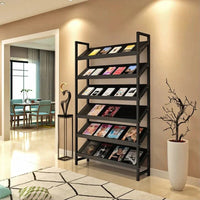
Bookcase Storage Cabinet 71 in Tall for Home Office
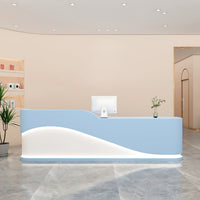
Curved Reception Desk 47-94 in Wide with Keyboard Tray, File Drawers & LED Lighting
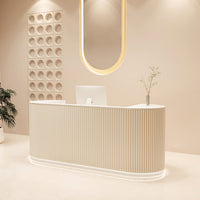
Curved Reception Desk 63-142 in Wide with Keyboard Tray, File Drawers & Fluted Front
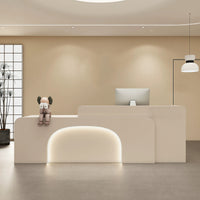
Curved Reception Desk 47-150 in Wide with LED Lighting, Keyboard Tray & File Drawers

Ergonomic Office Chair with Swivel, Curved & Dual-Tone for Home Office

Modern Executive Desk with Wireless Charging, Built-In Outlets & Side Storage

Modern Executive Desk 25-110 in Wide with Side Storage for Home Office
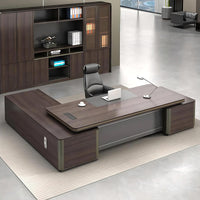
Modern Executive Desk 22-126 in Wide with Curved & Cable Management for Home Office
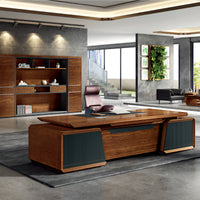
Modern Executive Desk 28-142 in Wide with Walnut for Home Office

Content Menu ● Understanding the Needs of Growing Teams >> The Challenges of Growth in Team Dynamics >> Limitations of Standard Storage Solutions ● What Are Customizable Storage Cabinets? >> Definition and Features >> Types of...
Aug 24, 2025
Content Menu ● Table of Contents ● Introduction ● Purpose and Usage Context >> Office Storage Cabinets >> Home Storage Solutions ● Design and Aesthetics >> Office Storage Cabinets >> Home Storage Solutions ● Material and Durability >> Office Storage...
Aug 21, 2025
Content Menu ● Understanding Minimalist Office Layouts >> What Defines a Minimalist Office? >> Importance of Storage Cabinets in Minimalist Offices ● Key Features to Look for in Storage Cabinets for Minimalist Offices >> Sleek...
Aug 21, 2025