Select a checkout option below
Your cart is currently empty.
Continue shopping
 kaguyasu
Content Menu
● Understanding Ergonomics in Reception Desks
>> Why Ergonomics Matter at Reception
● Adjustable and Flexible Desk Features
>> Height Adjustability
>> Adaptable Work Surfaces
>> Accessibility and Inclusivity
● Spatial Layout and Comfort
>> Legroom and Mobility
>> Clearance for Equipment
>> Visitor Interaction Zones
● Posture Considerations for Receptionists
>> Supporting Neutral Posture
>> Seating vs. Standing Options
>> Encouraging Movement
● Additional Ergonomic Enhancements
>> Proper Lighting
>> Noise Control and Environment
>> Organization and Storage
● How Ergonomic Reception Desks Enhance Workplace Health and Productivity
● Frequently Asked Questions (FAQ)
Reception desks serve as both a functional workspace and a point of contact between visitors and a business. To ensure comfort, efficiency, and health for receptionists who often spend long hours at these desks, ergonomic design is essential. An ergonomically designed reception desk not only enhances the well-being of staff but also creates a welcoming environment for visitors. This article explores key ergonomic features to consider when selecting or designing a reception desk, focusing on adjustability, spatial layout, posture, and accessibility.

Ergonomics refers to designing workspaces that fit the needs and comfort of the user, minimizing strain and promoting productivity. In the context of reception desks, ergonomics considers factors such as desk height, legroom, reachability of essential tools, and posture support to prevent musculoskeletal disorders and discomfort.
Receptionists perform various tasks including typing, writing, answering phones, and interacting with visitors. Poor ergonomics can lead to discomfort, fatigue, and even long-term injuries such as repetitive strain injuries and back pain. An ergonomic reception desk reduces these risks by creating a workspace that supports natural body posture and allows frequent movements without strain.
One of the fundamental ergonomic features is the ability to adjust the desk height. Receptionists vary in height, and a fixed-height desk often does not meet all users' needs. Adjustable desks allow users to set the desk at an ideal height for seated or standing work, promoting proper wrist positioning and reducing neck strain when viewing computer screens.
Common height ranges include about 28-30 inches for seated receptionists and 34-42 inches for standing receptionists. Desks with electric motors or manual adjustments provide flexibility to accommodate multiple users and different working postures.
Receptionists often multitask involving writing, typing, and managing appointments or documents. Multi-tier desk surfaces, slide-out trays for keyboards, or modular segments allow users to efficiently manage work materials within easy reach. Such adaptability minimizes awkward stretching and promotes a more efficient workflow.
Reception desks should accommodate all employees, including those with disabilities. Features such as counters with lowered sections for wheelchair users and accessible technology interfaces align with inclusivity standards and legal requirements. This also enhances the interaction experience for visitors with mobility challenges.
Adequate legroom beneath the desk is critical to allow receptionists freedom of movement. Generous space helps avoid cramping, enables shifting positions, and can accommodate ergonomic accessories like footrests. Encouraging small movements during work reduces musculoskeletal strain and increases comfort.
Reception areas house phones, computers, document trays, and other peripherals. The desk should offer logical and accessible space for these items to minimize excessive reaching or awkward postures. Integrated cable management reduces clutter and potential tripping hazards, contributing to an organized and safe workspace.
Reception desks serve a dual function as a workstation and a point of interaction with visitors. Desk height and counter design should facilitate comfortable communication, ideally placing receptionist and visitors at the same eye level. Features like lower counter sections or rounded edges improve accessibility for standing or seated visitors, including those in wheelchairs, fostering an inclusive and friendly reception experience.
An ergonomic design encourages receptionists to maintain a neutral posture where the wrists are straight, elbows are close to the body and bent at about 90 degrees, and the back is supported with a slight curve. The computer screen should be positioned at eye level to avoid neck strain from looking down or up.
Reception desks vary according to the nature of tasks and customer interaction length. For brief visitor interactions, standing workstations may be preferred, promoting alertness and movement. For longer interactions or high volume of seated visitors, adjustable seating with ergonomic chairs that support the lower back is advisable. When visitors are seated, staff seating at an equal level fosters better communication and comfort.
Encouraging receptionists to change posture frequently by alternating between sitting and standing reduces the risk of fatigue and promotes circulation. Adjustable desks with sit-stand capabilities support this variation and contribute to better overall health.
Lighting affects comfort and productivity. Reception desks should be positioned to receive ample natural light or have dedicated task lighting to reduce eye strain and enhance focus. Avoiding glare on computer screens is equally important.
Acoustic considerations, such as sound-absorbing materials near the reception area, help create a calmer atmosphere reducing stress for receptionists and visitors alike.
Incorporating drawers, shelves, and compartments within easy reach helps keep the desk organized, reduces the need to stretch or twist frequently, and supports efficient workflow.
An ergonomic reception desk is an investment in employee well-being and productivity. By reducing musculoskeletal disorders, improving comfort, and supporting mental well-being through a pleasant work environment, ergonomic design lowers absenteeism and boosts morale. It also leaves a positive impression on visitors, reflecting a company's commitment to quality and care.
Q1: What is the ideal height for a reception desk?
A1: The ideal height varies depending on whether the receptionist is seated or standing. For seated receptionists, heights between 28 and 30 inches are recommended, while standing desks range from 34 to 42 inches. Adjustable desks can accommodate varying needs.
Q2: Why is legroom important at a reception desk?
A2: Ample legroom allows receptionists to move freely, change positions, and use ergonomic accessories, which reduces strain and improves comfort during long work periods.
Q3: How can a reception desk accommodate visitors with disabilities?
A3: Including lower counter sections and ensuring enough space for wheelchair access makes reception desks more inclusive and compliant with accessibility standards.
Q4: Should receptionists sit or stand while working?
A4: Both options are beneficial depending on the nature of the work and visitor interaction time. Adjustable sit-stand desks allow receptionists to alternate postures, reducing fatigue and promoting health.
Q5: How does ergonomic design affect productivity?
A5: Ergonomic desks reduce physical discomfort and distractions, enabling receptionists to focus better and work more efficiently, leading to increased productivity.

[1](https://kaguyasu.com/blogs/blog/what-makes-a-modern-reception-desk-ergonomically-designed)
[2](https://isku.com/en/the-benefits-of-a-good-and-ergonomic-desk-setup/)
[3](https://ergokinox.com/en/what-posture-should-be-favored-for-a-reception-desk/)
[4](https://www.studioforma.ca/reception-desk-height/)
[5](https://adtworkplace.com/impact-of-ergonomic-design-on-workplace-health/)
[6](https://m2-retail.com/blogs/news/the-role-of-ergonomics-in-office-reception-desk-design)
[7](https://archicfurniture.com/blogs/furniture/receptionist-desk-size)
[8](https://fmgi.com/ergonomic-furnitures-impact-on-workplace-productivity/)
[9](https://www.mayoclinic.org/healthy-lifestyle/adult-health/in-depth/office-ergonomics/art-20046169)
[10](https://m2-retail.com/blogs/news/ergonomic-reception-counters-comfort-for-your-staff-and-clients)
Hot Tags: China, Global, OEM, private label, manufacturers, factory, suppliers, manufacturing company

Leather Executive Office Chair with Genuine Leather, Solid Wood & Lumbar Support

Mesh Ergonomic Office Chair with Breathable Mesh & Lumbar Support for Executive Office
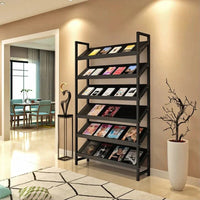
Bookcase Storage Cabinet 71 in Tall for Home Office
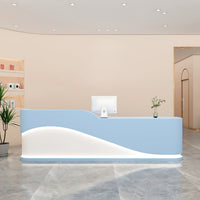
Curved Reception Desk 47-94 in Wide with Keyboard Tray, File Drawers & LED Lighting
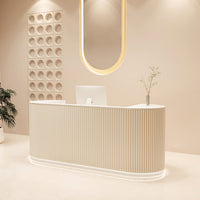
Curved Reception Desk 63-142 in Wide with Keyboard Tray, File Drawers & Fluted Front
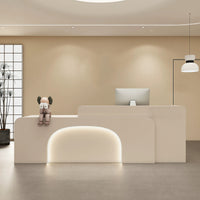
Curved Reception Desk 47-150 in Wide with LED Lighting, Keyboard Tray & File Drawers

Ergonomic Office Chair with Swivel, Curved & Dual-Tone for Home Office

Modern Executive Desk with Wireless Charging, Built-In Outlets & Side Storage

Modern Executive Desk 25-110 in Wide with Side Storage for Home Office

Modern Conference Table 59-91 in Wide (4.9-7.6 ft) with Built-In Outlets & Lumbar Support
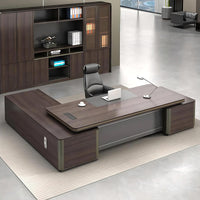
Modern Executive Desk 22-126 in Wide with Curved & Cable Management for Home Office
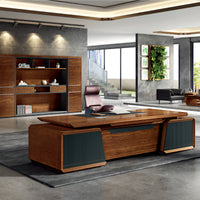
Modern Executive Desk 28-142 in Wide with Walnut for Home Office

Content Menu ● Understanding Brand Identity in Reception Design >> What Is Brand Identity? >> Why Reception Desks Matter for Branding ● Key Elements to Reflect Brand Identity in Reception Desks >> Incorporating Brand Colors...
Oct 10, 2025
Content Menu ● Understanding the Role of the Reception Desk >> Key Functions of a Reception Desk ● Principles for Matching Reception Desk and Office Furniture >> Establishing a Cohesive Color Scheme >> Coordinating Materials...
Oct 10, 2025
Content Menu ● Introduction to Minimalist Reception Desks ● Design Philosophy of Minimalist Reception Desks >> Emphasizing Simplicity and Functionality >> Key Design Elements ● Core Elements of Minimalist Office Reception Design >> Balance and Proportion...
Oct 09, 2025