
Select a checkout option below
Your cart is currently empty.
Continue shopping
Content Menu
● Understanding the Environmental Impact of Office Sofas
>> The Life Cycle of an Office Sofa
● Materials and Their Environmental Impact
>> Wood and Frame Materials
>> Foam and Cushioning
>> Upholstery Fabrics
● Manufacturing and Energy Use
>> Energy Sources and Emissions
>> Chemical Treatments and Pollution
● Transportation and Carbon Footprint
● Usage and Maintenance Impact
● End-of-Life and Waste Management
>> Recyclability and Upcycling
>> Waste and Pollution Concerns
● How to Choose Environmentally Friendly Office Sofas?
>> Prioritize Sustainable Materials
>> Consider Durability and Longevity
>> Support Ethical Manufacturing
>> Explore Second-Hand or Refurbished Options
>> Plan for End-of-Life
● Frequently Asked Questions (FAQs)
>> 1. What are the most environmentally harmful materials in office sofas?
>> 2. How can businesses reduce the carbon footprint of office sofas?
>> 3. Are there eco-friendly alternatives to traditional foam in sofas?
>> 4. Can office sofas be recycled?
>> 5. What certifications should I look for when buying an eco-friendly office sofa?
In today's business environment, offices are becoming more than just desks and computers—they are designed to foster collaboration, comfort, and creativity. Office sofas have become a popular addition to workplaces, providing employees and visitors with comfortable seating areas. However, like many products, office sofas have an environmental footprint that often goes unnoticed. This article explores the environmental impact of office sofas, breaking down their life cycle, material choices, manufacturing processes, and end-of-life considerations. By understanding these factors, businesses can make more sustainable decisions when furnishing their offices.

Office sofas, while seemingly simple pieces of furniture, have complex environmental impacts stemming from their material sourcing, production, transportation, usage, and disposal.
An office sofa's environmental impact begins long before it arrives at your office:
- Material extraction: Natural resources used for fabric, wood, metal, and foam.
- Manufacturing: Energy and chemicals used during construction.
- Transportation: Emissions generated while moving sofas from factories to warehouses.
- Usage: The energy or resources used during the sofa's lifespan for maintenance.
- End-of-life: Disposal or recycling processes that determine waste or material recovery.
Each stage carries its own set of environmental challenges, which can add up to a significant ecological footprint.
What goes into an office sofa matters significantly when considering environmental impacts. The choice of materials influences the sofa's carbon footprint, pollutant emissions, and recyclability.
The frame of many office sofas is typically made from wood or metal.
- Wood: Sourced from forests, wood can be sustainable if it comes from certified forests (like FSC-certified wood). However, illegal logging or deforestation for wood production can cause habitat loss, biodiversity decline, and increased carbon emissions.
- Metal: Often steel or aluminum, metal frames require intensive mining and processing which consume significant amounts of energy and produce greenhouse gases.
Choosing recycled or sustainably sourced wood and metal can reduce the environmental burden.
Foam is often used in seat cushions and padding, commonly derived from petroleum-based polyurethane.
- Environmental concerns: Foam production involves toxic chemicals, uses fossil fuels, and releases volatile organic compounds (VOCs).
- Alternatives: Natural foams like latex sourced from rubber trees or soy-based foams are more environmentally friendly options.
Durable foam extends sofa life, reducing waste from frequent replacement.
The fabric covering sofas varies widely—from synthetic fibers like polyester to natural fibers like cotton, wool, or leather.
- Synthetic fabrics: Made from petrochemicals; their production is energy-intensive and leads to microplastic pollution through wear and washing.
- Natural fabrics: Cotton farming can be resource-heavy, requiring large amounts of water and pesticides. Leather production raises ethical and environmental issues related to livestock farming and tanning processes.
- Sustainable choices: Organic cotton, recycled polyester, or fabric blends with low-impact dyes can reduce environmental harm.
Choosing upholstery with certifications for low emissions and sustainable production benefits indoor air quality and reduces pollution.
The production of office sofas generally requires significant energy consumption and chemical use, which adds to environmental degradation.
Factories producing sofas may rely on fossil fuels, resulting in greenhouse gas emissions linked to global warming.
- Using renewable energy in manufacturing plants can reduce carbon footprints.
- Efficient production processes and waste reduction initiatives help cut down energy needs.
To make sofas durable and fire-resistant, chemical treatments are applied, many of which can release harmful pollutants.
- Flame retardants, dyes, and adhesives may contain hazardous substances affecting workers and the environment.
- Cleaner production techniques and the use of non-toxic chemicals are vital.
Transporting office sofas from manufacturing locations (often overseas) to offices globally contributes to greenhouse gas emissions.
- Larger, heavier sofas require more fuel to ship.
- Local sourcing or manufacturing closer to end-users can cut transportation emissions.
- Efficient logistics and consolidated shipping reduce environmental impacts.
While sofa usage has a relatively small direct environmental footprint, maintenance practices influence the overall impact.
- Cleaning products may contain harsh chemicals and VOCs.
- Durable sofas that last longer reduce the need for frequent replacement, leading to less waste.
Disposal of office sofas is a critical point in their environmental impact. Many sofas end up in landfills, contributing to waste and pollution.
- Sofas constructed from separable, recyclable materials can be broken down and reused.
- Some materials (foam, treated fabrics) are difficult to recycle, leading to accumulation in landfills.
- Upcycling older sofas into new furniture or donating them extends their lifespan.
- Landfilled sofas take up space and degrade slowly.
- Chemical treatments in sofas can leach into soil and groundwater.
- Encouraging proper disposal methods and recycling infrastructure helps minimize environmental harm.
Armed with the knowledge of environmental impacts, companies can make smarter, greener decisions when selecting office sofas.
- Seek sofas made from FSC-certified wood.
- Look for natural, biodegradable fabrics or recycled textiles.
- Choose sofas with low-VOC finishes and non-toxic adhesives.
Investing in high-quality sofas that last longer can reduce the environmental impact caused by frequent replacement.
- Choose manufacturers transparent about their environmental policies.
- Favor those using renewable energy and waste reduction strategies.
Pre-owned office furniture significantly lessens environmental burden by reusing existing materials.
Ensure sofas are recyclable or biodegradable and inquire about take-back programs.

The petroleum-based foams and synthetic fabrics, due to their production processes and difficulty in recycling, are among the most environmentally harmful materials.
By choosing locally made sofas, prioritizing sustainable or recycled materials, and ensuring long-term durability, businesses can minimize the carbon footprint.
Yes, natural latex foam and soy-based foams are more sustainable alternatives compared to conventional polyurethane foams.
Only sofas made from separable and recyclable materials can be properly recycled. Many components like foam and chemically treated fabrics make recycling difficult without specialized programs.
Look for FSC certification for wood, Oeko-Tex or GOTS for fabrics (indicating low chemical use), and GREENGUARD certification for low VOC emissions.
Hot Tags: China, Global, OEM, private label, manufacturers, factory, suppliers, manufacturing company

Leather Executive Office Chair with Genuine Leather, Solid Wood & Lumbar Support

Mesh Ergonomic Office Chair with Breathable Mesh & Lumbar Support for Executive Office
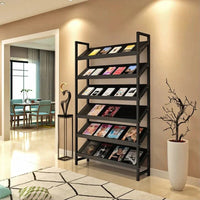
Bookcase Storage Cabinet 71 in Tall for Home Office
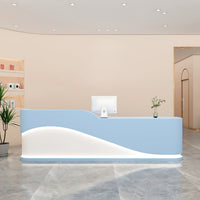
Curved Reception Desk 47-94 in Wide with Keyboard Tray, File Drawers & LED Lighting
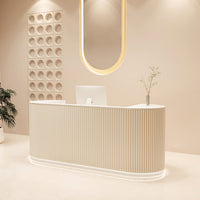
Curved Reception Desk 63-142 in Wide with Keyboard Tray, File Drawers & Fluted Front
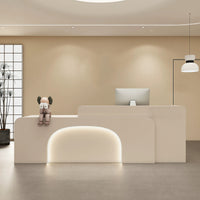
Curved Reception Desk 47-150 in Wide with LED Lighting, Keyboard Tray & File Drawers

Ergonomic Office Chair with Swivel, Curved & Dual-Tone for Home Office

Modern Executive Desk 25-110 in Wide with Side Storage for Home Office
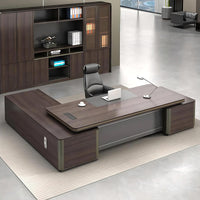
Modern Executive Desk 22-126 in Wide with Curved & Cable Management for Home Office
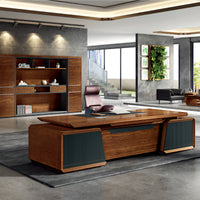
Modern Executive Desk 28-142 in Wide with Walnut for Home Office

Content Menu ● Introduction ● Understanding Sectional Office Sofas >> What Are Sectional Office Sofas? >> The Appeal of Sectional Sofas in Offices ● Design and Functionality of Sectional Office Sofas >> Configurations and Layout Options...
Aug 31, 2025
Content Menu ● Understanding the Role of Office Sofas in Executive Suites >> The Symbolism of Executive Sofas >> Beyond Aesthetics: Functional Importance ● Key Features of Executive Office Sofas >> Style and Design >> Comfort...
Aug 31, 2025
Content Menu ● Understanding Your Needs Before Buying >> Assessing Office Space and Usage >> Mistake #1: Ignoring the Office Layout and Space Constraints ● Prioritizing Comfort and Ergonomics >> Importance of Comfort in Office...
Aug 28, 2025