
Select a checkout option below
Your cart is currently empty.
Continue shopping
Content Menu
● Understanding Office Desk Materials
>> What is Wood Desk Material?
>> What is a Metal Desk?
>> What is Laminate Desk Material?
● Comparative Analysis of Wood, Metal, and Laminate Desks
>> Aesthetic Appeal and Style
>>> Wood – Timeless Elegance
>>> Metal – Modern and Minimalist
>>> Laminate – Versatile and Colorful
>> Durability and Longevity
>>> Wood – Durable When Well-Maintained
>>> Metal – Highly Durable and Low Maintenance
>>> Laminate – Durable Against Surface Damage
>> Cost Considerations
>>> Wood – Higher Initial Investment
>>> Metal – Mid-Range Price Point
>>> Laminate – Budget-Friendly and Accessible
>> Comfort and Practicality
>>> Wood – Comfortable but Heavy
>>> Metal – Lightweight and Mobile
>>> Laminate – Practical and Easy to Clean
>> Environmental Impact
>>> Wood – Renewable but Variable Sustainability
>>> Metal – Recyclable but Energy-Intensive
>>> Laminate – Less Eco-Friendly
● Choosing the Best Office Desk Material for Your Needs
>> Consider Your Workspace Style
>> Assess Your Budget
>> Evaluate Usage and Durability Needs
>> Think About Maintenance
>> Environmental Preferences
● Advantages and Disadvantages in Summary
● Frequently Asked Questions (FAQs)
● Conclusion
Choosing the right material for your office desk can significantly affect your workspace's aesthetic, functionality, durability, and comfort. The desk often serves as the centerpiece of an office, combining form and function—influencing both productivity and mood. Among the most popular materials for office desks are wood, metal, and laminate. Each comes with unique characteristics, benefits, drawbacks, and price points. Understanding the differences can help you make an informed decision that best suits your professional needs and personal style.

Before diving into comparisons, it's useful to get an overview of each material type. This lays the groundwork for understanding how they perform in various settings.
Wood desks are crafted from various types of wood including solid hardwoods like oak, maple, and walnut, as well as engineered wood products such as plywood, particleboard, and MDF (medium-density fiberboard). Solid wood desks are prized for their natural grain, warmth, and durability. Engineered wood desks often come with a veneer finish to imitate the look of natural wood at a more affordable price.
Metal desks primarily use steel or aluminum as their main construction material. Often, these desks feature metal frames combined with other materials for the desktop surface, but some are fully metal. The metal can be powder-coated or painted to resist corrosion and give a polished look.
Laminate desks typically consist of a particleboard or MDF core covered by a durable plastic laminate surface. Laminates can imitate wood grain, stone, or other textures with a wide range of colors and patterns. They are engineered for resistance to scratches, stains, and moisture.
Wood desks exude warmth and timelessness. Solid wood has a naturally rich texture and can be customized through staining or painting. Its classic look makes it ideal for executive offices or home workspaces aiming for a traditional or rustic feel. However, engineered wood can look less refined depending on the veneer quality.
Metal desks lean towards a modern, industrial style. Sleek lines and metallic finishes work well in contemporary, minimalist spaces, and design-conscious environments. Metal furniture can look cold or clinical if not paired with warmer elements like wood or textiles.
Laminate desks are the most versatile stylistically. Given the range of textures and colors available, they can fit in casual offices, creative studios, or classrooms. While laminate can mimic wood or stone, the effect is typically less authentic than real wood.
Solid wood desks can last for generations when properly cared for. They are resistant to everyday wear but vulnerable to scratches, dents, and water damage without protective finishes. Engineered wood materials tend to be less durable and can swell or delaminate if exposed to moisture.
Metal desks are extremely durable and resistant to dents and damage. They do not warp or swell from humidity. Powder-coated metal surfaces resist rust and corrosion. However, the surface can scratch or chip if rough treatment occurs.
Laminate surfaces resist scratches, stains, and moisture better than solid wood. The core particleboard is less durable under heavy weight or impact. Over time, laminate edges may chip or peel, and the surface can discolor if exposed to harsh UV light.
Solid wood desks are typically the most expensive option due to material costs and craftsmanship. Engineered wood desks are cheaper but vary in price depending on the veneer quality. These desks can be an investment because of their longevity.
Metal desks usually fall into the mid-price range. Fully metal desks can be affordable, but designer or specialty metal desks come at a higher cost. The maintenance savings and durability can justify the cost.
Laminate desks are usually the most affordable. This makes them popular for startups, educational institutions, or anyone needing multiple desks on a budget. While they may not have the prestige or ultimate durability, their initial cost-efficiency is appealing.
Wood desks provide a sturdy and solid work surface with a comfortable texture under your hands. They tend to be heavier, making moving more challenging. The wood surface can also feel warmer compared to metal or laminate.
Metal desks can be lighter, especially if designed with tubular frames. They offer stable support but their texture can feel cold to the touch, which might be uncomfortable in cooler climates. They can also cause noise when objects slide on the surface.
Laminate desks are lightweight and easy to clean with a simple wipe-down. The smooth surface minimizes noise, and the material usually stays cool regardless of room temperature. Because of their affordable price, multiple desks can be moved or replaced as business needs change.
Wood is renewable, but the environmental impact depends on sourcing. Sustainable forestry practices and certifications can reduce concerns. Engineered wood uses less hardwood but involves adhesives and chemicals.
Metal can be recycled and reused, which is a significant ecological advantage. However, metal production processes consume considerable energy and resources.
Laminate desks often have plastic components and adhesives that reduce recyclability. They may emit volatile organic compounds (VOCs) during manufacturing. However, their longevity and resistance to damage mean fewer replacements, which can mitigate environmental impact.
- For a classic, warm, and inviting office, wood offers a timeless solution.
- If you prefer sleek, modern, or industrial décor, metal fits that aesthetic.
- For flexible, colorful, or casual spaces, laminate provides variety and affordability.
- Limited budgets tend to favor laminate.
- Mid-range budgets can opt for metal desks.
- Premium budgets often invest in solid wood.
- High-use environments may benefit from metal or laminate for their resilience.
- For a more permanent setup, wood holds value over time.
- Wood requires polishing and protection from water.
- Metal is low-maintenance but may need refinishing if scratched.
- Laminate is easiest to clean but can be damaged by sharp impacts.
- Choose certified sustainable wood if eco-friendliness is important.
- Recycled metal desks support circular economy principles.
- Avoid laminate if you want to minimize synthetic materials.
| Material | Advantages | Disadvantages |
|---|---|---|
| Wood | Durable, warm, timeless | Heavy, expensive, requires care |
| Metal | Strong, low maintenance, modern | Cold to touch, can scratch |
| Laminate | Affordable, easy to clean, versatile | Less durable, may peel or chip |
Q1: Which desk material is best for heavy use?
A1: Metal desks generally withstand heavy wear and tear better than wood and laminate due to their sturdy construction and resistance to dents and warping.
Q2: Are laminate desks easy to repair if damaged?
A2: No, laminate surfaces are difficult to repair if chipped or peeled. You usually need to replace the entire surface or desk.
Q3: Can metal desks be combined with other materials?
A3: Yes, many metal desks use wooden or laminate tops to combine strength with comfort and visual appeal.
Q4: What maintenance do wood desks require?
A4: Wood desks need regular dusting, occasional polishing, and protection from spills and direct sunlight to prevent warping and fading.
Q5: Are laminate desks environmentally friendly?
A5: Laminate desks are generally less environmentally friendly due to synthetic materials and adhesives but can reduce waste by lasting longer than cheaper alternatives.

Deciding among wood, metal, and laminate desks depends heavily on your priorities: aesthetic preferences, budget constraints, durability demands, and environmental considerations. Wood offers long-term beauty and endurance with proper care but at a higher price. Metal excels in robustness and modern style with minimal upkeep, ideal for industrial or minimalist setups. Laminate provides great value, versatile design options, and easy maintenance but sacrifices some durability and authenticity.
By carefully weighing these factors, you can select the office desk material that complements your workspace, supports your productivity, and fits your lifestyle perfectly.
Hot Tags: China, Global, OEM, private label, manufacturers, factory, suppliers, manufacturing company

Leather Executive Office Chair with Genuine Leather, Solid Wood & Lumbar Support

Mesh Ergonomic Office Chair with Breathable Mesh & Lumbar Support for Executive Office
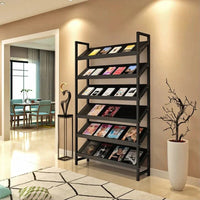
Bookcase Storage Cabinet 71 in Tall for Home Office
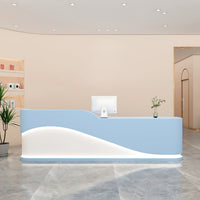
Curved Reception Desk 47-94 in Wide with Keyboard Tray, File Drawers & LED Lighting
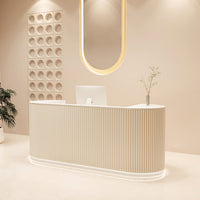
Curved Reception Desk 63-142 in Wide with Keyboard Tray, File Drawers & Fluted Front
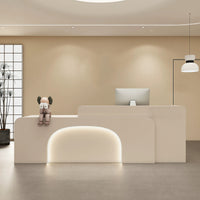
Curved Reception Desk 47-150 in Wide with LED Lighting, Keyboard Tray & File Drawers

Ergonomic Office Chair with Swivel, Curved & Dual-Tone for Home Office

Modern Executive Desk 25-110 in Wide with Side Storage for Home Office
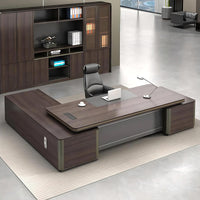
Modern Executive Desk 22-126 in Wide with Curved & Cable Management for Home Office
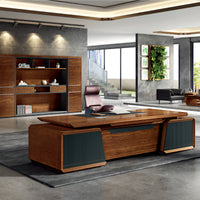
Modern Executive Desk 28-142 in Wide with Walnut for Home Office

Content Menu ● Understanding Your Work Style >> What Is Your Primary Activity at the Desk? >> Are You a Solo Worker or Collaborative? >> How Much Space Do You Have? ● Key Features to...
Sep 03, 2025
Content Menu ● Why Choosing the Right Desk Matters for Small Workspaces ● Key Features to Look for in Small Office Desks >> Ergonomic Design for Comfort >> Compact Footprint and Space Efficiency >> Multi-Functionality...
Sep 02, 2025
Content Menu ● Understanding Traditional Office Desks >> What Are Traditional Office Desks? >> Advantages of Traditional Office Desks >> Challenges of Traditional Office Desks ● Exploring Standing Desks >> What Are Standing Desks? >> Benefits of...
Sep 02, 2025