
Select a checkout option below
Your cart is currently empty.
Continue shopping
Content Menu
● Understanding Your Work Style
>> What Is Your Primary Activity at the Desk?
>> Are You a Solo Worker or Collaborative?
>> How Much Space Do You Have?
● Key Features to Consider When Choosing a Desk
>> Desk Size and Shape
>>> Common Desk Shapes
>> Storage Options
>> Ergonomics and Comfort
● Exploring Different Types of Office Desks
>> Traditional Desks
>> Modern and Minimalist Desks
>> Adjustable and Sit-Stand Desks
>> Collaborative Work Desks
>> Specialized Desks
● Materials and Durability
>> Wood Desks
>> Metal Desks
>> Glass Desks
>> Composite Materials
● Setting Up Your Desk for Maximum Productivity
>> Organizing Your Desk Surface
>> Cable Management
>> Lighting Considerations
>> Personalization and Comfort
● Budget Considerations
● Making the Final Decision
● Frequently Asked Questions
Choosing the right office desk is an essential step to creating a productive and comfortable workspace. Your desk is more than just a piece of furniture; it's where you spend a significant part of your day, working, organizing, and sometimes even relaxing. With so many options available, selecting the ideal desk that matches your work style can be overwhelming. This comprehensive guide will help you understand the factors to consider, different desk types, and how to personalize your workstation to suit your needs.

Before diving into the myriad of desks on the market, it's crucial to analyze your work style. Different professionals have distinct needs when it comes to functionality, space, and comfort.
Think about what you mostly do at your desk. Are you primarily typing on a computer, sketching, writing, or meeting with clients? Your main tasks will heavily influence the desk type you should choose.
- Computer-Based Work: Requires ample surface space for monitors, keyboard, mouse, and possibly multiple screens.
- Creative or Artistic Work: May require an expansive surface area for drawing or drafting, along with storage for materials.
- Administrative or Paperwork-Heavy Tasks: Focus on organization, with drawers or filing cabinets to keep papers sorted.
If you typically work alone, a compact desk designed for solo productivity might work best. If you regularly collaborate or hold meetings at your workspace, consider desks designed for group interactions or modular setups.
The size of your room or office will greatly restrict or expand your choices. A large corner desk might be perfect for a spacious office but impractical for a small room.
Once you've assessed your work style, the next step is identifying the features that your desk must have.
pace planning is vital. Consider the available room and how much surface area your daily tasks require.
Rectangular Desks: Standard, versatile, fits most spaces.
- L-Shaped Desks: Perfect for corner setups and dual-task environments, offering more surface space.
- U-Shaped Desks: Great for multitasking with three connected sides but require ample room.
- Compact Desks: Designed for small spaces; usually minimalistic.
torage can keep your workspace tidy, reducing distractions.
- Drawers: Ideal for storing office supplies and smaller items.
- Shelves: Great for books, files, and decorative items.
- File Cabinets: Necessary if your work involves lots of paperwork.
- Integrated Storage: Desks with built-in compartments optimize space and organization.
he desk should support your physical well-being.
- Height: Standard desks are about 29-30 inches tall; adjustable desks allow for customization.
- Legroom: Ample space beneath the desk enables comfort and movement.
- Compatibility with Chairs: Ensure your chair fits well with the desk height.
- Standing Desks: Consider if you want to alternate between sitting and standing.
Various desk styles cater to different work types and environments.
olid wood or metal desks with classic designs. Suitable for formal office settings.
lean lines, sleek surfaces, often made with metal, glass, or engineered wood. Perfect for contemporary workspaces.
llow users to switch between sitting and standing positions, promoting better posture and health.
esigned for multiple users, often large tables or modular systems to facilitate teamwork.
Drafting Tables: For architects or designers, with adjustable angled surfaces.
- Gaming Desks: With features tailored to gaming setups, often with increased cable management and space for multiple screens.
The materials used in your desk impact both aesthetics and longevity.
Solid Wood: Durable and timeless but more expensive.
- Engineered Wood: More affordable, can mimic solid wood, but may be less durable.
- Veneer: Offers a wood finish look on a less expensive core.
ighly durable, industrial style, good for heavy-duty use.
odern and stylish but can show dust easily and be fragile.
ften combine plastic, metal, and engineered wood to balance cost and durability.
Choosing the desk is just the first part. How you arrange tools and accessories on and around it affects your workflow.
Avoid clutter by limiting what stays on your desktop. Essentials might include your computer, a lamp, note pads, and a few personal items.
Use cable trays, clips, or sleeves to keep wires out of sight and safe from tangling.
Place your desk near natural light or use adjustable desk lamps to reduce eye strain.
Add personal touches like photos, plants, or desk organizers that make your workspace inviting without cluttering.
Office desks come in a wide range of prices. Set a realistic budget that accounts for:
- Desk quality and material
- Size and features
- Additional ergonomic accessories (like monitor stands or keyboard trays)
Remember that investing in a good desk can improve health and productivity, justifying a higher upfront cost.
Before making a purchase:
- Measure your available space carefully.
- Test desk height and comfort if possible.
- Check product reviews or get recommendations.
- Consider delivery and assembly options.

Q1: What is the best desk height for ergonomic comfort?
A1: The ideal desk height is generally around 29-30 inches (73-76 cm), but adjustable desks allow you to customize this to your height and preferred sitting or standing position.
Q2: Are L-shaped desks better for productivity?
A2: L-shaped desks provide larger surface areas and allow separation of tasks, which can enhance productivity, especially for multitaskers or those needing multiple monitors.
Q3: How do I choose a desk if I have limited space?
A3: Opt for compact or wall-mounted desks that maximize vertical storage. Corner desks or foldable desks also work well in small spaces.
Q4: Should I invest in a standing desk?
A4: If you spend many hours at your desk and want to reduce the health risks of prolonged sitting, a standing or sit-stand desk is a good investment.
Q5: What materials are easiest to clean and maintain?
A5: Metal and laminate desks are generally easier to clean and maintain than glass or untreated wood.
Hot Tags: China, Global, OEM, private label, manufacturers, factory, suppliers, manufacturing company

Leather Executive Office Chair with Genuine Leather, Solid Wood & Lumbar Support

Mesh Ergonomic Office Chair with Breathable Mesh & Lumbar Support for Executive Office
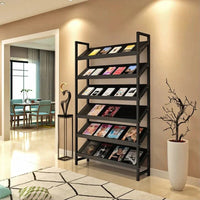
Bookcase Storage Cabinet 71 in Tall for Home Office
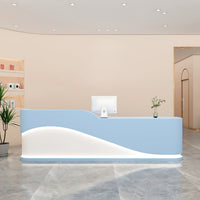
Curved Reception Desk 47-94 in Wide with Keyboard Tray, File Drawers & LED Lighting
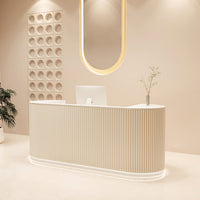
Curved Reception Desk 63-142 in Wide with Keyboard Tray, File Drawers & Fluted Front
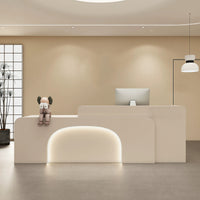
Curved Reception Desk 47-150 in Wide with LED Lighting, Keyboard Tray & File Drawers

Modern Executive Desk 25-110 in Wide with Side Storage for Home Office
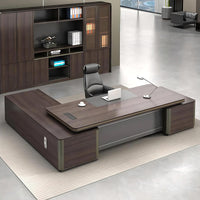
Modern Executive Desk 22-126 in Wide with Curved & Cable Management for Home Office
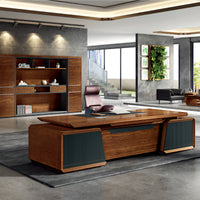
Modern Executive Desk 28-142 in Wide with Walnut for Home Office

Content Menu ● What is an L-shaped Executive Desk? ● Why Choose an L-shaped Executive Desk? >> Maximized Workspace >> Space Efficiency >> Enhanced Organization >> Professional Appearance ● Key Considerations When Buying an L-Shaped Executive Desk...
Aug 17, 2025
Content Menu ● Understanding the Desk Designs >> What is an L-shaped Executive Desk? >> What is a U-shaped Desk? ● Space Utilization and Layout >> L-shaped Desk Space Usage >>> Benefits of Corner Placement >> U-shaped...
Aug 17, 2025
Content Menu ● Benefits of L-Shaped Executive Desks >> Maximized Workspace for Multitasking >> Efficient Use of Office Corners >> Enhanced Ergonomics and Comfort >> Ample Storage Options >> Increased Productivity >> Stylish and Professional Appearance ● Design...
Aug 14, 2025