
Select a checkout option below
Your cart is currently empty.
Continue shopping
Content Menu
● Understanding Office Desks: The Basics
>> What is a Traditional Desk?
>> What is a Modern Office Desk?
● Key Differences Between Modern and Traditional Office Desks
>> Design Aesthetics and Style
>> Traditional Desk Design
>>> Modern Desk Design
>> Construction Materials and Durability
>> Materials in Traditional Desks
>>> Materials in Modern Desks
>> Functionality and Features
>> Traditional Desk Features
>>> Modern Desk Features
>> Ergonomics and Comfort
>>> Ergonomics in Traditional Desks
>>> Ergonomics in Modern Desks
>> Suitability for Different Workspace Environments
>> Traditional Desks—Best for Formal and Executive Spaces
>>> Modern Desks—For Dynamic, Collaborative, and Tech-Driven Offices
● Pros and Cons of Modern Office Desks vs Traditional Desks
>> Traditional Desks
>> Modern Office Desks
● How to Choose Between Modern and Traditional Office Desks?
● Frequently Asked Questions (FAQ)
● Conclusion
In today's rapidly evolving work environment, the choice of office furniture, especially desks, plays a critical role in determining the productivity and comfort of employees. Office desks are no longer just functional pieces of furniture; they now reflect aesthetics, technology integration, and ergonomic design. This article dives deep into the differences between modern office desks and traditional desks, exploring their features, benefits, drawbacks, and how each can suit different work styles and office settings. By understanding these distinctions, businesses and individuals can make informed decisions when selecting the ideal desk for their workspace.

Before comparing modern office desks and traditional desks, it's essential to understand what defines each category. Both types serve the fundamental purpose of providing a surface for work-related activities, but their design philosophies, materials, and utility diverge significantly.
Traditional desks are rooted in classic furniture design principles. They often feature solid wood construction or wood veneer, rich detailing like carved legs or ornate handles, and a more substantial, heavier feel. These desks emphasize craftsmanship, durability, and timeless aesthetics, often aligning with a formal office environment or executive settings.
Modern office desks are characterized by minimalist design, lightweight materials, and a focus on adaptiveness. They typically incorporate metals, glass, engineered woods, or composite materials. Modern desks often integrate technology with features like built-in cable management, adjustable heights, and modular components that support flexible workspaces and contemporary office layouts.
***
To fully appreciate the distinction, it's helpful to break down the differences across various dimensions including design, materials, functionality, ergonomics, and suitability.
raditional desks often showcase an elegant and stately appearance. They embrace classic design elements such as:
- Rich wood tones like cherry, mahogany, or walnut.
- Detailed craftsmanship, including carved accents and decorative moldings.
- Bulky and substantial frames that suggest permanence and authority.
- Classic drawer layouts for storage, sometimes with hidden compartments.
The overall vibe is often warm, formal, and timeless—suitable for formal office setups, law firms, or executive offices that value tradition.
n contrast, modern desks prioritize sleekness and simplicity:
- Clean lines and minimal ornamentation.
- Neutral or bold solid colors like white, black, or metallic finishes.
- Use of industrial materials such as steel, tempered glass, or laminate.
- Open designs that promote visual spaciousness.
- Compact forms respecting small or shared office spaces.
Modern desks focus on a contemporary, fresh approach that fits tech-driven and dynamic workplaces.
he hallmark of traditional desks is hardwood construction, prized both for durability and beauty:
- Solid wood or wood veneers that emphasize natural grain patterns.
- Heavy, dense components that can last decades.
- Sometimes hand-finished surfaces and joinery techniques.
However, these materials often mean heavier desks that are harder to move and may require regular maintenance such as polishing.
odern desks leverage a variety of materials tailored for function and flexibility:
- Metals like aluminum or steel frames for sturdiness without bulk.
- Engineered woods like MDF or particleboard with laminate surfaces for cost-efficiency.
- Glass surfaces for an airy, clean feel.
- Plastic composites for lightweight and easy maintenance.
These desks might sacrifice some traditional charm but focus on practicality and adaptability.
hile traditionally less focused on tech integration, many traditional desks provide ample storage:
- Multiple drawers and sometimes added compartments for documents.
- Pull-out keyboard trays in some designs.
- Strong, flat work surfaces fitting for paperwork.
However, they tend to lack built-in features for cable management or technology accessories.
odern office desks often come with built-in solutions for the tech-heavy workspace:
- Cable management grommets and channels.
- Adjustable height options, including sit-stand desks.
- Modular sections to add storage or accessories.
- Integrated charging stations or monitor arms.
This flexibility allows workers to customize their workspace for comfort and productivity.
he rise of awareness around ergonomics has heavily influenced modern desk design, contrasting with more traditional ergonomics approaches.
raditional desks typically focus less on ergonomic adaptation:
- Fixed desk heights usually around 29-30 inches.
- Larger leg space but may not support adjustable seating or monitor heights.
- Limited compatibility with ergonomic accessories.
While solid and stable, traditional desks may not fully support modern workplace health needs.
rgonomics is a cornerstone of modern office desks:
- Adjustable height desks enabling sit-stand work routines.
- Rounded edges and optimized work surface depth to reduce strain.
- Compatibility with ergonomic chairs and monitor setups.
- Designs encouraging active movement and posture changes.
This focus helps reduce musculoskeletal issues and fosters employee wellness.
raditional desks are ideal in environments where image and formality matter:
- Executive offices or managerial suites.
- Classic law firms, government offices, or traditional institutions.
- Spaces emphasizing long-term investment in quality furniture.
Their presence speaks to status and a respect for heritage.
odern desks shine in fast-paced or collaborative settings:
- Co-working spaces and shared offices.
- Startups and tech companies needing adaptable workstations.
- Home offices with limited space requiring multi-functional furniture.
They support diverse work styles and fluid office layouts.
To summarize, here are the primary advantages and disadvantages of both desk types.
Pros:
- Timeless design that adds sophistication.
- Solid materials with high durability.
- Ample storage for documents and office tools.
Cons:
- Bulky and heavy, challenging to move.
- Limited adaptability or technology integration.
- Less ergonomic flexibility.
Pros:
- Lightweight and easier to reposition.
- Designed with modern technology and ergonomics in mind.
- Modular and customizable to fit various office layouts.
Cons:
- May use less durable materials.
- Can lack the classical charm some offices desire.
- Some designs may compromise surface sturdiness for style.
Choosing between modern and traditional desks depends on multiple factors:
- Office Aesthetic: Does the space call for classic elegance or contemporary minimalism?
- Functionality Needs: Will the desk support high-tech equipment or mostly paperwork?
- Ergonomic Requirements: Do users need adjustable desks for health reasons?
- Space Constraints: Is the office area compact or expansive?
- Budget: Traditional solid wood desks typically cost more upfront, while modern desks offer varied price points.
- Longevity vs Flexibility: Traditional desks offer lasting quality; modern desks provide adaptability.
Evaluating these criteria helps find a desk that aligns with your organizational culture and workflow.
Q1: Are modern office desks more expensive than traditional desks?
A1: Not necessarily. Modern desks come in a wide price range—from affordable laminate desks to premium adjustable sit-stand models. Traditional desks made from solid hardwood tend to be more expensive due to material and craftsmanship.
Q2: Can I integrate technology easily with traditional desks?
A2: Traditional desks usually lack built-in cable management or charging ports, but you can add external accessories. However, modern desks generally offer better technology integration from the start.
Q3: Which desk type is better for ergonomics?
A3: Modern desks often provide better ergonomic options including height adjustment and modular accessories, making them superior for health-focused workspaces.
Q4: Are traditional desks difficult to maintain?
A4: Traditional desks require regular polishing and care to maintain wood quality, while modern desks typically use materials that are easier to clean and maintain.
Q5: Can modern desks fit in a formal office setting?
A5: Yes, some modern desks feature elegant minimalist designs that can complement formal settings, especially when paired with suitable chairs and decor.

The difference between modern office desks and traditional desks extends beyond mere appearance. Modern desks epitomize innovation, flexibility, and technology support, while traditional desks uphold lasting craftsmanship, sophistication, and timeless style. Understanding these distinctions helps businesses and individuals create workspaces that not only look great but also support productivity, comfort, and employee well-being. Whether your priority is classic gravitas or contemporary convenience, selecting the right desk is a fundamental step toward optimized workplace design.
Hot Tags: China, Global, OEM, private label, manufacturers, factory, suppliers, manufacturing company

Leather Executive Office Chair with Genuine Leather, Solid Wood & Lumbar Support

Mesh Ergonomic Office Chair with Breathable Mesh & Lumbar Support for Executive Office
Bookcase Storage Cabinet 71 in Tall for Home Office
Curved Reception Desk 47-94 in Wide with Keyboard Tray, File Drawers & LED Lighting
Curved Reception Desk 63-142 in Wide with Keyboard Tray, File Drawers & Fluted Front
Curved Reception Desk 47-150 in Wide with LED Lighting, Keyboard Tray & File Drawers

Ergonomic Office Chair with Swivel, Curved & Dual-Tone for Home Office

Modern Executive Desk 25-110 in Wide with Side Storage for Home Office
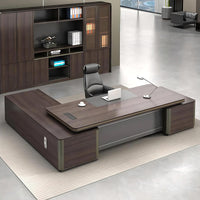
Modern Executive Desk 22-126 in Wide with Curved & Cable Management for Home Office
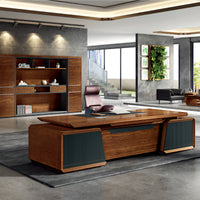
Modern Executive Desk 28-142 in Wide with Walnut for Home Office

Content Menu ● Understanding Your Work Style >> What Is Your Primary Activity at the Desk? >> Are You a Solo Worker or Collaborative? >> How Much Space Do You Have? ● Key Features to...
Sep 03, 2025
Content Menu ● Why Choosing the Right Desk Matters for Small Workspaces ● Key Features to Look for in Small Office Desks >> Ergonomic Design for Comfort >> Compact Footprint and Space Efficiency >> Multi-Functionality...
Sep 02, 2025
Content Menu ● Understanding Traditional Office Desks >> What Are Traditional Office Desks? >> Advantages of Traditional Office Desks >> Challenges of Traditional Office Desks ● Exploring Standing Desks >> What Are Standing Desks? >> Benefits of...
Sep 02, 2025