
My office
Your cart (0)
Your cart is ready for a fresh start.
Explore office furniture designed for focused, comfortable work.
Continue shoppingMy office
Explore office furniture designed for focused, comfortable work.
Continue shoppingContent Menu
● Defining the Role of the Executive Desk in Your Brand
● Selecting Materials: Wood, Metal, Stone, and Composites
● Proportions and Scale: Size Matters
● Desk Shapes and Configurations
● Finishes and Color Palettes
● Lighting: Enhancing the Desk as a Focal Point
● Ergonomics and User Experience
● Integrating Technology and Accessibility
● Sustainability and Ethical Sourcing
● Decorating the Space Around the Desk
● Case Studies: Matching Desk Styles to Brand Archetypes
● Maintenance and Longevity
● Conclusion: Crafting a Cohesive Executive Workspace
In the realm of corporate interiors, the desk is more than a workspace; it is a focal point that communicates leadership, culture, and the brand's story. The executive desk sets the tone for the room, guiding the flow of design decisions across materials, finishes, lighting, and accessories. When matching executive desks to a corporate interior, you are orchestrating a visual dialogue that reinforces professionalism while inviting collaboration. This article explores practical strategies, design principles, and contemporary trends to help you achieve a cohesive, functional, and inspiring executive workspace.

An executive desk often embodies the company's core values and aesthetic preferences. For some brands, a sleek, minimal desk signals modern efficiency; for others, a handcrafted piece with rich wood tones communicates heritage and craftsmanship. Start by articulating the desk's role within the broader interior design strategy. Consider the following questions:
- What mood should the desk convey: authoritative, approachable, or innovative?
- How will the desk interact with other furniture, such as seating arrangements, storage, and meeting spaces?
- Which materials align with your brand's identity and sustainability goals?
A clear purpose for the desk helps narrow choices and ensures alignment with the overall design.
Materials profoundly influence the perceived quality and character of an executive desk. Each option brings a distinct texture, weight, and ambience.
Wood
- Classic and timeless: walnut, mahogany, cherry, and oak offer warmth, depth, and a sense of permanence.
- Grain patterns and finishes affect formality; darker stains tend to read formal, while lighter tones feel contemporary.
- Consider sustainability certifications and responsible sourcing to align with corporate values.
Metal
- Industrial or contemporary vibes, especially when paired with glass or wood.
- Metals like steel or aluminum add tensile strength and a crisp silhouette.
- Finishes such as brushed nickel or matte black provide a modern edge without overpowering the space.
Stone and engineered surfaces
- Provide luxury and durability, with options like marble, granite, or quartz.
- Often used for high-end executive desks to convey prestige.
- Heed maintenance requirements and potential staining when selecting stone textures.
Composites and laminates
- Offer versatility and cost efficiency while still delivering a premium look.
- High-pressure laminates can simulate natural materials with easier care.
When mixing materials, maintain a restrained palette to avoid visual competition. A common approach is to pair a solid wood top with a metal base, or a stone top with a complementary wood or metal frame, balancing weight and elegance.
The desk size should fit the space, the scale of the room, and the executive's tasks. Consider:
- Personal workstation needs: computer screens, document storage, writing surfaces.
- Adjacent circulation: ensure comfortable movement around the desk and accessibility to seating for visitors.
- Proportion relative to other furniture: the desk should not dominate or disappear within the room.
A generous desk workstation can convey authority, while a more slender profile supports a nimble, modern aesthetic. In large executive suites, consider a pair of desks or a connected desk system to define zones for work and meetings.
The shape of the desk influences how users interact with technology and colleagues.
Rectangular desks
- Classic and versatile, suitable for most executive settings.
- Provide ample surface area for multiple monitors and documents.
Boat-top or L-shaped desks
- Offer extended worksurfaces and efficient corner use.
- Ideal for corner offices or rooms that function as both office and meeting space.
U-shaped desks
- Create a commanding presence and provide generous storage and configuration options.
- Best suited for large spaces and roles that require frequent collaboration.
Standalone pedestals and drawers
- Integrated storage can maintain a clean, uncluttered surface.
- Metals and wood tones should harmonize with the desk top for a cohesive look.
Color and finish influence mood, legibility, and perceived value.
Warm wood tones
- Convey tradition, trust, and stability.
- Pair with dark metals and leather seating for a classic executive look.
Cool neutrals
- Whites, grays, and charcoals create a modern, high-tech feel.
- Use texture and material variation to prevent a sterile appearance.
Contrasting accents
- Introduce accent colors through accessories and seating to reflect brand identity.
- Ensure accents do not overpower the desk's primary material.
Texture mix
- Combine matte and gloss surfaces to add visual interest without distraction.
- A tactile desk edge or chamfer can subtly elevate the piece.
Lighting should enhance the desk and support productive work while reinforcing the design language.
Overhead lighting
- Recessed or suspended fixtures with clean lines fit contemporary environments.
- A dimmable system provides flexibility for presentations, meetings, or focused work.
Task lighting
- A desk lamp with adjustable brightness and color temperature improves ergonomics.
- Choose a fixture with a finish that complements the desk hardware.
Accent lighting
- Subtle uplights or backlighting on wall panels can frame the desk and add depth to the space.
- Ensure lighting does not glare on screens or create harsh reflections on glossy surfaces.
Cable management
- Integrated grommets, channels, or under-desk trays keep cables organized and out of sight.
- A tidy surface reinforces a premium appearance and reduces visual noise.
An executive desk should support health, efficiency, and comfort.
Keyboard and monitor placement
- Position screens at or slightly below eye level to reduce neck strain.
- Maintain a comfortable distance to avoid glare and ensure legible text.
Work surface and reach
- Ensure critical items are within easy reach to minimize overreaching.
- Consider an anti-fatigue mat for standing tasks if the desk supports a standing option.
Storage and organization
- Adequate drawers and filing systems reduce clutter and preserve surface space.
- Labeling and smart organization help maintain a clean, professional look.
Acoustic considerations
- Use desk panels or screens to create focused zones in open-plan offices.
- Soft materials in the surrounding area absorb noise and improve concentration.
Executive desks increasingly support a smart, connected office.
Cable-free configuration
- Wireless peripherals and wireless charging reduce clutter.
- Concealed cable management maintains a sleek appearance.
Integrated power and data
- Build-in power outlets, USB docks, and network connections streamline workflows.
- Ensure accessibility for malfunctions and maintenance.
Privacy and security
- Consider lockable drawers and secure document storage.
- Use matte or anti-glare finishes to minimize reflections that obscure content on screens.
Corporate responsibility extends to the furniture you select.
Material certifications
- Look for standards like FSC or PEFC for wood and recycled content for metals and plastics.
- Verify manufacturing processes align with environmental and labor standards.
Lifecycle considerations
- Choose durable, repairable components to extend the desk's lifespan.
- Plan for end-of-life recycling or resale options.
Vendor partnerships
- Work with manufacturers who share your sustainability commitments.
- Request documentation on sourcing and manufacturing practices.
The desk does not exist in isolation; it anchors a broader interior narrative.
Artwork and branding
- Select pieces that reflect the company's ethos without overwhelming the desk.
- Subtly incorporate brand colors through art frames, sculptures, or textiles.
Seating for visitors
- Choose chairs that complement the desk's style and maintain a comfortable, engaging meeting environment.
- Ensure seating heights align to create inclusive, productive conversations.
Rugs and flooring
- A rug can delineate the executive zone and soften acoustics.
- Tie the color palette to the desk materials for cohesion.
Accent elements
- Lamps, accessories, and curated objects should support the desk's aesthetic without creating clutter.
- Use metallic accents sparingly to highlight design features.
To illustrate how desk choices reinforce brand identity, consider a few archetypal scenarios:
Heritage Brand
- A large walnut executive desk with traditional detailing, brass hardware, and a leather desk pad communicates history, reliability, and craftsmanship.
- Surrounding furnishings include leather seating, a tall bookcase, and warm lighting.
Tech-forward Brand
- A low-profile, minimalist desk with a glass top and metal base projects efficiency and modernity.
- Complemented by modular seating, neutral colors, and contemporary lighting.
Boutique Luxury Brand
- A sculptural desk with unique materials such as stone or high-end veneers paired with precision-engineered metal hardware.
- Accessories feature curated textures, tactile surfaces, and a restrained color palette.
Global Corporate Brand
- A modular desk system that can adapt to different regions and functions, finished in durable laminates with subtle metallic accents.
- The design emphasizes flexibility, consistency, and global scalability.
A well-chosen executive desk remains a centerpiece for years with proper care.
Care guidelines
- Use clean, soft cloths and approved cleaners for wood, metal, or stone finishes.
- Avoid abrasive pads and harsh chemicals that can damage surfaces.
Regular inspection
- Check joints, hardware, and glide mechanisms periodically.
- Tighten fasteners and replace worn components to maintain stability and appearance.
Refinishing and restoration
- Refinish or replace components to restore lustrous finishes when necessary.

Choosing an executive desk that harmonizes with your corporate interior design requires a thoughtful balance of materiality, scale, color, and function. By aligning the desk with your brand's identity, prioritizing ergonomic comfort, and integrating technology and sustainability considerations, you create a workspace that communicates leadership and fosters productive collaboration. This careful orchestration of elements ensures the desk remains a timeless anchor within a dynamic, evolving corporate environment.
Hot Tags: China, Global, OEM, private label, manufacturers, factory, suppliers, manufacturing company

Leather Executive Office Chair with Genuine Leather, Solid Wood & Lumbar Support

Mesh Ergonomic Office Chair with Breathable Mesh & Lumbar Support for Executive Office
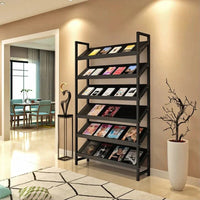
Bookcase Storage Cabinet 71 in Tall for Home Office
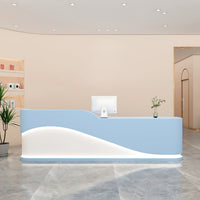
Curved Reception Desk 47-94 in Wide with Keyboard Tray, File Drawers & LED Lighting
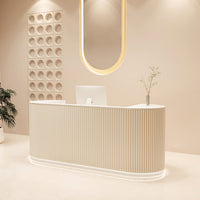
Curved Reception Desk 63-142 in Wide with Keyboard Tray, File Drawers & Fluted Front
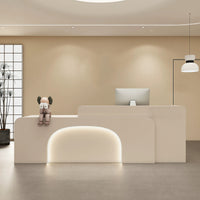
Curved Reception Desk 47-150 in Wide with LED Lighting, Keyboard Tray & File Drawers

Ergonomic Office Chair with Swivel, Curved & Dual-Tone for Home Office

Modern Executive Desk 25-110 in Wide with Side Storage for Home Office

Executive Office Desk with Built-In Power and Storage
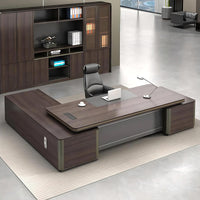
Modern Executive Desk 22-126 in Wide with Curved & Cable Management for Home Office
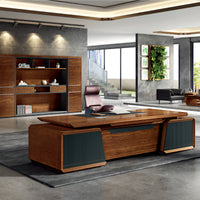
Modern Executive Desk 28-142 in Wide with Walnut for Home Office

Practical L-Shaped Side Storage Executive Desk with Cable Management

Content Menu ● Understanding the Challenges of Large Executive Desks >> Space Consumption and Room Flow >> Balancing Functionality and Aesthetics ● Choosing the Right Office Layout >> Open vs. Closed Office Plans >> Positioning the...
Oct 21, 2025
Content Menu ● Why Choosing the Right Executive Desk Matters >> The Impact of Desk Quality on Work Performance >> Balancing Cost and Quality ● Key Features to Look for in an Affordable Executive...
Oct 20, 2025
Content Menu ● Understanding Executive Desks >> What Defines an Executive Desk? >> Importance of Desk Shape in Office Setup ● L-Shaped Executive Desk: Features and Benefits >> Configuration and Design >> Space Efficiency of L-Shaped...
Oct 19, 2025