
My office
Your cart (0)
Your cart is ready for a fresh start.
Explore office furniture designed for focused, comfortable work.
Continue shoppingMy office
Explore office furniture designed for focused, comfortable work.
Continue shoppingContent Menu
● The importance of ergonomics in conference environments
● Key ergonomic design principles
● Common table shapes and their ergonomic implications
● Materials matter: balance aesthetics, durability, and comfort
● Customization: tailoring tables to your space
● Accessibility and inclusive design
● Technology integration without compromise
● Resilience and maintenance
● Planning a procurement strategy
● Case studies: ergonomic design in action
● Best practices for setup and usage
● Sustainability considerations
● Future trends in ergonomic conference furniture
● Environmental and health considerations
● How to measure success after installation
● Budgeting and cost considerations
● Selecting the right partner
● Implementation plan for organizations
● Common pitfalls to avoid
● Cultural and organizational benefits
● Summary and recommendations
● Related questions and answers
In modern workplace environments, the quality of meeting spaces can significantly influence collaboration, decision-making, and overall productivity. Ergonomic conference tables play a pivotal role in shaping these outcomes by supporting comfort, accessibility, and focus during discussions. This article explores the design principles, materials, features, and practical considerations behind ergonomic conference tables, offering guidance for selecting solutions that align with varied room sizes, user needs, and organizational goals.

Ergonomics is not merely about physical comfort; it is about optimizing the interaction between people and their surroundings. In conference settings, ergonomic design helps reduce fatigue, prevent strain, and promote active participation. A well-designed table supports proper posture, allows for natural arm and hand positions, and accommodates devices and documents without creating clutter. By integrating ergonomic considerations into conference table design, organizations can extend the duration of productive meetings and enhance team collaboration.
To create conference tables that truly support users, consider the following principles:
- Adjustable features: Height-adjustable surfaces, modular configurations, and movable accessories enable users of different heights and preferences to find comfortable working positions.
- Accessible reach zones: Placing power outlets, USB ports, and cable management within easy reach reduces the need for awkward stretches and minimizes trip hazards.
- Clear leg clearance: Ample knee and foot space under the table prevents crowding and allows for comfortable seating positions, especially for long meetings.
- Edge design and materials: Smooth, rounded edges and warmth-friendly materials reduce pressure points and improve comfort during extended discussions.
- Acoustics and collaboration: Table shapes and surface materials can influence sound reflection and the ease of group discussion.
Different table geometries influence how participants interact and how space is utilized:
- Rectangular tables: Provide traditional seating arrangements with dedicated end seating for leadership or presenters. They offer clear sightlines but can constrain collaboration if overly long.
- Boat-shaped tables: Feature wider centers and narrower ends, encouraging inclusive discussion while maintaining a focal point for presenters. The widened center encourages closer interaction among participants.
- U-shaped or horseshoe tables: Promote visibility and engagement among attendees, enabling easy eye contact and participation, especially in training or briefing sessions.
- Clustered modular tables: Use modular components that can be reconfigured for different group sizes, allowing rapid adaptation to evolving meeting agendas.
The choice of material affects durability, maintenance, and user comfort. Common options include:
- Wood and wood laminates: Classic aesthetics with warmth; durable and easy to clean. AUV or veneer finishes can impact price and resistance to scratches.
- Solid surface (e.g., high-pressure laminate, engineered stone): Sleek, uniform surfaces that resist staining and scratches; easy to sanitize in shared environments.
- Metal and steel frames: Provide robust support and long-term stability, often paired with wooden or laminate tops for a balanced look.
- Acoustic surfaces: Some table panels incorporate fabric or perforated wood to absorb sound, aiding in reducing ambient noise during meetings.
- Power and data integration: Insets, troughs, and cable management systems should be integrated seamlessly to maintain a tidy workspace.
Ergonomic conference tables can be customized to fit specific room dimensions, usage patterns, and branding requirements. Consider:
- Size and footprint: Measure room dimensions, doorway widths, and the desired number of participants to determine optimal table length, width, and seating density.
- Height ranges: Adjustable-height options accommodate users who prefer standing or sitting, or those who require accessibility accommodations.
- Cable management: A well-designed trough or channel reduces cable clutter and improves safety. Integrated power outlets and data ports streamline device charging and connectivity.
- Edge details: Choosing edge profiles that reduce sharp corners and pressure points enhances comfort, particularly for attendees who lean on tables during conversations.
- Finish and branding: Select finishes that align with corporate branding, maintenance needs, and the environment (e.g., executive suites vs. training rooms).
A key aspect of ergonomic conference tables is ensuring accessibility for all participants. This includes:
- Legroom and knee clearance: Sufficient space beneath the table allows comfortable seating for users with varied body sizes and mobility aids.
- Reachability: Controls for height adjustment, power, and data ports should be reachable from seated positions without excessive stretching.
- Visual and tactile cues: Clear labeling and intuitive controls help users navigate features, especially for individuals with limited dexterity.
- Acoustic considerations: Tables that support sound absorption can benefit participants who are sensitive to noise or who require clear audio for virtual attendees.
The modern conference room often blends analog and digital collaboration tools. Ergonomic conference tables should support technology without compromising comfort:
- Integrated charging: Wireless charging pads or USB-C PD ports reduce clutter and keep devices powered during discussions.
- Cable management solutions: In-channel routing, grommets, and retractable covers keep cables organized and minimize trip hazards.
- Conferencing compatibility: Table designs should accommodate microphones, speakers, and conference systems while maintaining legroom and accessibility.
- Cleanable surfaces: Surfaces should be resistant to disinfectants and easy to sanitize between meetings, supporting hygiene and safety standards.
Durability is essential in high-usage spaces. Factors to evaluate include:
- Scratch and stain resistance: Surfaces should withstand frequent use, spills, and marker exposure, particularly in training or brainstorming rooms.
- Sealing and finish longevity: Protective finishes help preserve color and texture over time, reducing the need for refinishing.
- Structural integrity: Tables should maintain stability with repeated height adjustments and modular reconfigurations.
- Replacement parts: A vendor with readily available parts and service support minimizes downtime.
A thoughtful procurement process ensures you acquire ergonomic conference tables that deliver maximum value. Steps include:
- Assess needs: Survey user preferences, room dimensions, and anticipated meeting formats to identify essential features.
- Prioritize ergonomics: Emphasize height adjustability, legroom, and accessible controls in vendor evaluations.
- Budget with total cost of ownership: Consider not only the upfront cost but also maintenance, parts, and potential energy savings from efficient designs.
- Pilot testing: If possible, test configurations with a cross-section of users before committing to a full purchase.
- Vendor support: Evaluate warranty terms, installation services, and post-purchase support to ensure long-term satisfaction.
Exploring real-world examples can illuminate practical outcomes:
- A multinational company redesigned its conference space with modular, height-adjustable tables arranged in a flexible horseshoe configuration. The result was improved participant engagement, reduced fatigue during long strategy sessions, and easier reconfiguration for cross-functional workshops.
- A startup implemented acoustic table panels and integrated power/data troughs in a rectangular layout. The feedback highlighted cleaner desks, faster device charging, and better collaboration during product reviews.
- An education-focused organization adopted U-shaped tables for seminars, enabling instructors to monitor participant interaction while maintaining visibility for all attendees. The design facilitated inclusive discussion and active participation.
To maximize the ergonomic benefits of conference tables, follow these practices:
- Arrange seating to promote eye contact: Place participants to encourage inclusive dialogue, with the presenter at a position that maintains clear line of sight to everyone.
- Ensure accessible controls: Position height-adjustment interfaces and power/data access points within easy reach from seated positions.
- Manage cables proactively: Use color-coded conduits and discreet channels to reduce tripping hazards and maintain a tidy workspace.
- Provide adequate lighting: Combine table design with appropriate lighting to minimize glare and shadows on surfaces.
- Encourage movement breaks: Design meeting agendas that incorporate short movement breaks, leveraging adjustable tables to switch between seated and standing postures.
As organizations increasingly prioritize environmental responsibility, consider how ergonomic conference tables fit into sustainable procurement:
- Material sourcing: Favor responsibly sourced wood and low-emission finishes that meet regulatory standards.
- Long life cycles: Durable construction and modular designs support reconfiguration rather than replacement, reducing waste.
- Recyclability and end-of-life: Choose materials and components that can be separated and recycled at the end of their life cycle.
- Energy efficiency: Integrated power features should comply with energy-saving standards, and many suppliers offer auto-sleep modes for ports.
The field of ergonomic furniture is continually evolving. Look for trends such as:
- Smart furniture: Tables with built-in sensors to track usage, adjust height automatically, and collect data to optimize space utilization.
- Flexible partitioning: Tables that can be converted into collaborative spaces with minimal effort, enabling seamless transitions between formal meetings and workshops.
- Enhanced acoustics: Innovative surface materials that absorb and manage sound more effectively, improving speech intelligibility in busy rooms.
- Sustainable design: Lightweight, recyclable materials combined with durable finishes to extend product lifespans.
Beyond comfort, ergonomic conference tables contribute to healthier workplaces:
- Posture support: Proper table height helps maintain healthy spinal alignment and reduces shoulder tension during discussions.
- Reduced fatigue: By enabling comfortable seating positions, tables decrease energy drain, allowing participants to stay focused longer.
- Air quality and materials: Selecting low-VOC finishes and non-toxic adhesives supports healthier indoor air quality for occupants.
Implement a simple framework to gauge the impact of ergonomic conference tables:
- User feedback: Gather qualitative input on comfort, ease of use, and perceived productivity improvements.
- Task efficiency: Track meeting duration, decision latency, and follow-up item completion to assess efficiency gains.
- Space utilization: Monitor how the configuration supports various meeting formats and whether it reduces the need for extra furniture.
- Maintenance metrics: Record downtime, service calls, and part replacement frequency to evaluate durability.
Budgeting for ergonomic conference tables involves more than the sticker price:
- Upfront costs: Compare prices across models with similar features to identify value propositions.
- Lifecycle costs: Consider maintenance, parts, and potential energy usage.
- Financing options: Some vendors offer phased rollout or subscription models for larger deployments, which can ease cash flow.
- Total cost of ownership: Include installation, calibration, and any required software licenses if smart features are involved.
Choosing a supplier with a comprehensive approach ensures long-term satisfaction:
- Proven track record: Look for case studies or customer references in similar environments.
- Customization capabilities: Confirm that the vendor can deliver tailored configurations, finishes, and port placements.
- After-sales support: Ensure availability of installation services, warranties, and responsive customer support.
A structured implementation plan reduces disruption and maximizes impact:
- Phase 1: Requirement gathering and space analysis, including user interviews and measurements.
- Phase 2: Design and prototyping with a shortlist of configurations.
- Phase 3: Pilot installation in a controlled area to test usability and gather feedback.
- Phase 4: Full deployment with staged installation and staff training on features.
- Phase 5: Post-implementation review to refine configurations based on user input.
Be mindful of frequent missteps that undermine ergonomic goals:
- Overlooking accessibility: Neglecting height ranges or reach distances can alienate certain users.
- Underestimating maintenance: Complex cable systems or high-contrast finishes may wear poorly in high-traffic areas.
- Inflexible configurations: Fixed designs that cannot adapt to evolving team sizes and needs reduce long-term value.
- Poor integration with rooms: Inadequate consideration of lighting, acoustics, and HVAC can diminish perceived comfort.
Beyond physical comfort, ergonomic conference tables can influence organizational culture:
- Collaboration mindset: Flexible, comfortable spaces encourage open discussion and shared leadership in meetings.
- Inclusivity: Accessible designs ensure all participants can contribute effectively, improving morale and engagement.
- Professionalism and branding: Well-designed spaces reflect a company's commitment to quality, which can influence client and partner perceptions.
Ergonomic conference tables are more than furniture; they are a strategic investment in people, processes, and performance. By prioritizing adjustable features, accessible controls, thoughtful cable management, and durable materials, organizations can create meeting environments that support longer, more productive, and more inclusive discussions. When selecting a solution, align the design with room dimensions, user needs, and long-term maintenance considerations. Engage with reputable vendors that offer customization, strong support, and evidence of successful deployments in similar contexts.

1. What features should I prioritize in an ergonomic conference table for a small meeting room?
- Prioritize adjustable height, compact footprint, integrated cable management, and accessible power/data outlets to maximize usability without crowding the space.
2. How can I improve acoustics in a conference room with wooden tables?
- Choose tables with acoustic panels or add fabric-covered panels to reduce reverberation. Pair with soft seating and ceiling treatments to improve overall sound quality.
3. Are there health considerations when using standing-height tables for meetings?
- Yes. Alternate between sitting and standing to reduce fatigue, ensure proper footwear and ergonomic footwear, and provide anti-fatigue mats to support comfortable posture.
4. What maintenance practices extend the life of an ergonomic conference table?
- Regular cleaning with non-abrasive cleaners, inspecting and tightening fasteners, and periodically checking cable management components for wear help maintain performance.
5. How do I choose a color and finish that withstands daily use?
- Select durable, low-maintenance finishes with scratch resistance and easy cleaning; matte textures can hide fingerprints and minor scuffs better than glossy surfaces.
6. What is the ideal table height range for most users?
- A practical range is approximately 28 to 32 inches for seated configurations, with adjustable options extending from around 22 to 48 inches to accommodate standing users.
7. Can modular tables support dynamic team configurations?
- Yes. Modular systems allow rapid reconfiguration for different group sizes and formats, enhancing space utilization and collaboration.
8. How important is integrated power in conference tables?
- It is very important for reducing clutter and enabling seamless device charging, which supports uninterrupted discussions and better engagement.
9. What should I consider when selecting a supplier for ergonomic tables?
- Look for proven installations, responsive support, customization capabilities, warranty terms, and clear maintenance plans.
10. Do ergonomic tables impact meeting outcomes beyond comfort?
- Yes. They can improve participation, reduce fatigue, and shorten decision cycles by facilitating easier communication and sustained focus.
Hot Tags: China, Global, OEM, private label, manufacturers, factory, suppliers, manufacturing company

Leather Executive Office Chair with Genuine Leather, Solid Wood & Lumbar Support

Mesh Ergonomic Office Chair with Breathable Mesh & Lumbar Support for Executive Office
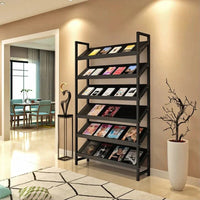
Bookcase Storage Cabinet 71 in Tall for Home Office
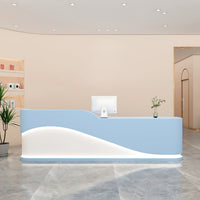
Curved Reception Desk 47-94 in Wide with Keyboard Tray, File Drawers & LED Lighting
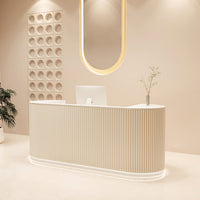
Curved Reception Desk 63-142 in Wide with Keyboard Tray, File Drawers & Fluted Front
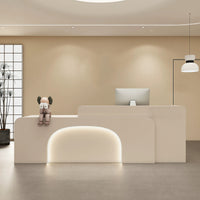
Curved Reception Desk 47-150 in Wide with LED Lighting, Keyboard Tray & File Drawers

Ergonomic Office Chair with Swivel, Curved & Dual-Tone for Home Office

Modern Executive Desk 25-110 in Wide with Side Storage for Home Office

Executive Office Desk with Built-In Power and Storage
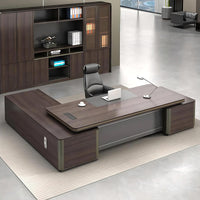
Modern Executive Desk 22-126 in Wide with Curved & Cable Management for Home Office
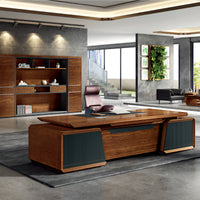
Modern Executive Desk 28-142 in Wide with Walnut for Home Office

Content Menu ● The Value of Built-In Storage ● Design Philosophies for Smarter Desks ● Key Features to Consider ● Material Choices for Longevity and Style ● Storage Configurations by Role ● Lighting and Environment ● Space...
Oct 21, 2025
Content Menu ● Defining the Role of the Executive Desk in Your Brand ● Selecting Materials: Wood, Metal, Stone, and Composites ● Proportions and Scale: Size Matters ● Desk Shapes and Configurations ● Finishes and...
Oct 21, 2025
Content Menu ● Understanding the Challenges of Large Executive Desks >> Space Consumption and Room Flow >> Balancing Functionality and Aesthetics ● Choosing the Right Office Layout >> Open vs. Closed Office Plans >> Positioning the...
Oct 21, 2025