
Select a checkout option below
Your cart is currently empty.
Continue shopping
Content Menu
● Understanding the Importance of Material in L-shaped Executive Desks
● Common Materials Used in L-shaped Executive Desks
>> Wood
>> Metal
>> Glass
>> Laminate
● Best Materials for Durability and Style in L-shaped Executive Desks
>> Solid Wood: Timeless Elegance and Strength
>>> Types of Solid Wood
>>> Why Choose Solid Wood?
>>> Maintenance Tips for Solid Wood
>> Engineered Wood with High-Quality Veneer: A Cost-Effective Alternative
>>> Engineered Wood Explained
>>> Advantages
>>> Drawbacks
>> Metal Frames Combined with Wood or Laminate: Modern and Durable
>>> Metal as a Frame Material
>>> Benefits
>>> Design Versatility
>> Laminate Surfaces: Practical and Versatile for High Traffic Offices
>>> What is Laminate?
>>> Pros
>>> Cons
>> Glass: Sleek and Stylish but Less Practical for Heavy Use
>>> Characteristics of Glass Desks
>>> Advantages
>>> Limitations
● Comparing Materials: Which One Suits Your Needs?
● Additional Factors to Consider When Choosing an L-shaped Executive Desk Material
>> Office Environment and Design
>> Usage Frequency and Type
>> Budget Constraints
>> Environmental Impact
● Conclusion
● Frequently Asked Questions (FAQs)
In the world of office furniture, choosing the right desk is crucial for productivity, comfort, and aesthetics. Among various desk types, L-shaped executive desks stand out for their versatility and ample workspace. However, not all L-shaped desks are created equal, and the materials used significantly affect their durability, style, and overall value. This article explores the best materials for durable and stylish L-shaped executive desks, providing insights to help you make an informed decision.

When selecting an L-shaped executive desk, the material influences several critical factors:
- Durability: Resistance to wear and tear, longevity, and stability.
- Aesthetics: The look and feel of the desk, matching office décor.
- Maintenance: Ease of cleaning and maintaining the desk surface.
- Weight: Portability and ease of installation.
- Cost: Affordability without compromising quality.
Choosing the right material ensures the desk not only lasts but also complements your office environment.
Before diving into the best materials, let's look at some common ones found in the market and their general characteristics.
Wood is a classic choice for executive desks, known for its timeless appeal. It comes in various forms:
- Solid wood: Offers durability and a premium feel but tends to be heavy and expensive.
- Veneered wood: Uses a thin wood layer over cheaper materials; looks good but may be less durable.
- Engineered wood: Includes MDF and particleboard; more affordable but less sturdy.
Metal provides structural strength and a modern look. Often used as the frame or in desk legs, metal can vary from steel to aluminum.
Glass desktops offer a sleek and elegant appearance. Tempered glass is commonly used for safety and durability.
Laminate desks are made by fusing a printed design layer and a clear protective layer to MDF or particleboard. These are affordable and versatile.
Now let's explore the best materials that combine durability with style for executive desks.
When it comes to solid wood, some species stand out for executive desks:
- Oak: Known for its hardness and beautiful grain.
- Maple: Smooth texture and resistance to abrasion.
- Cherry: Rich color and ages gracefully.
- Walnut: Dark, luxurious finish and durable.
Solid wood desks are prized for their robustness and ability to withstand daily use. They also exude professionalism and prestige, making them ideal for executive settings.
To maintain solid wood desks:
- Use coasters to prevent stains.
- Apply wood polish regularly.
- Avoid placing the desk in direct sunlight to prevent fading.
Medium Density Fiberboard (MDF) and particleboard provide a sturdy base for many desks. When topped with a high-quality wood veneer, they offer a premium look without the cost of solid wood.
- Lightweight compared to solid wood.
- More resistant to warping.
- Cost-effective choice for stylish desks.
- Susceptible to water damage if the veneer coating is compromised.
- Can chip on edges if not handled carefully.
Steel or aluminum frames add tremendous strength and longevity. They also provide a contemporary aesthetic, complementing wood or laminate surfaces.
- Supports heavy workloads.
- Sleek, modern appearance.
- Easy to clean and maintain.
Combining metal frames with wooden or laminate desktops allows a mix of traditional and contemporary design elements in your office.
Laminate surfaces are synthetic layers fused to an underlying board, offering resistance to scratches and stains.
- Highly resistant to scratches and stains.
- Easy to clean and maintain.
- Available in many designs mimicking wood, stone, or solid colors.
- Budget-friendly.
- May chip or peel over time.
- Less prestigious compared to solid wood.
Tempered glass desktops on L-shaped executive desks impart a sophisticated, modern look.
- Visually spacious and light addition to an office.
- Easy to clean and disinfect.
- Susceptible to fingerprints and smudges.
- Less durable—risk of cracking or chipping.
- Less practical for executives who use heavy equipment or files on the desk.
| Material | Durability | Style | Maintenance | Cost | Suitable For |
|---|---|---|---|---|---|
| Solid Wood | Very High | Classic & Luxurious | Moderate | High | Traditional executive office |
| Engineered Wood+Veneer | Moderate to High | Elegant | Moderate | Moderate | Stylish budget-conscious |
| Metal + Wood/Laminate | Very High | Modern & Industrial | Low | Moderate to High | Heavy tools or equipment use |
| Laminate | Moderate | Varied | Low | Low | Casual/High use environments |
| Glass | Low to Moderate | Sleek & Contemporary | High (fingerprints) | High | Minimalist & modern spaces |
The material should harmonize with your office décor, whether classic wood tones or minimalist modern metal and glass.
If your work involves lots of paperwork, heavy equipment, or frequent movements, prioritize durable materials.
Balancing style and durability while keeping within budget helps narrow down choices.
Sustainable materials or those sourced from responsible forestry can be an important factor for eco-conscious buyers.
Selecting the best material for an L-shaped executive desk requires careful consideration of durability, style, maintenance, and budget. Solid wood remains the gold standard for prestige and longevity, while engineered wood with veneer offers elegance at a lower price. For a modern flair combined with strength, metal frames with wood or laminate surfaces are ideal. Laminate desks provide practicality and versatility, especially in high-traffic setups. Glass desks offer unmatched style but are best for light use due to fragility. By weighing these factors, you can find the perfect L-shaped executive desk material tailored to your work needs and office aesthetic.

Q1: Are L-shaped desks made from solid wood worth the investment?
A1: Yes, solid wood desks offer superior durability, timeless aesthetics, and add professional value to an office, making them a worthy investment for executive use.
Q2: How does veneer compare to solid wood in terms of durability?
A2: Veneer is less durable than solid wood because it consists of a thin wood layer over engineered wood, which can be susceptible to damage if the veneer peels or chips.
Q3: Can metal-framed desks support heavy loads?
A3: Absolutely. Metal frames, especially steel, provide excellent support, making these desks suitable for heavy equipment or files.
Q4: Is laminate a good choice for a home office desk?
A4: Yes, laminate is low-maintenance, affordable, and comes in many design options, making it suitable for home office environments that experience moderate use.
Q5: What maintenance does a glass L-shaped desk require?
A5: Glass desks need frequent cleaning to remove fingerprints and smudges using glass cleaner; avoid heavy-impact usage to prevent cracks or chips.
Hot Tags: China, Global, OEM, private label, manufacturers, factory, suppliers, manufacturing company

Leather Executive Office Chair with Genuine Leather, Solid Wood & Lumbar Support

Mesh Ergonomic Office Chair with Breathable Mesh & Lumbar Support for Executive Office
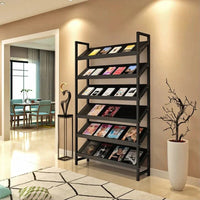
Bookcase Storage Cabinet 71 in Tall for Home Office
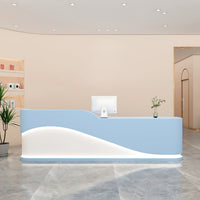
Curved Reception Desk 47-94 in Wide with Keyboard Tray, File Drawers & LED Lighting
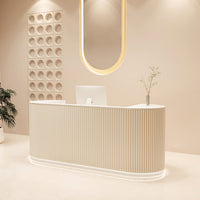
Curved Reception Desk 63-142 in Wide with Keyboard Tray, File Drawers & Fluted Front
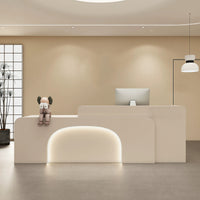
Curved Reception Desk 47-150 in Wide with LED Lighting, Keyboard Tray & File Drawers

Ergonomic Office Chair with Swivel, Curved & Dual-Tone for Home Office

Modern Executive Desk 25-110 in Wide with Side Storage for Home Office
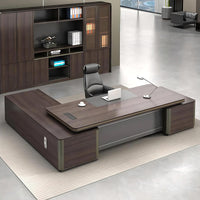
Modern Executive Desk 22-126 in Wide with Curved & Cable Management for Home Office
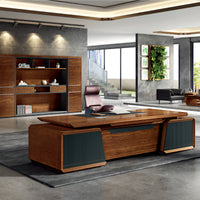
Modern Executive Desk 28-142 in Wide with Walnut for Home Office

Content Menu ● Understanding Ergonomics and Its Importance >> What Does Ergonomics Mean for Executives? >> The Risks of Poor Ergonomics ● Key Ergonomic Principles for Executive Desk Setup >> Proper Desk and Chair Height...
Aug 18, 2025
Content Menu ● Understanding the Importance of L-shaped Executive Desks >> What Makes L-shaped Executive Desks Popular? >> Key Features to Consider When Selecting L-shaped Desks ● Leading Manufacturers of L-shaped Executive Desks >> 1....
Aug 18, 2025
Content Menu ● What is an L-shaped Executive Desk? ● Why Choose an L-shaped Executive Desk? >> Maximized Workspace >> Space Efficiency >> Enhanced Organization >> Professional Appearance ● Key Considerations When Buying an L-Shaped Executive Desk...
Aug 17, 2025