
My office
Your cart (0)
Your cart is ready for a fresh start.
Explore office furniture designed for focused, comfortable work.
Continue shoppingMy office
Explore office furniture designed for focused, comfortable work.
Continue shoppingContent Menu
>> The Impact on Customer Experience
>> Effects on Employee Comfort and Productivity
>> Standard Recommendations
>>> Typical Ranges
>>> Special Circumstances
>> Legal and Accessibility Requirements
>>> ADA Compliance
>>> International Standards
>> Store Type and Counter Function
>> Customer Demographics
>> Space and Layout Constraints
>> The Importance of Ergonomics
>> Standing vs. Seated Workstations
>> Key Ergonomic Considerations
>> Security Needs
>> Privacy for Sensitive Transactions
>> Material Choices
>> Structural Considerations
>> Adjustable Counter Heights
>> Layered and Modular Counters
>> Measure Twice, Install Once
>> Involve Key Stakeholders
>> Allow for Tech Integration
>> Ensure Ample Clearance
>> Contactless and SelfCheckout
>> Minimalist and Open Concepts
>> Integration with Technology
>> StepbyStep Process
Designing the perfect cashier counter is paramount for any retail environment. The right counter height not only enhances the customer experience but also ensures ergonomic comfort for cashiers and improves the efficiency of transactions. This article explores the ideal cashier counter height, the factors influencing design decisions, and the nuances in counter construction to meet the diverse needs of businesses and their clientele.

Why Does Cashier Counter Height Matter?
The cashier counter acts as the primary point of interaction between the store and customers. Counters that are too high can feel intimidating and impede communication; those that are too low may not provide enough privacy or security for transactions. Striking the right balance improves approachability, increases customer satisfaction, and encourages efficient service.
Cashiers spend long hours standing or sitting at checkout stations. An illsuited counter height can cause discomfort, fatigue, or even longterm injuries. Coupled with repetitive movements, poor ergonomics may contribute to musculoskeletal disorders. Therefore, designing counters at the appropriate height supports employee wellbeing and productivity.
Identifying the Ideal Cashier Counter Height
The generally accepted standard for cashier counter height in retail stores ranges from 34 to 38 inches (86 to 97 centimeters) from the floor to the top of the counter. The most common height used across various settings is approximately 36 inches (91 centimeters). This height is considered optimal for standing users and aligns with the average adult's elbow height, which promotes comfortable repetitive motion during transactions.
For scenarios where cashiers are seated or a combination of seated and standing tasks are required (such as in some bank teller stations), counter heights may be adjusted down to 28 to 34 inches (71 to 86 centimeters).
The Americans with Disabilities Act (ADA) and similar mandates in other countries require that at least one portion of the sales counter be accessible to individuals in wheelchairs. ADA regulations specify a maximum counter height of 36 inches (91 centimeters) with adequate knee clearance below (at least 27 inches or 69 centimeters from the floor to the bottom surface) and a minimum length of 36 inches (91 centimeters) for the accessible counter segment. Not adhering to these guidelines may result in compliance violations.
Different countries may have nuanced regulations, but the general trend points to counter heights around 36 inches for accessibility and general use. Consulting local building codes and accessibility standards is essential during planning.
Factors Influencing Counter Height Decisions
The nature of your business may dictate counter design:
Retail Shops: Require efficient customer flow and visibility; typically stick to 36 inches.
Convenience Stores: Favor slightly lower counters for quick transactions and frequent use.
Restaurants and Cafes: Bar counters may be higher (up to 42 inches), while payment counters align with ADA and retail norms.
Pharmacies: Need privacy, so may include raised sections but must also provide accessible surfaces.
Banks/Financial Institutions: Require security and privacy; often use layered counters.
Consider the primary clientele. Stores serving children or the elderly might opt for lower counters. Highend boutiques seeking exclusivity might favor taller, more imposing counters, provided ADA mandates are met.
Limited space may necessitate multifunctional or adjustableheight counters. Modular solutions can adapt to various needs within a single environment.
Cashier Comfort: Ergonomics in Counter Design
An ergonomic counter height reduces the distance cashiers must move when handling merchandise, scanning items, or accessing drawers. The correct height allows the arms to rest at a 90degree angle when typing or using a POS terminal, minimizing repetitive strain injuries.
Standing Stations: 36 inches is standard but review the actual height of employees for optimal adjustment. Antifatigue mats and footrests can enhance comfort.
Seated Stations: Designed for prolonged sitting, typically between 28 and 34 inches in height. Adjustable stools or chairs and appropriate knee clearance improve comfort.
Counter depth: Should allow easy reach across the full surface—usually 24 to 30 inches deep.
Monitor placement: Should be just below eye level to minimize neck strain.
POS design: Screens and keypads must be accessible without the need for extensive reaching or awkward wrist angles.
Frequent tasks: Counter design must consider how often cashiers handle large items, bag products, or interact with credit card terminals.
Designing for Security and Privacy
Counter height can deter theft and safeguard cash drawers or expensive merchandise. Some establishments add a raised privacy shelf to obscure cash transactions. However, ensure such modifications don't impede accessibility.
Pharmacies or banks use partitions or stepped counters to shield personal information. Ensure that even with privacy barriers, the accessible section remains within ADA limits.
Counter Material and Structure: Impact on Usability
Laminate: Affordable and durable; ideal for hightraffic settings.
Solid Surface/Stone: Adds aesthetic value and is easy to clean.
Wood: Warm, inviting, suitable for boutiques but may show wear.
Metal: Highly durable for industrial or urban looks.
Countertops should be robust enough to support equipment (e.g., POS terminals, monitors, receipt printers, and bagging areas). Edges should be rounded for safety and comfort.
Custom Solutions for Unique Businesses
Sitstand counters (or heightadjustable counters) provide flexibility for both cashiers and customers, accommodating various physical needs and preferences. Though more expensive upfront, they may reduce injury and fatigue over time.
Layered counters feature a raised surface for standing transactions and a lowered, accessible section for seated individuals and compliance. Modular designs allow adjustments or reconfigurations as business needs evolve.
Installation Tips and Best Practices
Use precise measurements and test prototypes with staff and customers before finalizing installation.
Engage employees, customers (if possible), and compliance officers early in the design process to catch potential pain points.
Design spaces for future technology upgrades, such as touchless payment terminals, biometric equipment, and cable management systems.
Counters should allow adequate space behind (for staff movement) and in front (for customer lines, carts, wheelchairs).
Trends in Cashier Counter Design
Modern checkout areas often feature selfservice terminals or contactless payment setups. These typically maintain a standard 34 to 36 inch height but may also include lower panels for seated users.
Opendesign counters with clear sightlines create welcoming spaces but must maintain privacy for transactions and accessibility for all customers.
Integrated charging pads, digital signage, and concealed wiring are becoming standard in welldesigned counters. Ensure new tech does not conflict with height or accessibility requirements.
How to Choose the Right Counter Height for Your Store?
1. Assess your staff and customer demographics.
2. Consult accessibility and legal guidelines.
3. Consider the nature of your transactions (e.g., handling large items or quick checkouts).
4. Mock up counter options with actual users if possible.
5. Account for payment technology and security needs.
6. Choose materials and structure that match your brand and practical requirements.
7. Design for flexibility to accommodate future changes.
Final Thoughts
The ideal cashier counter height is typically 36 inches for most settings. However, compliance with ADA requirements and thoughtful attention to the unique needs of both employees and customers are essential. By considering these factors, you can create a cashier station that is visually appealing, comfortable, secure, and accessible—ultimately contributing to a seamless retail experience for all.

Frequently Asked Questions (FAQ)
1. What is the standard cashier counter height for most retail stores?
Most retail stores use a counter height of 36 inches (91 centimeters), which is comfortable for standing transactions and accessible to the majority of people.
2. Do I need to have a lower or special section of my counter for accessibility?
Yes, accessibility laws such as the ADA require at least one section of the counter to be no higher than 36 inches, with enough clearance for a wheelchair.
3. Can I use a higher counter for specific purposes, like a bar or customer privacy?
You can have raised sections for privacy or specific uses, but the main checkout area must remain accessible and comply with legal requirements.
4. Are there ergonomics considerations for counter design?
Absolutely. Factors such as the typical standing or sitting position of cashiers, counter depth, reach to POS terminals, and the use of antifatigue mats all play a role in employee comfort.
5. What materials are best for a cashier counter?
Materials should be durable and easy to clean. Laminate, solid surfaces, stone, and wood are all common choices, selected according to the store's aesthetics and traffic level.
Hot Tags: China, Global, OEM, private label, manufacturers, factory, suppliers, manufacturing company

Leather Executive Office Chair with Genuine Leather, Solid Wood & Lumbar Support

Mesh Ergonomic Office Chair with Breathable Mesh & Lumbar Support for Executive Office
Bookcase Storage Cabinet 71 in Tall for Home Office
Curved Reception Desk 47-94 in Wide with Keyboard Tray, File Drawers & LED Lighting
Curved Reception Desk 63-142 in Wide with Keyboard Tray, File Drawers & Fluted Front
Curved Reception Desk 47-150 in Wide with LED Lighting, Keyboard Tray & File Drawers

Ergonomic Office Chair with Swivel, Curved & Dual-Tone for Home Office

Modern Executive Desk 25-110 in Wide with Side Storage for Home Office
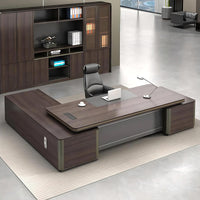
Modern Executive Desk 22-126 in Wide with Curved & Cable Management for Home Office
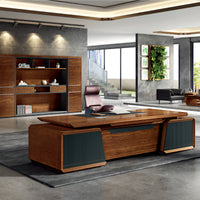
Modern Executive Desk 28-142 in Wide with Walnut for Home Office

Content Menu ● Why the Cashier Counter Matters for Startups ● Defining the Needs of Startup Retail >> Budget Constraints and Smart Investing >> Matching Store Style and Brand ● Current Design Trends for 2025...
Aug 04, 2025
Content Menu ● Types of Retail Cashier Counters >> I-Shaped Counters >> L-Shaped Counters >> U-Shaped Counters ● Key Design Dimensions >> Height >> Width and Depth >> Length >> Knee and Leg Clearance ● Ergonomics and Accessibility >> Adjustable Height...
Aug 03, 2025
Content Menu ● The Role of Cashier Counters in Customer Experience >> First Impressions Matter >> Functional Design Enhances Efficiency and Comfort >> Facilitating Customer-Cashier Interaction >> Supporting Additional Sales Opportunities ● Aesthetics Influence Customer Perception...
Aug 03, 2025