
My office
Your cart (0)
Your cart is ready for a fresh start.
Explore office furniture designed for focused, comfortable work.
Continue shoppingMy office
Explore office furniture designed for focused, comfortable work.
Continue shoppingContent Menu
● Design: Creating an Inviting and Professional Appearance
>> Importance of Aesthetic Appeal
>> Material Choices and Durability
>> Ergonomics and Space Utilization
● Functionality: Supporting Staff and Visitor Needs
>> Seamless Workflow Integration
>> Security Features
>> Flexibility and Adaptability
● Impact: Enhancing Brand Image and Visitor Experience
>> First Impressions Matter
>> Accessibility and Inclusivity
>> Creating a Welcoming Atmosphere
● Practical Tips for Selecting or Designing a Reception Desk
>> Assess Your Organizational Needs
>> Budget Considerations
>> Collaborate with Professionals
● Frequently Asked Questions
A reception desk is often the first physical contact point for visitors in any business or organization. It sets the tone for the entire experience and can influence perceptions about professionalism, style, and operational efficiency. Creating a great reception desk involves more than just aesthetics; it requires a careful balance of design, functionality, and the ability to make a lasting positive impact. This article explores what makes a reception desk great by diving deep into these three core aspects.

The reception desk is a centerpiece that reflects an organization's brand identity and values. An inviting design attracts visitors and makes them feel welcome. The desk should complement the overall interior design, whether that's modern, traditional, minimalist, or eclectic.
- Use of colors that reflect the brand palette
- Materials that match the style and expected durability
- Clean lines and uncluttered surfaces to enhance the professional look
Materials play a crucial role in how the reception desk looks and ages over time. Popular choices include wood, laminate, glass, metal, and stone. Each material offers different advantages:
- Wood provides warmth and elegance but requires regular maintenance.
- Laminate is cost-effective and easy to clean but may look less premium.
- Glass adds a modern and sleek appearance but needs frequent cleaning.
- Metal can convey strength and innovation, ideal for industrial or tech spaces.
- Stone tops add luxury but come with higher costs and weight considerations.
Poorly designed desks can cause discomfort to receptionists and create awkward spaces for visitors. Ergonomics must be a priority to ensure comfort and efficiency.
- Proper height for both standing and seated receptionists
- Ample legroom and storage areas within easy reach
- Clear division between visitor interaction area and workstation
The reception desk is the operational hub for visitor management, communication, and sometimes administrative tasks. An effective desk must support workflows with well-organized features.
- Built-in cable management systems to keep electronics tidy
- Storage compartments for files, forms, and office supplies
- Integrated technology ports and charging stations
Receptionists often manage visitors, deliveries, and access requests. Security considerations at the desk help maintain building safety without compromising hospitality.
- Controlled access panels or locked drawers for sensitive items
- Transparent barriers or counters with safety glass where appropriate
- Visitor management systems integrated into the desk design
As business needs evolve, the reception area may need to adapt. A modular, flexible design allows for easy updates or reconfiguration.
- Mobile or modular units that can be rearranged
- Space to accommodate additional equipment or signage
- Options to switch from standing to sitting desk setups
Your reception desk can create either a positive or negative first impression. An impressive and functional desk exudes professionalism and builds trust immediately.
- Unique design elements that underline the company's uniqueness
- Friendly and open layout encouraging engagement
- Use of lighting to highlight the desk and create inviting ambiance
Modern reception areas must be designed for inclusivity. Making the desk accessible to all visitors enhances the company's reputation and legal compliance.
- Lowered counters or sections for wheelchair users
- Clear signage and unobstructed pathways
- Tactile surfaces for visually impaired visitors
Beyond functionality, a great reception desk helps to establish an environment that makes visitors feel comfortable and valued.
- Incorporating plants, artwork, or digital displays
- Soft-touch materials and textures for a more inviting feel
- Background music or sound-absorbing materials for a quieter environment
Every organization has unique needs when it comes to its reception area. Analyze your daily visitor traffic, receptionist tasks, and space constraints before settling on a desk design.
Balancing quality and cost is important. Invest in durable materials and ergonomic design to reduce long-term expenses related to repairs or employee discomfort.
Work with interior designers, architects, or specialized suppliers who understand the nuances of reception areas to get expert advice and customized solutions.

Q1: What is the ideal height for a reception desk?
A: The standard reception desk height ranges from 42 to 48 inches for standing areas and about 28 to 30 inches for seated receptionist sections to accommodate comfortable interaction.
Q2: How can a reception desk improve security?
A: By incorporating locked storage, security glass panels, and visitor management technology, a reception desk can enhance security while maintaining openness.
Q3: What materials are best for busy reception desks?
A: Durable materials like laminate, metal, and treated wood are suitable for high traffic areas due to their resistance to wear and easy maintenance.
Q4: Can a reception desk be customized to fit different office layouts?
A: Yes, modular and flexible designs allow desks to be reconfigured or adjusted based on space and functional requirements.
Q5: How important is lighting for reception desks?
A: Proper lighting is critical as it highlights the desk, improves visibility for staff, and creates a welcoming and professional atmosphere.
Hot Tags: China, Global, OEM, private label, manufacturers, factory, suppliers, manufacturing company

Leather Executive Office Chair with Genuine Leather, Solid Wood & Lumbar Support

Mesh Ergonomic Office Chair with Breathable Mesh & Lumbar Support for Executive Office
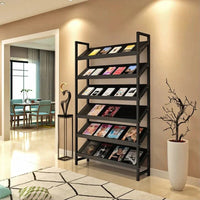
Bookcase Storage Cabinet 71 in Tall for Home Office
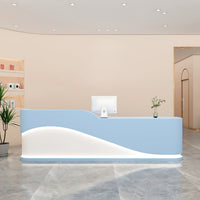
Curved Reception Desk 47-94 in Wide with Keyboard Tray, File Drawers & LED Lighting
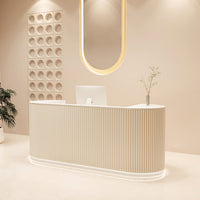
Curved Reception Desk 63-142 in Wide with Keyboard Tray, File Drawers & Fluted Front
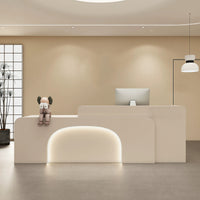
Curved Reception Desk 47-150 in Wide with LED Lighting, Keyboard Tray & File Drawers

Ergonomic Office Chair with Swivel, Curved & Dual-Tone for Home Office

Modern Executive Desk 25-110 in Wide with Side Storage for Home Office

Executive Office Desk with Built-In Power and Storage
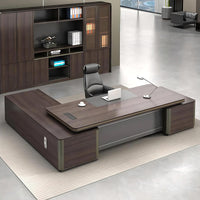
Modern Executive Desk 22-126 in Wide with Curved & Cable Management for Home Office
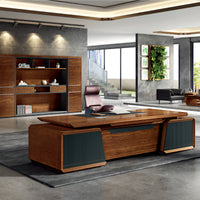
Modern Executive Desk 28-142 in Wide with Walnut for Home Office

Practical L-Shaped Side Storage Executive Desk with Cable Management

Content Menu ● Understanding the Benefits of an L-Shaped Reception Desk >> What Makes L-Shaped Desks Popular? >> Space Efficiency and Layout Compatibility ● Key Factors to Consider When Choosing an L-Shaped Reception Desk...
Aug 07, 2025
Content Menu ● Understanding L-Shaped Reception Desks >> What is an L-Shaped Reception Desk? >> Benefits of L-Shaped Reception Desks ● Why Choose Kaguyasu for L-Shaped Reception Desks? >> Commitment to Quality and Design >> Wide...
Aug 06, 2025
Content Menu ● Why Choose an L-Shaped Reception Desk? >> Space-Efficient and Practical Layout >> Enhanced Interaction and Accessibility >> Stylish and Professional Appearance ● Key Features to Look for in an L-Shaped Reception Desk...
Aug 06, 2025