
Select a checkout option below
Your cart is currently empty.
Continue shopping
Content Menu
● Understanding the Importance of Executive Desks
>> Why Executive Desks Matter in Corporate Offices
>> Key Functions of Executive Desks
● Styles of Executive Desks for Corporate Settings
>> Traditional Executive Desks
>> Modern Executive Desks
>> L-Shaped and U-Shaped Desks
>> Adjustable and Standing Executive Desks
● Choosing the Right Material for Your Desk
>> Solid Wood
>> Veneer
>> Metal
>> Glass
>> Engineered Wood and Laminate
● Factors to Consider When Selecting Executive Desks
>> Office Space and Layout
>> Storage Requirements
>> Ergonomics
>> Technology Integration
>> Style and Brand Image
>> Budget
● Essential Features to Look For
>> Surface Size and Shape
>> Storage and Organization
>> Cable Management Systems
>> Finish and Maintenance
>> Security Features
● Tips for Purchasing Executive Desks
>> Test Comfort and Functionality
>> Check Warranty and After-Sales Support
>> Consider Sustainability
>> Customization Options
● Maintaining and Caring for Executive Desks
● Frequently Asked Questions
Choosing the right executive desk for a corporate office is a critical decision that impacts functionality, aesthetics, and productivity. This comprehensive guide will walk you through everything you need to consider, from design styles and material choices to ergonomic features and space planning. By the end, you will be equipped with the knowledge to select an executive desk that matches the professional environment and supports the workflow of top-level executives.

Executive desks serve as more than just work surfaces. They represent the status and professionalism of an office, influence productivity, and contribute to the overall office design. Selecting the ideal desk involves balancing style, comfort, and technology integration while fitting within budget and space constraints.
Executive desks are often the centerpiece of an office. They create a powerful impression on clients, colleagues, and visitors. A well-chosen desk supports leadership presence and fosters an efficient working environment by providing ample workspace and storage.
- Provide a large surface area for multitasking and device placement
- Incorporate sufficient storage options for documents and supplies
- Ensure ergonomics to reduce strain during long working hours
- Offer durability to withstand daily use
- Facilitate cable management and technology integration
Understanding various desk styles enables you to choose a design that complements the office's interior and company culture.
Traditional desks often feature rich wood finishes, detailed carvings, and classic silhouettes. They convey elegance, authority, and stability — qualities many law firms, financial institutions, and established corporate offices favor.
Modern designs emphasize clean lines, minimalism, and functionality. Often made from materials such as metal, glass, or engineered wood, they suit tech startups, contemporary firms, and creative industries seeking sleek, clutter-free aesthetics.
These desks provide expansive workspace and help define office zones. The L-shape offers corner space optimization, while U-shaped desks allow for easy access to multiple surfaces and storage units.
To promote health and comfort, some offices equip executive spaces with height-adjustable desks that allow sitting or standing. This encourages movement and helps prevent fatigue from prolonged sitting.
Material choice affects durability, maintenance, and office ambiance. Here's an overview of common materials for executive desks.
Solid wood desks are appreciated for their luxury, durability, and timeless appeal. Common woods include oak, mahogany, cherry, and walnut, each with its unique grain and color characteristics.
Wood veneer desks combine a thin layer of fine wood over an engineered core. They offer the aesthetics of solid wood at a more affordable price and lighter weight.
Metal desks provide strength and a modern industrial look. They require minimal maintenance and are often combined with other materials to soften their appearance.
Glass tabletops contribute to a contemporary and spacious feel. Tempered glass is commonly used for safety, but glass desks may require frequent cleaning and careful handling.
Manufactured from compressed wood particles, these are budget-friendly and come in various finishes. They are durable and resist scratches but may not have the same prestige as solid wood.
Making the right choice involves considering multiple factors related to office space, user needs, and technology.
Assess the room size and shape to ensure the desk fits comfortably without limiting movement. Consider the desk's placement relative to windows, doors, and other furniture.
Determine the volume and type of storage needed. Options include built-in drawers, file cabinets, open shelves, and credenzas.
Executive desks should support good posture with appropriate height, legroom, and keyboard positioning. Incorporating ergonomic accessories like adjustable chairs and monitor stands further enhances comfort.
Modern offices require desks that facilitate cable management, have built-in power outlets, USB ports, and mounts for monitors or accessories.
The desk must align with the company's branding and culture. For example, a high-gloss modern desk suits a tech startup, whereas a dark wood traditional desk fits a law firm.
Decide on a budget that balances quality, features, and aesthetics. Remember that a durable, well-designed executive desk is an investment with long-term payback.
To ensure functionality and executive appeal, pay attention to these features when selecting a desk.
The surface should be spacious enough to accommodate computers, documents, and meeting essentials without clutter.
Integrated drawers with locks provide security. Additional modular storage offers flexibility.
Built-in grommets, cable trays, or channels help organize cords and keep the workspace tidy.
Choose finishes that resist scratches and stains. Matte finishes are good at hiding fingerprints compared to glossy surfaces.
For confidential workplaces, desks with lockable drawers and compartments are crucial.
Whenever possible, test the desk's height, legroom, drawer accessibility, and surface feel.
Reliable manufacturers offer warranties and customer support for maintenance and repairs.
Eco-friendly materials and manufacturing practices support corporate social responsibility initiatives.
Many vendors offer bespoke desks tailored to specific dimensions, materials, or design preferences.
Proper care ensures longevity and preserves appearance.
- Dust regularly with a soft cloth
- Use appropriate cleaning agents for material types
- Avoid direct sunlight to prevent fading
- Protect the surface with desk mats or coasters
- Address scratches or dents swiftly
Q1: What size executive desk is best for a medium-sized office?
A1: A desk with a surface area of approximately 60-72 inches wide and 30-36 inches deep typically suits a medium office, balancing ample workspace and room efficiency.
Q2: How important is cable management in executive desks?
A2: Cable management is very important to maintain a clean, organized workspace which enhances productivity and prevents accidents related to tripping over cables.
Q3: Can executive desks be customized to fit specific needs?
A3: Yes, many manufacturers offer customization options such as adjustable heights, storage configuration, and material finishes to meet specific office needs.
Q4: What ergonomic considerations are crucial in executive desks?
A4: Key ergonomic factors include appropriate desk height, sufficient legroom, rounded edges for comfort, and compatibility with ergonomic chairs and accessories.
Q5: Are wooden executive desks better than metal or glass for corporate offices?
A5: It depends on the office style and needs. Wooden desks offer classic elegance and warmth, metal desks provide durability and a modern look, and glass desks contribute to a sleek, open feel. Choice depends on brand image and practical requirements.
Hot Tags: China, Global, OEM, private label, manufacturers, factory, suppliers, manufacturing company

Leather Executive Office Chair with Genuine Leather, Solid Wood & Lumbar Support

Mesh Ergonomic Office Chair with Breathable Mesh & Lumbar Support for Executive Office
Bookcase Storage Cabinet 71 in Tall for Home Office
Curved Reception Desk 47-94 in Wide with Keyboard Tray, File Drawers & LED Lighting
Curved Reception Desk 63-142 in Wide with Keyboard Tray, File Drawers & Fluted Front
Curved Reception Desk 47-150 in Wide with LED Lighting, Keyboard Tray & File Drawers

Ergonomic Office Chair with Swivel, Curved & Dual-Tone for Home Office

Modern Executive Desk 25-110 in Wide with Side Storage for Home Office

Executive Office Desk with Built-In Power and Storage
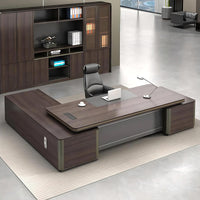
Modern Executive Desk 22-126 in Wide with Curved & Cable Management for Home Office
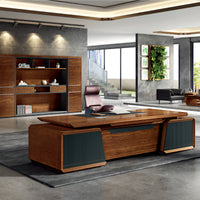
Modern Executive Desk 28-142 in Wide with Walnut for Home Office

Practical L-Shaped Side Storage Executive Desk with Cable Management

Content Menu ● Understanding the Purpose of Executive Desks >> The Role of Executive Desks in Professional Settings ● Design and Size Differences >> Larger Surface Area >> Sophisticated and Elegant Design >> More Storage Options...
Sep 18, 2025
Content Menu ● Why Executive Desks Matter in 2025 >> The Role of Executive Desks in Professional Environments >> Trends Influencing Executive Desk Design ● Top Executive Desk Manufacturers in 2025 >> kaguyasu: A Leader...
Sep 17, 2025
Content Menu ● Understanding Your Leadership Style >> The Authoritative Leader >> The Collaborative Leader >> The Innovative Leader >> The Detail-Oriented Leader ● Key Factors to Consider When Choosing an Executive Desk >> Size and Space...
Sep 17, 2025