
Select a checkout option below
Your cart is currently empty.
Continue shopping
Content Menu
● Introduction
● What is Open-Concept Office Design?
>> Defining Open-Concept Offices
>> Benefits of Open-Concept Offices
>> Challenges of Open-Concept Layouts
● The Importance of Storage in Open-Concept Offices
>> Maintaining Organization and Reducing Clutter
>> Supporting Employee Productivity
>> Enhancing Privacy and Personal Space
● Types of Storage Cabinets Suitable for Open Offices
>> Freestanding Cabinets
>> Wall-Mounted Cabinets
>> Under-Desk Storage
>> Modular Storage Systems
● Design Strategies for Incorporating Storage Cabinets in Open Offices
>> Using Storage Cabinets as Space Dividers
>> Coordinating Cabinets with Office Aesthetics
>> Balancing Accessibility with Concealment
>> Encouraging Personalization within Uniformity
● Impact of Storage Cabinets on Workplace Efficiency and Culture
>> Facilitating Better Workflow
>> Supporting Collaboration
>> Boosting Employee Well-Being
>> Promoting Sustainability
● Technologies and Innovations in Office Storage
>> Smart Cabinets with Digital Locks
>> Integrated Charging Stations
>> Modular and Movable Solutions
>> Space-Saving Designs
● Case Studies: Successful Integration of Storage Cabinets
>> Tech Startup Office
>> Creative Agency Workspace
>> Large Corporate Headquarters
● Challenges and Solutions in Using Storage Cabinets
>> Challenge: Overcrowding and Space Constraints
>> Challenge: Visual Clutter from Storage Units
>> Challenge: Balancing Flexibility and Permanence
>> Challenge: Ensuring Security in Open Environments
>> Challenge: Compatibility with Office Culture
● Conclusion
● Frequently Asked Questions (FAQs)
>> 1. Why are storage cabinets important in open-concept offices?
>> 2. What types of storage cabinets work best for open offices?
>> 3. How can storage cabinets help balance privacy in an open office?
>> 4. Are storage cabinets flexible enough for dynamic office layouts?
>> 5. How do storage cabinets impact employee well-being?
Open-concept office design has become a popular trend in workplaces across the globe. By eliminating walls and barriers, these layouts aim to foster collaboration, creativity, and communication among employees. However, one of the key challenges in open-concept offices is maintaining cleanliness, organization, and personal storage space without compromising the open flow. This is where storage cabinets come into play. Storage cabinets are essential components that blend practicality with design, helping to support the functionality of open workspaces.
In this article, we will explore the integral role of storage cabinets in open-concept office design. We will examine how storage solutions impact productivity, employee satisfaction, aesthetic appeal, and overall spatial efficiency. Furthermore, we will suggest design strategies for incorporating cabinets seamlessly into open offices, balancing openness with organization.

Open-concept office design refers to a floor plan that emphasizes openness and minimal use of enclosed private offices or cubicles. Instead, large communal workspaces feature desks arranged in clusters or rows, encouraging interaction and teamwork.
The primary benefits include enhanced communication, increased transparency, and a more flexible work environment. This design can lead to quicker decision-making and idea-sharing, creating a dynamic and connected workplace culture.
Despite these advantages, open offices face hurdles such as noise distractions, lack of privacy, and difficulty in managing personal belongings. Clutter and disorganization risk escalating without clearly defined storage solutions.
In open environments, unsightly clutter can quickly take over and undermine the clean design aesthetic. Storage cabinets offer a designated place for office supplies, files, and personal items, helping keep the workspace neat and orderly.
A clutter-free environment fosters a focused mindset. When employees have easy access to organized storage, they waste less time searching for materials and feel more in control of their workspace. This enhances overall productivity.
Open offices often sacrifice physical privacy. Storage cabinets, especially those that provide lockable compartments, offer employees a secure spot for their belongings, preserving a sense of ownership and personal boundaries.
Freestanding storage units are versatile and can be rearranged to fit changing office needs. They often come in sleek, modern designs that complement open-plan aesthetics.
- Advantages: Mobility, variety of sizes, and styles; can serve dual purposes as partitioning elements.
- Disadvantages: May occupy valuable floor space if not planned properly.
Wall-mounted cabinets help save floor space and maintain a streamlined look. They are ideal for storing frequently used items within easy reach without cluttering desk surfaces.
- Advantages: Space-saving, keeps the floor clear, adds to clean lines.
- Disadvantages: Limited storage size and weight capacity.
These compact cabinets fit under desks and provide personal storage for employees. They often feature drawers and lockable compartments for confidential material.
- Advantages: Personalized storage, maximizes desk space, enhances privacy.
- Disadvantages: May feel cramped if not ergonomically designed.
Modular cabinets can be customized and reconfigured as office needs evolve. They support flexibility and help embed storage into the office layout cohesively.
- Advantages: Scalability, adaptability, and integration with office furniture.
- Disadvantages: Higher initial cost and may require professional installation.
Storage cabinets can double as partitions to create semi-private areas within open settings without full walls. This helps define zones such as meeting areas or quiet workspaces while providing needed storage.
Choosing cabinets that match the office color schemes, materials, and design style helps maintain visual harmony. Sleek metal, wood finishes, or vibrant colors can all be integrated based on brand identity and office culture.
It's important for storage to be easily accessible to employees yet not overly exposed. Using cabinets with doors or drawers helps conceal clutter and maintain a tidy environment.
While uniform storage units promote clean lines, allowing employees some personalized storage options, such as customizable fronts or locker magnets, can enhance comfort and satisfaction.
Organized storage enables smoother workflow by ensuring that necessary files and tools are systematically stored and quickly retrieved. Reducing downtime searching for essentials enhances operational efficiency.
Storage cabinets help organize shared resources such as office supplies, collaborative project files, or technology accessories. This communal access supports teamwork while promoting accountability.
Employees who feel their workspace is orderly and their belongings are secure tend to have higher morale. Adequate storage helps reduce work-related stress and promotes a positive office experience.
Choosing eco-friendly materials and multi-functional cabinets contributes to workplace sustainability efforts. Durable and modular cabinets reduce the need for frequent replacements.
Innovations include cabinets equipped with digital locks and access controls, enhancing security for sensitive documents and personal devices.
Some storage units now come with built-in charging docks for laptops, phones, and other devices, supporting the tech needs of modern offices.
Innovative modular storage that can be easily moved or reconfigured without tools provides adaptability, especially for dynamic work environments.
Vertical storage, hidden compartments, and multi-use furniture serve to maximize space in offices where every square foot counts.
At a fast-growing tech company, modular storage cabinets were placed strategically to create breakout areas and defined zones for different teams. The movable units allowed the office layout to adjust quickly to changing team sizes.
A creative agency utilized colorful wall-mounted cabinets to reflect its vibrant culture. The cabinets doubled as art display areas and storage, making them both functional and expressive.
In a large corporate headquarters with an open floor plan, under-desk lockable cabinets were standard, giving employees secure personal space while maintaining transparency and collaboration.
- Solution: Utilize vertical wall-mounted cabinets and multi-functional furniture to optimize limited space.
- Solution: Adopt uniform cabinet designs and hidden storage options to maintain a clean aesthetic.
- Solution: Choose modular and mobile storage options that can evolve with workplace needs.
- Solution: Incorporate lockable cabinets and digital access controls to protect confidential materials.
- Solution: Involve employees in storage choices and offer personalization options to align with their work styles.
Storage cabinets play a pivotal role in the success of open-concept office designs. They are essential for maintaining organization, enhancing productivity, preserving personal space, and contributing to the office's visual appeal. Thoughtful selection and placement of storage cabinets can transform open spaces into highly functional, efficient, and pleasant work environments. As offices continue to evolve, integrating innovative, flexible, and employee-centric storage solutions will remain a cornerstone of effective open-concept workplace strategies.

Storage cabinets help organize workspaces, reduce clutter, provide personal storage, and support productivity in open areas that lack traditional enclosed offices.
Modular, freestanding, wall-mounted, and under-desk cabinets are all effective depending on space and employee needs.
Lockable cabinets offer secure personal space for belongings, creating a sense of ownership even in open environments.
Yes, modular and mobile storage units can be reconfigured to accommodate changes in team size or office design.
They reduce stress by keeping workspaces organized and ensuring personal items are safe, contributing to a positive office atmosphere.
Hot Tags: China, Global, OEM, private label, manufacturers, factory, suppliers, manufacturing company

Leather Executive Office Chair with Genuine Leather, Solid Wood & Lumbar Support

Mesh Ergonomic Office Chair with Breathable Mesh & Lumbar Support for Executive Office
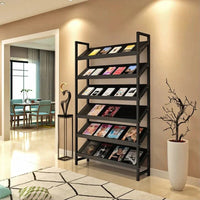
Bookcase Storage Cabinet 71 in Tall for Home Office
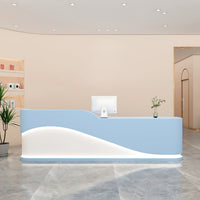
Curved Reception Desk 47-94 in Wide with Keyboard Tray, File Drawers & LED Lighting
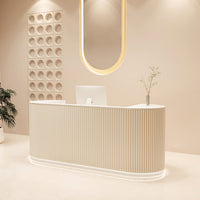
Curved Reception Desk 63-142 in Wide with Keyboard Tray, File Drawers & Fluted Front
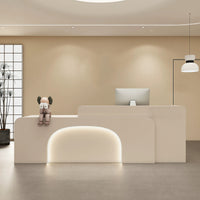
Curved Reception Desk 47-150 in Wide with LED Lighting, Keyboard Tray & File Drawers

Ergonomic Office Chair with Swivel, Curved & Dual-Tone for Home Office

Modern Executive Desk 25-110 in Wide with Side Storage for Home Office
Modern Executive Desk 22-126 in Wide with Curved & Cable Management for Home Office
Modern Executive Desk 28-142 in Wide with Walnut for Home Office

Content Menu ● Why Durable Storage Cabinets Matter in High-Traffic Workspaces >> The Impact of High-Traffic Environments on Storage Solutions >> Benefits of Durable Cabinets in Busy Workspaces ● Key Features of Durable Storage...
Aug 25, 2025
Content Menu ● Understanding Sustainable Offices >> What Defines a Sustainable Office? >> Why Storage Solutions Matter ● Key Features of Eco-Friendly Storage Cabinets >> Sustainable Materials >> Durability and Longevity >> Modular and Flexible Design ● Environmental...
Aug 24, 2025
Content Menu ● Understanding the Needs of Growing Teams >> The Challenges of Growth in Team Dynamics >> Limitations of Standard Storage Solutions ● What Are Customizable Storage Cabinets? >> Definition and Features >> Types of...
Aug 24, 2025