
Select a checkout option below
Your cart is currently empty.
Continue shopping
Content Menu
● Why Storage Matters in Small Offices
>> The Psychological Impact of Clutter
● The Versatility of Compact Storage Cabinets
>> Types of Compact Storage Cabinets
● Planning Your Small Office Storage Layout
>> Evaluating Storage Needs
>> Maximizing Space Utilization
● Practical Tips for Choosing Storage Cabinets
>> Material and Durability
>> Accessibility
>> Aesthetics and Branding
>> Mobility
● Organization Solutions Within Cabinets
>> Filing Solutions
>> Supply Storage
>> Tech and Gadgets
● Space-Saving Storage Hacks
>> Under-desk Storage
>> Wall-Mounted Solutions
>> Smart Stacking
>> Modular and Customizable Units
● Integrating Storage with Office Furniture
● Maintaining a Clutter-free Environment
>> Purge Regularly
>> Label Everything
>> Encourage Ownership
● Case Studies: Small Office Storage Solutions in Action
>> Tech Startup: Leveraging Vertical Space
>> Design Studio: Modular Magic
>> Virtual Agency: Mobile Storage
● Balancing Cost vs. Value
● Sustainability Considerations
● The Future of Office Storage
● Frequently Asked Questions
Modern office environments—especially in urban settings—often require making the most of limited space. As businesses shift towards flexible work arrangements and smaller physical locations, the need to maximize every square foot becomes paramount. One of the most effective strategies for boosting efficiency and comfort in a small office is investing in compact storage cabinets. These versatile pieces provide functionality, visual appeal, and organization, transforming even the smallest office into a productive hub.

Cluttered workspaces don't just look unprofessional—they actively impede productivity and increase stress. In a small office, every item takes up valuable room. As such, prioritizing smart storage options ensures the space remains open, functional, and welcoming.
A tidy workspace isn't just pleasing to the eye; it directly influences focus, creativity, and well-being. Studies suggest that individuals working in organized spaces are less distracted, take fewer sick days, and demonstrate higher job satisfaction. In cramped offices, even a few misplaced files or supplies can cause disorder. Compact storage cabinets help eliminate this problem by offering designated spaces for every office necessity.
Compact storage cabinets are more than just scaled-down versions of traditional office storage units. They are specifically designed to meet the unique demands of smaller spaces, ensuring offices can enjoy a blend of accessibility, aesthetic charm, and space-saving efficiency.
Small offices can benefit from various cabinet types, including:
- Vertical Cabinets: Tall and slim, these maximize vertical real estate, leaving the floor area more open.
- Mobile Cabinets: Fitted with wheels, these can be moved under desks or out of the way as needed.
- Wall-mounted Cabinets: Attaching to the wall, these free up floor space and can double as display shelves.
- Low-profile Cabinets: Designed to fit under windows or other low-clearance areas.
- Multi-purpose Cabinets: Feature a mix of shelves, drawers, and file spaces for versatile storage needs.
Before purchasing new lockers or cabinets, it's crucial to assess the particular needs and layout of your office space.
Follow these steps to build an efficient storage plan:
1. Inventory Assessment: List all items that need storing, from files and documents to office supplies and electronics.
2. Usage Frequency: Categorize items by frequency of use. Daily-use items should be more accessible.
3. Growth Projection: Anticipate future storage needs based on business expansion or seasonal changes.
- Use Corners: Install corner cabinets to take advantage of typically wasted areas.
- Double-duty Furniture: Choose cabinets that offer additional surface space for printers, coffee machines, or décor.
- Stack and Layer: When possible, opt for stackable units or build vertically upwards.
Making the best storage choices is about more than size. Consider the following:
- Metal Cabinets: Durable, fire-resistant, and ideal for storing sensitive documents.
- Wood Cabinets: Warm, professional appearance—well-suited for client-facing offices.
- Plastic Cabinets: Lightweight, easy to clean, generally less expensive.
Efficient offices make it easy for employees to retrieve and store items. Look for:
- Drawers with smooth-glide mechanisms
- Lockable compartments for sensitive materials
- Adjustable shelving to accommodate items of varying sizes
Compact cabinets come in many colors and finishes. Picking a style that complements your brand motif or office décor can make the workspace more inviting for employees and clients.
Opt for mobile storage cabinets when reconfigurability is needed. This is particularly useful in shared office setups or for businesses that rearrange their floor plan regularly.
How you arrange the contents of your cabinets is as important as the cabinets themselves.
Even as offices go digital, physical paperwork persists. File drawers, standing folders, or modular inserts help maintain order and make retrieval quick and efficient.
For smaller supplies, divide interior shelves with bins or baskets. Using labeled containers or drawer organizers prevents the “junk drawer” phenomenon.
Offices are full of cables, chargers, and devices. Plan for a cabinet near desks, fitted with cord holes or charging stations, to keep gadgets organized and ready-to-use.
When floor space is at a premium, creativity can further boost storage capacity.
Small rolling cabinets or caddies fit beneath workstations, storing necessities while remaining out of sight.
Install slim floating cabinets or wall boxes above eye level to keep bulky or infrequently used items off desks.
Opt for sturdy cabinets that can be safely stacked, doubling storage volume without expanding your office's footprint.
Some manufacturers offer modular units—mix and match components to create personalized systems.
Today's office furniture is designed with multitasking in mind. Many desks now come with integrated drawers or built-in shelves, while some conference tables feature hidden compartments.
- Desk/cabinet combos keep personal supplies close at hand.
- Cabinets with seating tops serve as impromptu meeting spots or waiting areas.
Choosing the right storage is the first step; maintaining it is equally important.
Set a schedule to discard outdated paperwork and supplies. Regular clean-outs prevent storage from becoming a burden.
Use clear, concise labels to indicate the contents of each cabinet or drawer. This simple habit saves time and promotes universal organization throughout the office.
Assign responsibility for communal cabinets to designated staff. Rotating this duty fosters a culture of mindfulness and shared responsibility.
A tech startup with just 600sqft organized all documents and supplies using wall-mounted, vertical cabinets. This left floor space free for collaborative work stations and encouraged more movement and communication.
A two-person graphic design studio adopted modular cabinets stacked against one wall, combining closed storage for sensitive client materials and open cubbies for inspirational items and supplies. The result was a visually stimulating workspace that supported creative processes.
For a team that only meets in-person twice weekly, mobile storage units allowed employees to lock away personal and tech equipment, then neatly roll them into a corner at week's end. This flexibility supported the agency's hybrid work model and maximized the shared space.
While premium storage solutions can seem costly, the return in efficiency and professional image is considerable. Customized modular systems or high-end cabinetry may be worth the investment for client-facing offices or creative industries, whereas budget-friendly options like plastic or “assemble-it-yourself” cabinets can meet the needs of remote or temporary teams.
Sustainable offices are increasingly in demand, and storage solutions can play a role:
- Choose recycled materials whenever possible.
- Select durable units to minimize replacement waste.
- Donate or recycle old furniture rather than discard.
With remote and hybrid work gaining traction, demand for flexible and reconfigurable storage will only grow. Expect trends like collapsible cabinets, modular units with built-in tech charging, and smart storage that integrates with office management systems.

1. How can I determine the right size cabinet for my small office?
Start by measuring your available space and making a complete list of items that require storage. Prioritize daily-use items for most accessible locations and choose adjustable-shelf cabinets for evolving needs.
2. Is it better to choose wall-mounted or floor-standing cabinets for small offices?
Wall-mounted cabinets are ideal for saving floor space and keeping items off work surfaces, but sturdy floor-standing options may offer more storage volume and flexibility.
3. What materials are best for compact storage cabinets in high-traffic offices?
Metal cabinets are durable and secure for high-traffic areas; however, wood or laminated units add warmth and style to private or managerial offices.
4. How often should I clean out and reorganize small office storage cabinets?
A quarterly clean-out is recommended to keep clutter at bay. Some offices benefit from monthly “purge days,” especially in fast-paced environments.
5. Can compact storage cabinets help with office security?
Yes, many models feature lockable doors and drawers for securing confidential documents, office equipment, or valuable supplies.
Hot Tags: China, Global, OEM, private label, manufacturers, factory, suppliers, manufacturing company

Leather Executive Office Chair with Genuine Leather, Solid Wood & Lumbar Support

Mesh Ergonomic Office Chair with Breathable Mesh & Lumbar Support for Executive Office
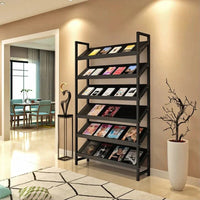
Bookcase Storage Cabinet 71 in Tall for Home Office
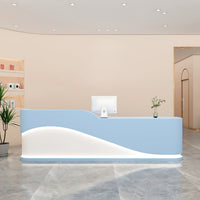
Curved Reception Desk 47-94 in Wide with Keyboard Tray, File Drawers & LED Lighting
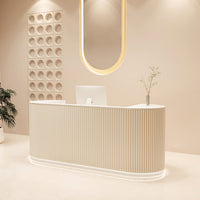
Curved Reception Desk 63-142 in Wide with Keyboard Tray, File Drawers & Fluted Front
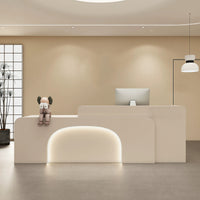
Curved Reception Desk 47-150 in Wide with LED Lighting, Keyboard Tray & File Drawers

Ergonomic Office Chair with Swivel, Curved & Dual-Tone for Home Office

Modern Executive Desk 25-110 in Wide with Side Storage for Home Office
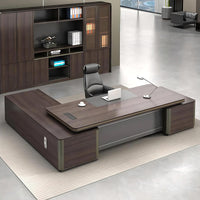
Modern Executive Desk 22-126 in Wide with Curved & Cable Management for Home Office
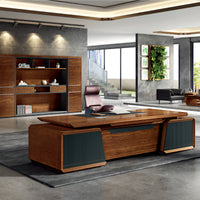
Modern Executive Desk 28-142 in Wide with Walnut for Home Office

Content Menu ● Introduction: Why Storage Cabinets Matter in Modern Offices ● 1. Modular Storage Cabinets >> Flexibility for Agile Environments >> Key Features >> Ideal For ● 2. Wall-Mounted Cabinets >> Space-Saving Solutions >> Distinct Advantages >> Practical...
Jul 26, 2025
Content Menu ● Understanding Modular Storage Cabinets >> What Are Modular Storage Cabinets? >> Comparison With Traditional Storage Solutions ● Key Benefits of Modular Storage Cabinets in Office Design >> Design Flexibility and Customization >> Maximizing...
Jul 24, 2025
Content Menu ● Types of Office Storage Cabinet Materials >> Wood Cabinets >>> Solid Wood >>> Wood Veneers >>> Plywood >>> Medium Density Fiberboard (MDF) >> Metal Cabinets >> Laminate Cabinets >> Particle Board Cabinets ● Key Factors in Choosing...
Jul 24, 2025