
My office
Your cart (0)
Your cart is ready for a fresh start.
Explore office furniture designed for focused, comfortable work.
Continue shoppingMy office
Explore office furniture designed for focused, comfortable work.
Continue shoppingContent Menu
>> Planning Your Reception Desk
>>> Assessing Your Needs and Space
>>> Setting a Budget
>>> Selecting a Design Style
>> Essential Tools and Materials
>>> Tools
>>> Materials
>> Building the Frame
>>> Step-by-Step Guide to Constructing the Frame
>>> Material Options for the Frame
>>> Tips for Ensuring Stability and Durability
>> Assembling the Desk Components
>> Securing the Desk to the Floor or Wall
>> Final Adjustments and Inspections
>> Positioning the Reception Desk in the Office
>> Designing for Functionality and Style
>> Conclusion
>> Frequently Asked Questions
>> Citations:
Building a reception desk is a rewarding DIY project that can enhance the aesthetic and functionality of your office space. It requires careful planning, precise execution, and attention to detail. Here's a comprehensive guide to help you through the process.
Before you start building, it's essential to plan your reception desk carefully. This involves assessing the space where the desk will be placed, setting a budget, and selecting a design style that complements your office décor.
1. Measure the Area: Start by measuring the dimensions of the space where the desk will go. Consider the workflow and ensure there's enough room for your receptionist to move comfortably.
2. Identify Key Features: Think about storage needs, outlets for computers and phones, and the amount of desk space required for tasks.
3. Choose a Location: Position the desk in a way that makes it accessible for both staff and visitors.
1. List Required Materials: Include wood, nails, screws, and finishes in your budget.
2. Account for Tools: Decide whether you need to buy or rent special tools.
3. Allow for Unexpected Expenses: Set aside some funds for unexpected costs.
1. Match the Aesthetic: Ensure the desk complements the existing décor.
2. Consider Practicality: Think about the daily usage and ensure the design is both functional and visually appealing.
3. Choose Quality Materials: Opt for materials that offer durability and ease of maintenance.
To build a reception desk, you'll need the right tools and materials. Here's a list of essentials:
- Measuring Tape: For accurate measurements.
- Handsaw or Circular Saw: To cut wood to the required sizes.
- Drill and Drill Bits: For making holes for screws.
- Screwdriver: Manual or electric, both are useful.
- Sanding Block or Electric Sander: To smooth out wooden surfaces.
- Clamps: For holding pieces together while the glue dries.
- Paint Brushes and Rollers: For applying finishes.
- Plywood or MDF Boards: For the main structure of the desk.
- Wood Glue: To secure pieces before screwing or nailing.
- Screws and Nails: Different sizes for various parts of the desk.
- Laminate or Veneer: For a polished finish.
- Foam and Batting Fabric: For creating cushioned surfaces.
- Satin Fabric: Adds a decorative touch.
- Paint or Stain: Choose based on your desired finish.
Constructing the frame is a crucial step in building your reception desk. Here's how to do it:
1. Measure and Cut Wooden Boards: Cut your wooden boards to the desired dimensions. Accurate measurements are crucial.
2. Assemble the Base: Lay out the base pieces on a flat surface and fasten them using wood screws and glue. Ensure the base is square.
3. Add Vertical Supports: Attach vertical supports to the base to determine the height of your desk.
4. Install Cross Beams: Add cross beams between the vertical supports for extra support.
5. Attach the Desktop Panel: Place the desktop panel on top of the frame and secure it with screws from underneath.
- Wood: Plywood, MDF, and solid wood are popular choices. Plywood and MDF are cost-effective, while solid wood offers superior strength and aesthetics.
- Metal: Metal frames can provide an industrial look and added robustness.
- Composite Materials: These offer durability and versatility, and are lightweight.
- Use Quality Fasteners: Invest in high-quality screws and nails.
- Reinforce Joints: Use corner brackets or metal plates to strengthen critical joints.
- Check for Level Surfaces: Ensure all parts are level and square during assembly.
Once the frame is ready, it's time to assemble the desk components:
1. Gather Pre-cut Wood Pieces: Lay them out and identify which pieces are for the front, sides, and top.
2. Attach Side Panels: Use nails or screws to attach the side panels to the front panel.
3. Add Back Panel and Top Surface: Ensure the top is even using a level.
4. Secure Connections: Add extra screws or brackets if needed.
5. Install Shelves or Drawers: If included in your design, make sure they are sturdy and fit well.
To ensure stability, secure the desk to the floor or wall:
1. Use L-brackets for Wooden Floors: Anchor the desk legs to the floor.
2. Use Wall Anchors for Walls: Mark positions for brackets, drill holes, and insert wall anchors.
1. Check for Loose Connections: Tighten any loose screws or brackets.
2. Ensure Level Surfaces: Use a level to adjust if necessary.
3. Inspect for Rough Edges: Sand down any sharp edges or splinters.
4. Test Movable Parts: If the desk has drawers, ensure they slide smoothly.
Placing the reception desk in the right location is crucial for both functionality and aesthetics:
1. Visible from the Entrance: Ensure the desk is visible and easily accessible.
2. Consider Lighting: Position the desk in a well-lit area.
3. Adjust Height: The visitor side should be around 110 cm high, while the receptionist side should be about 80 cm for comfortable working.
When designing your reception desk, consider the following:
1. Number of Users: How many people will be using the desk?
2. Customer Flow: How many customers will be at the desk at once?
3. Electronic Equipment: Will you need to accommodate PCs, printers, or phones?
4. Storage Needs: Do you require shelves or drawers?
5. Accessibility: Will the desk need to accommodate wheelchair users?
Building a reception desk is a fun and rewarding project that can enhance your office's first impression. With careful planning, the right tools, and attention to detail, you can create a functional and stylish desk that reflects your office's personality.

1. What materials are best for building a reception desk?
- Plywood, MDF, and solid wood are popular choices for the frame. Metal frames can also provide a sturdy and industrial look.
2. How do I ensure my reception desk is stable?
- Use quality fasteners, reinforce joints with corner brackets, and ensure all surfaces are level during assembly.
3. What is the ideal height for a reception desk?
- The visitor side should be around 110 cm high, while the receptionist side should be about 80 cm for comfortable working.
4. How do I secure my reception desk to the floor or wall?
- Use L-brackets for wooden floors or wall anchors for walls to prevent the desk from moving.
5. What tools do I need to build a reception desk?
- Essential tools include a measuring tape, handsaw or circular saw, drill, screwdriver, sanding block, and clamps.
6. How much does it cost to build a reception desk?
- The cost can vary based on materials and design complexity, but a basic DIY project can cost around $500.
7. What design considerations should I keep in mind for a reception desk?
- Consider the number of users, customer flow, electronic equipment needs, storage requirements, and accessibility features.
8. How do I choose the right location for my reception desk in the office?
- Position the desk where it is visible from the entrance, in a well-lit area, and accessible for both staff and visitors.
[1] https://archicfurniture.com/blogs/furniture/diy-receptionist-desk
[2] https://www.woodbrew.tv/blog/reception-desk-build
[3] https://www.tayco.com/wp-content/uploads/2022/11/Reception-Station-installation-guide_1122.pdf
[4] https://www.woodbrew.tv/store/p/diy-reception-desk-plans
[5] https://www.desmon.com/en/where-positioning-the-reception-desk-in-an-office/
[6] https://learningcentre.officeinteriors.ca/blog/reception-desk-101
[7] http://www.colintonfurniture.co.uk/how-to-design-a-reception-desk/
[8] https://www.doityourself.com/forum/carpentry-cabinetry-interior-woodworking/552272-reception-desk-plywood-mdf.html
[9] https://www.youtube.com/watch?v=H3rjeum_UY8
[10] https://grayhousestudio.com/two-level-desk-diy/
[11] https://www.youtube.com/watch?v=n_p8hvp70hw
[12] https://www.youtube.com/watch?v=QoO8MQpT26E
[13] https://lazyguydiy.com/lazy-guy-diy/2016/06/15/FLOW-Cycle-Studio-Reception-Desk/
[14] https://www.pinterest.com/pin/diy-reception-desk-plans-woodbrew--379780181082493493/
[15] https://www.youtube.com/watch?v=WJsSsWwZT78
[16] https://www.youtube.com/watch?v=Tiekmwju8bU
[17] https://www.reddit.com/r/DIY/comments/113xeg4/reception_desk_build_for_my_wifes_dog_training/
[18] https://www.pinterest.com/pin/diy-reception-desk--94294185940904080/
[19] https://kaguyasu.com/blogs/blog/how-to-build-a-reception-desk
[20] https://a2zmillwork.com/blog/ultimate-guide-to-reception-desk-design-amp-intricate-workshop-drawings/
[21] https://study.com/academy/practice/quiz-worksheet-reception-desk-tasks.html
[22] https://m2-retail.com/blogs/news/diy-reception-desk-ideas-for-hair-salon-owners-on-a-budget
[23] https://www.askcody.com/blog/visitor-management-solution-for-common-front-desk-problems
[24] https://www.indeed.com/career-advice/interviewing/front-desk-interview-questions
[25] https://rochoff.com/how-to-build-a-reception-desk/
[26] https://boofurniture.com/how-deep-long-reception-desk-space-behind/
[27] https://visit-us.com/the-perfect-reception-desk-for-your-business/
[28] https://www.officefurnitureez.com/what-should-be-in-a-reception-area/
[29] https://www.autonomous.ai/ourblog/8-diy-reception-desk-plans
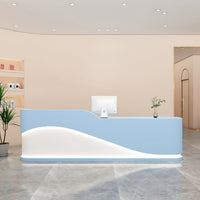
Curved Reception Desk 47-94 in Wide with Keyboard Tray, File Drawers & LED Lighting
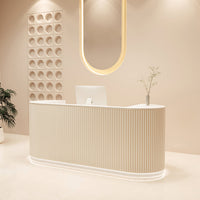
Curved Reception Desk 63-142 in Wide with Keyboard Tray, File Drawers & Fluted Front
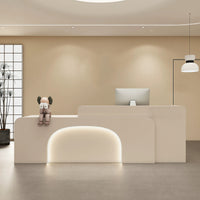
Curved Reception Desk 47-150 in Wide with LED Lighting, Keyboard Tray & File Drawers

Melamine Marble-Look Salon Reception Desk Cashier Counter

Commercial Curved Reception Front Desk Cashier Counter

Curved Reception Desk 39-181 in Wide with Dual-Tone, Lockable & File Drawers for Retail

Salon Reception Desk 71-118 in Wide with Dual-Tone, Keyboard Tray & Lockable for Salon

Dual-Tone L-Shaped Reception Desk with Keyboard Tray

Salon Reception Desk 71-142 in Wide with Dual-Tone & LED Lighting for Salon

Dual-Tone Retail Reception Desk with Reinforced Support Panel

L-Shaped Reception Desk 31-197 in Wide with Dual-Tone, Keyboard Tray & File Drawers

Retail Reception Desk 31-110 in Wide with Dual-Tone, Lockable & Solid Wood for Retail

Curved Reception Desk 31-118 in Wide with Dual-Tone, Keyboard Tray & File Drawers

Content Menu >> Planning and Design >> Design Tools and Software >> Building the Curved Desk >>> Framing the Desk >>> Curving the Top >>> Adding a Finish >> Challenges and Solutions >> Final Assembly and Installation >> Maintenance...
Mar 17, 2025
Content Menu >> Understanding the Importance of Reception Desk Height >> Standard Reception Desk Heights >> Customizing Your Reception Desk >> ADA Compliance and Accessibility >> Functional Features to Consider >> Creating a Welcoming Reception Area...
Mar 17, 2025
Content Menu >> Understanding the Importance of Reception Desk Height ● Standard Reception Desk Heights >> Seated and Standing Desks >> Counter Height Considerations ● Ergonomic Considerations >> Ensuring Comfort and Efficiency >> Customization for Different Users...
Mar 17, 2025