
My office
Your cart (0)
Your cart is ready for a fresh start.
Explore office furniture designed for focused, comfortable work.
Continue shoppingMy office
Explore office furniture designed for focused, comfortable work.
Continue shoppingContent Menu
>> Planning Your Conference Table
>>> Determining the Size
>> Choosing Materials and Style
>>> Wood Conference Tables
>>> Industrial Conference Tables
>> Building Your Conference Table
>>> Step 1: Prepare the Frame
>>> Step 2: Construct the Table Top
>>> Step 3: Assemble the Table
>>> Step 4: Add Finishing Touches
>> Additional Features
>> Conclusion
>> Frequently Asked Questions
>> Citations:
Building a conference table can be a rewarding DIY project that adds a touch of personal style to your office or meeting space. Whether you're aiming for a modern industrial look or a traditional wooden design, the process involves careful planning, precise execution, and attention to detail. In this guide, we'll explore different styles and methods for constructing a conference table that suits your needs.

Before you start building, it's essential to plan your conference table carefully. Consider the size of the room, the number of people you want to seat, and the style you're aiming for. Conference tables come in various shapes and sizes, including rectangular, round, and even custom shapes like racetrack or boat-shaped designs. The size of the table will determine how many people can comfortably sit around it. A general rule of thumb is that a six-foot-long table can seat six people, while a twenty-foot-long table can accommodate twenty people.
To determine the ideal size for your conference table, measure the dimensions of the room and subtract at least three feet from each side to allow for easy movement around the table. Also, consider any other furniture or fixtures in the room that might affect the available space. For example, if you have cabinets or bookshelves, you'll need to factor those into your calculations.
The choice of materials and style will significantly impact the look and functionality of your conference table. Common materials include wood, metal, and glass. Wood offers a traditional and warm feel, while metal can provide a modern industrial look. Glass tops can add a sleek, contemporary touch.
Wooden conference tables are popular for their warmth and versatility. You can use solid wood planks or engineered wood, depending on your budget and desired aesthetic. For a rustic look, consider using reclaimed wood or distressed finishes. For a more modern appearance, opt for smooth, stained wood.
Industrial-style conference tables often feature metal frames and can incorporate materials like concrete or reclaimed wood for the top. This style is perfect for offices with an industrial chic decor. Kee Klamp fittings and pipes are commonly used to create the frame, providing a sturdy and adjustable structure.
Once you've decided on the size and materials, it's time to start building. Here's a general guide to constructing a conference table:
For an industrial-style table, use Kee Klamp fittings and pipes to create the frame. Start by assembling the middle brace and then the leg supports. Attach casters to the legs for mobility. For a wooden table, use 4x4 posts as legs and create a sturdy base.
For a wooden top, glue together planks of wood to achieve the desired width and length. Use a jointer and planer to ensure the wood is smooth and even. For an industrial top, consider using concrete formwork plywood or chudoboard for its durability.
Attach the table top to the frame using appropriate hardware. Ensure the top is securely fastened to prevent it from shifting or sagging.
Apply a finish to protect the wood and enhance its appearance. For metal frames, consider painting or powder coating for durability and style.
Consider adding features that enhance functionality and convenience. These might include built-in charging stations, cable management systems, or modular designs that allow the table to be split into smaller workstations.
Building a conference table is a project that requires patience, creativity, and attention to detail. By choosing the right materials and design, you can create a piece of furniture that not only serves its purpose but also reflects your personal style and enhances your workspace.

1. What is the ideal size for a conference table?
- The ideal size depends on the room dimensions and the number of people you want to seat. Generally, allow at least three feet of space around the table for easy movement.
2. What materials are best for building a conference table?
- Common materials include wood, metal, and glass. The choice depends on the desired style and budget.
3. How do I ensure my conference table is stable?
- Use sturdy materials for the frame and ensure the table top is securely attached. Adding supports under the table top can also help prevent sagging.
4. Can I add electrical outlets to my conference table?
- Yes, you can add built-in charging stations by wiring extension cords or installing outlets directly into the table. This requires careful planning and execution to ensure safety.
5. What style of conference table is most popular?
- Modern and industrial styles are currently popular, offering a sleek and contemporary look. However, traditional wooden tables remain timeless and versatile options.
[1] https://www.instructables.com/HomeMade-Modern-DIY-Conference-Table/
[2] https://www.simplifiedbuilding.com/projects/diy-industrial-conference-table
[3] https://www.lisalaker.com/farmhouse-style/wide-trestle-table
[4] https://lighthousewood.com/blogs/news/the-complete-guide-to-conference-tables
[5] https://www.instructables.com/How-to-Build-a-Conference-Table-Dining-Table-W-Wal/
[6] https://neat.no/resources/choosing-the-right-conference-table-size-for-a-meeting-room/
[7] https://aceofficesystems.com/blogs/news/best-materials-for-a-conference-table
[8] https://madisonliquidators.com/conference-table-dimensions
[9] https://www.youtube.com/watch?v=9gXJ6PFrvmk
[10] https://www.youtube.com/watch?v=jJNYDEFBnWU
[11] https://www.finewoodworking.com/forum/large-conference-table-question
[12] https://www.custom-conference-tables.com/help-guides/planning-a-conference-room/

Modern Executive Desk 25-110 in Wide with Side Storage for Home Office
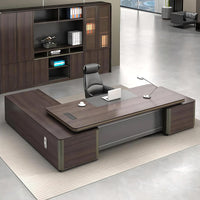
Modern Executive Desk 22-126 in Wide with Curved & Cable Management for Home Office
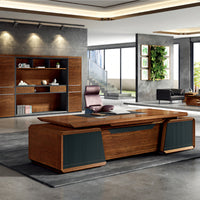
Modern Executive Desk 28-142 in Wide with Walnut for Home Office

Practical L-Shaped Side Storage Executive Desk with Cable Management

Executive Office File Storage Cabinet with Open & Closed Compartments

Solid Wood Oval Conference Table with Cable Management

Content Menu ● The Rise of Large Office Desks in Modern Workspaces >> Adapting to Changing Work Dynamics >> Enhancing Productivity and Organization ● Design Trends in Large Office Desks >> Embracing Flexibility and Adaptability...
Mar 06, 2025
Content Menu >> The Significance of Wood Conference Tables ● Design Trends in Wood Conference Tables >> Sustainability and Eco-Friendliness >> Innovative Materials and Technologies >> Mixed Materials and Minimalist Designs ● Choosing the Right Wood...
Mar 06, 2025
Content Menu >> Introduction to Modular Conference Tables ● Benefits of Modular Conference Tables >> Flexibility and Adaptability >> Cost-Effectiveness >> Ergonomic Design >> Environmental Sustainability ● Designing Modular Conference Tables >> Assessing Space and Size Requirements >> Considering...
Mar 06, 2025