
Select a checkout option below
Your cart is currently empty.
Continue shopping
Content Menu
● Understanding the Importance of Material Choice for Conference Tables
>> Why Material Matters for Conference Tables
● Top Materials for Conference Tables
>> Solid Wood: Classic Elegance and Strength
>>> Advantages of Solid Wood
>>> Design and Maintenance Tips
>> Engineered Wood: Cost-Effective Durability
>>> Benefits of Engineered Wood
>>> Considerations
>> Metal: Modern Industrial Strength
>>> Popular Metal Options
>>> Advantages
>> Glass: Sleek and Sophisticated Appeal
>>> Key Features of Glass Tables
>>> Design Ideas
>> Laminate: Versatile and Practical
>>> Advantages of Laminate
>>> Usage Tips
>> Stone and Composite Materials: Premium Durability
>>> Benefits of Stone and Composites
>>> Drawbacks
● Matching Materials to Conference Room Styles
>> Traditional Conference Rooms
>> Modern and Industrial Spaces
>> Creative and Collaborative Rooms
● Maintenance and Longevity of Conference Table Materials
>> Wood Table Care
>> Metal Table Care
>> Glass Table Care
>> Laminate Table Care
>> Stone Table Care
● Innovative Materials and Trends in Conference Tables
>> Sustainable Materials
>> Smart Conference Tables
● How to Choose the Best Material for Your Needs
● Frequently Asked Questions (FAQ)
>> 1. What is the most durable material for conference tables?
>> 2. Are glass conference tables practical for daily use?
>> 3. How do laminate conference tables compare to wood?
>> 4. Can stone tables be customized?
>> 5. What materials are best for eco-friendly conference tables?
Conference tables are a vital centerpiece in any professional meeting space, combining functionality with aesthetics. Choosing the right materials for these tables ensures they not only withstand daily use but also make a strong impression. This article explores the best materials for durable and stylish conference tables, highlighting their advantages, design considerations, and maintenance tips to help you select the ideal option for your needs.

Selecting the right material for a conference table impacts durability, appearance, comfort, and overall usability. Conference rooms experience varied usage—from formal board meetings to casual team collaborations—requiring tables that adapt well over time.
- Durability: Conference tables should resist scratches, stains, and everyday wear.
- Style: The table material sets the tone of the meeting space and reflects the organization's brand.
- Ease of Maintenance: Materials that are easy to clean and maintain reduce long-term costs.
- Ergonomics: Some surfaces are better suited for writing, typing, or holding devices.
Knowing these factors helps guide the choice of materials that meet both practical and aesthetic criteria.
Solid wood is a timeless choice for conference tables, offering warmth, richness, and natural beauty. Common types include oak, walnut, cherry, and maple.
- Durability: Hardwoods are resilient, often lasting decades with proper care.
- Unique Appearance: Each piece features natural grain patterns and color variations.
- Refinishing Options: Scratches and dents can be sanded and refinished.
- Eco-Friendly Choices: Sustainably harvested wood is renewable.
- Opt for thicker slabs for enhanced stability.
- Use wood finishes resistant to water and heat.
- Regularly clean with soft cloths and apply polish to maintain luster.
Engineered wood products like plywood and MDF (medium-density fiberboard) offer affordable alternatives to solid wood while maintaining strength.
- Stability: Resists warping better than solid wood.
- Uniform Surface: Ideal for veneers and laminates.
- Customizable Finish: Can mimic expensive wood grains.
- Engineered wood is less repairable than solid wood.
- Choose high-quality veneers to avoid peeling or chipping.
Metal conference tables bring an industrial, contemporary vibe while providing unmatched durability.
- Steel: Strong and long-lasting, often powder-coated for protection.
- Aluminum: Lightweight and resistant to corrosion.
- Stainless Steel: Popular for sleek designs and hygienic surfaces.
- Resistant to dents, scratches, and stains.
- Minimal upkeep; easy cleaning with mild detergents.
- Adjustable legs and frames improve ergonomic options.
Glass tabletops convey professionalism and modernity, often paired with metal or wood bases.
- Tempered Glass: Strong, shatter-resistant, and safe.
- Maintenance: Requires frequent cleaning to remove fingerprints.
- Visual Space: Creates a feeling of openness and lightness.
- Frosted or tinted glass for privacy.
- Incorporate LED lighting underneath for effect.
- Combine with wooden bases for warmth.
Laminate surfaces are made by fusing multiple layers with resin, offering a wide range of styles and finishes.
- Highly resistant to scratches, stains, heat, and moisture.
- Available in countless colors and wood-look patterns.
- Extremely budget-friendly.
- Ideal for busy offices due to easy maintenance.
- Avoid harsh chemicals for cleaning to extend lifespan.
- Choose high-pressure laminates for extra durability.
Natural stone like granite or marble, as well as engineered composite stones, bring luxury and permanence to conference tables.
- Elegant, high-end appearance.
- Heat and scratch resistant.
- Low maintenance and easy to clean.
- Heavy weight requires strong support.
- Typically more expensive.
- Susceptible to chipping if not handled carefully.
Choosing the right conference table material depends on the room's design theme and the company's culture.
- Solid wood tables complement classic décor and formal environments.
- Warm tones and intricate wood grains add sophistication.
- Metal and glass materials evoke minimalism and efficiency.
- Clean lines and reflective surfaces emphasize openness.
- Laminate and engineered wood provide practical surfaces with playful color options.
- Mixed materials enhance a dynamic atmosphere.
Proper maintenance ensures your conference table remains durable and stylish over years of use.
- Dust regularly using microfiber cloths.
- Avoid excessive moisture; use coasters for drinks.
- Polish periodically with wood conditioners.
- Wipe clean with mild soap and water.
- Use anti-corrosion treatments in humid environments.
- Avoid abrasive cleaners that damage surface coatings.
- Clean fingerprints with glass cleaners or vinegar solutions.
- Avoid placing heavy items directly on glass edges.
- Use protective pads under objects to prevent scratches.
- Wipe spills immediately to prevent staining.
- Use gentle cleaning agents to preserve finish.
- Avoid cutting or placing hot items directly on the surface.
- Seal stone tops annually to prevent staining.
- Clean spills promptly with stone-safe cleaners.
- Protect from heavy impact to avoid chips.
The demand for sustainability and technology integration is pushing innovation in conference table materials.
- Bamboo—a rapidly renewable resource—is being used for eco-friendly tables.
- Recycled metals and reclaimed wood reduce environmental impact.
- Integrated wireless charging pads.
- Built-in power outlets and cable management.
- Touchscreen controls and connectivity hubs.
Consider the following factors to select the best conference table material:
- Budget: Determine your price range and explore material options within it.
- Usage Frequency: More durable materials suit high-traffic spaces.
- Aesthetic Preference: Match materials with room design and brand personality.
- Maintenance Capacity: Choose materials you can easily care for.

Solid hardwood and metal are among the most durable due to their strength and resistance to wear.
Yes, but they require frequent cleaning and gentle care to avoid scratches and fingerprints.
Laminate is more affordable and easier to maintain but lacks the natural beauty and repairability of wood.
Yes, stone and composite tables can be cut and finished in various shapes, but they are heavier and cost more.
Bamboo, reclaimed wood, and recycled metal options are excellent sustainable choices.
Hot Tags: China, Global, OEM, private label, manufacturers, factory, suppliers, manufacturing company

Leather Executive Office Chair with Genuine Leather, Solid Wood & Lumbar Support

Mesh Ergonomic Office Chair with Breathable Mesh & Lumbar Support for Executive Office
Bookcase Storage Cabinet 71 in Tall for Home Office
Curved Reception Desk 47-94 in Wide with Keyboard Tray, File Drawers & LED Lighting
Curved Reception Desk 63-142 in Wide with Keyboard Tray, File Drawers & Fluted Front
Curved Reception Desk 47-150 in Wide with LED Lighting, Keyboard Tray & File Drawers

Ergonomic Office Chair with Swivel, Curved & Dual-Tone for Home Office

Modern Executive Desk 25-110 in Wide with Side Storage for Home Office

Executive Office Desk with Built-In Power and Storage
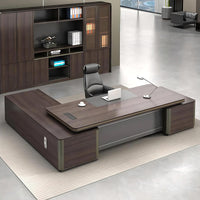
Modern Executive Desk 22-126 in Wide with Curved & Cable Management for Home Office
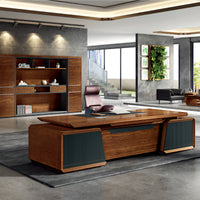
Modern Executive Desk 28-142 in Wide with Walnut for Home Office

Content Menu ● Understanding Your Meeting Needs >> Assessing the Number of Participants >> Frequency and Meeting Type ● Calculating the Ideal Table Dimensions >> Basic Space Requirements per Person >> Formula for Table Length and...
Sep 15, 2025
Content Menu ● Importance of Choosing the Right Conference Table ● Top Conference Table Styles >> 1. Classic Wood Conference Tables >>> Benefits of Classic Wood Tables >> 2. Modern Glass Conference Tables >>> Suitable Environments...
Sep 14, 2025
Content Menu ● Understanding Conference Tables: An Overview >> What Defines a Luxury Conference Table? >> What Makes an Affordable Conference Table? ● Key Factors to Consider When Choosing a Conference Table >> Budget Constraints...
Sep 14, 2025