
Select a checkout option below
Your cart is currently empty.
Continue shopping
Content Menu
● Modern Conference Table Trends in 2025
>> Emphasis on Multi-Functionality
>> Sustainable Materials and Eco-Friendly Designs
>> Sleek and Minimalist Aesthetics
● Top Materials Used in Conference Tables
>> Solid Wood and Veneer
>> Glass
>> Metal and Composite Materials
● Integrating Technology into Conference Tables
>> Built-in Power Modules
>> Video Conferencing Enhancements
>> Smart Tables with IoT Features
● Ergonomics and Comfort in Conference Table Design
>> Optimal Table Height and Dimensions
>> Seating and Table Shape Coordination
>> Acoustics and Noise Reduction
● Popular Conference Table Styles in 2025
>> Industrial Chic
>> Scandinavian Minimalism
>> Contemporary Glass and Metal
>> Hybrid Modular Systems
● How to Choose the Best Conference Table for Your Workspace
>> Assessing Space and Layout
>> Defining Your Meeting Needs
>> Prioritizing Technology Integration
>> Budget and Sustainability
● Maintenance and Longevity Tips
● FAQ About Conference Tables for Modern Workspaces in 2025
In 2025, the design and functionality of conference tables play a crucial role in shaping productive, collaborative, and aesthetically pleasing modern workspaces. As businesses evolve to embrace hybrid work models and emphasize team collaboration, selecting the right conference table is more important than ever. This article explores the best conference tables available in 2025, focusing on design trends, materials, technological integration, ergonomic considerations, and sustainable options. Whether you are outfitting a small meeting room or a large boardroom, understanding the key features and innovations in modern conference tables will help you make informed purchasing decisions.

Conference tables in 2025 are designed to support multiple functions beyond traditional meetings. With hybrid work models becoming the norm, these tables need to accommodate video conferencing, brainstorming sessions, presentations, and casual discussions. Multi-functionality has led to innovative designs where tables feature adjustable heights, modular components, and integrated technology hubs.
- Adjustable height desks allow users to switch between sitting and standing positions during meetings, promoting health and focus.
- Modular tables can be rearranged easily to fit different room sizes or meeting formats.
- Built-in power sources and USB hubs ensure participants can stay connected without cable clutter.
Sustainability has become a key priority for companies aiming to reduce their environmental impact. In 2025, conference table manufacturers incorporate eco-friendly materials such as reclaimed wood, bamboo, recycled metals, and low-VOC (volatile organic compounds) finishes.
- Reclaimed wood provides unique aesthetics and supports sustainability efforts by repurposing existing materials.
- Bamboo is a renewable resource valued for its strength and fast growth cycle.
- Recycled metals contribute to durability while minimizing new resource extraction.
- Non-toxic, low-VOC finishes improve indoor air quality, important for employee health.
Modern workspaces increasingly favor clean, minimalist designs that foster clarity and reduce distractions in meetings. Conference tables with simple lines, thin profiles, and understated color palettes are dominant. White, gray, black, and natural wood tones reign supreme, with brushed metal or matte textures complementing these colors.
- Minimalist designs enable integration with various office styles and décor.
- Thin, streamlined table tops save space and encourage a clutter-free environment.
- Integrated technology units hide cables and devices, maintaining the table's sleek look.
Solid wood remains a classic choice for conference tables, prized for its warmth and longevity. In 2025, high-quality veneers with natural wood grain patterns are increasingly common, offering a more affordable yet luxurious alternative to solid wood.
- Hardwoods like walnut, oak, maple, and cherry dominate the premium segment.
- Engineered wood with natural veneers reduces costs and environmental impact.
- Both materials can be combined with metals or glass to enhance design appeal.
Glass conference tables lend an open, airy feel to modern spaces. Popular designs include tempered glass tops with metal or wood bases.
- Clear or frosted glass surfaces allow light to flow freely, making rooms feel larger.
- Glass tops are easy to clean and resist staining but require careful handling to avoid scratches.
- Pairing glass with contemporary steel or aluminum legs creates a sophisticated look.
Metal conference tables are synonymous with durability and industrial style.
- Steel, aluminum, and powder-coated metals provide strong support and a modern aesthetic.
- Composite materials like laminate or solid surface tops combined with metal bases offer versatility and resistance to wear.
The proliferation of electronic devices in meetings requires conference tables that can power laptops, tablets, and phones seamlessly.
- Power modules with outlets, USB-C, and USB-A ports are embedded into the tabletops.
- Pop-up or retractable panels allow cables to be hidden when not in use.
- Tables may include wireless charging pads integrated into the surface.
Video meetings have become ubiquitous, so advanced tables incorporate features that facilitate virtual collaboration.
- Integrated microphones and speaker systems are embedded within the table structure.
- Cable management solutions enable easy connection to screens and cameras.
- Some tables connect wirelessly to conferencing devices for quick setup.
Emerging smart tables use Internet of Things (IoT) technology to enhance meeting experiences.
- Sensors detect occupancy and adjust lighting or temperature accordingly.
- Touchscreen controls at the table enable easy scheduling and media sharing.
- Voice assistant integration can manage meeting logistics or room bookings.
Conference tables in 2025 focus on ergonomics to improve comfort during longer sessions.
- Standard table height for sitting meetings is around 28 to 30 inches, with adjustable options available for standing use.
- Table widths and lengths vary to accommodate group size while ensuring personal space.
- Rounded corners and chamfered edges reduce injury risk and improve comfort.
The shape of the table impacts collaboration dynamics and room utilization.
- Rectangular tables are classic for formal meetings but can limit interaction.
- Oval and boat-shaped tables encourage eye contact and inclusiveness.
- Modular tables allow flexible seating arrangements and are suited for creative workspaces.
High-performance conference tables can incorporate materials that dampen noise, improving speech clarity.
- Fabric or acoustic panel inlays underneath tables help absorb sound.
- Table surfaces with matte finishes reduce distracting light reflections.
Industrial style combines raw materials like exposed metal frames and reclaimed wood tabletops.
- These tables work well in loft-style offices or tech startups.
- Heavy-duty construction ensures durability.
Scandinavian design emphasizes light woods, simple shapes, and functional comfort.
- Tables often feature natural oak tops and white or pastel bases.
- The style fits well within bright, open-plan offices.
Sleek glass surfaces supported by metal frames create a professional, futuristic vibe.
- Perfect for corporate offices seeking a polished look.
- Often paired with ergonomic seating for added comfort.
Modular conference tables can be reconfigured to meet evolving workspace needs.
- Allow quick transformation from small group meetings to larger gatherings.
- Encourage agile working styles and multipurpose use.
Start by measuring the available space and considering the shape of the room.
- Ensure enough room for chairs and circulation around the table.
- Consider natural light sources and power outlet locations.
Identify how your team uses the conference room.
- Do you need space for video conferencing equipment?
- Are standing meetings or brainstorming sessions frequent?
If frequent virtual meetings occur, tables with integrated tech features are essential.
- Look for tables with built-in power and data ports.
- Consider smart table options for long-term investment.
Balance cost considerations with sustainability goals.
- Eco-friendly tables may have higher upfront costs but lower environmental impact.
- Assess warranty and durability to ensure value.
- Regularly clean table surfaces with appropriate cleaners based on material type.
- Inspect and tighten hardware annually to maintain stability.
- Use protective pads or mats to prevent scratches and heat damage.

Q1: What is the most popular material for conference tables in 2025?
A1: Wood veneers combined with metal bases are highly popular due to their balance of luxury, affordability, and sustainability.
Q2: Are adjustable-height conference tables worth the investment?
A2: Yes, they promote comfort and health by allowing users to switch between sitting and standing during meetings.
Q3: Can conference tables integrate with smart office systems?
A3: Many modern tables include IoT features like occupancy sensors and touchscreen controls to enhance meeting productivity.
Q4: How important is cable management in conference tables?
A4: Extremely important, as it helps maintain a neat workspace and prevents tripping hazards during meetings.
Q5: What should be considered for acoustic quality in conference rooms?
A5: Choose tables with noise-dampening materials and pair them with acoustic panels or carpeting to reduce echo and improve speech clarity.
Hot Tags: China, Global, OEM, private label, manufacturers, factory, suppliers, manufacturing company

Leather Executive Office Chair with Genuine Leather, Solid Wood & Lumbar Support

Mesh Ergonomic Office Chair with Breathable Mesh & Lumbar Support for Executive Office
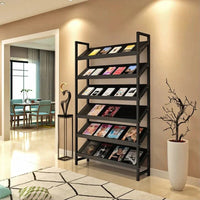
Bookcase Storage Cabinet 71 in Tall for Home Office
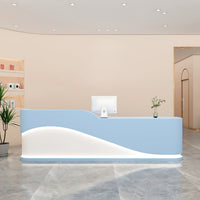
Curved Reception Desk 47-94 in Wide with Keyboard Tray, File Drawers & LED Lighting
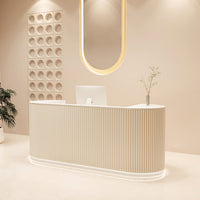
Curved Reception Desk 63-142 in Wide with Keyboard Tray, File Drawers & Fluted Front
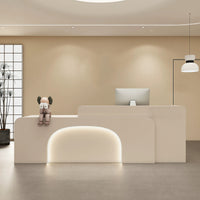
Curved Reception Desk 47-150 in Wide with LED Lighting, Keyboard Tray & File Drawers

Ergonomic Office Chair with Swivel, Curved & Dual-Tone for Home Office

Modern Executive Desk 25-110 in Wide with Side Storage for Home Office

Executive Office Desk with Built-In Power and Storage
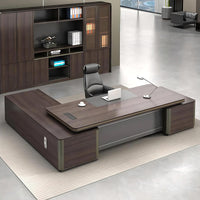
Modern Executive Desk 22-126 in Wide with Curved & Cable Management for Home Office
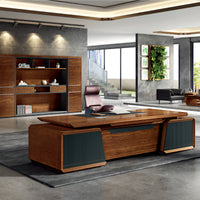
Modern Executive Desk 28-142 in Wide with Walnut for Home Office

Content Menu ● Table of Contents ● Why Choosing the Right Conference Table Matters ● How to Choose a Conference Table: Key Considerations >> Room Size and Table Dimensions >> Table Shape and Seating Dynamics...
Jun 25, 2025
Content Menu ● Table of Contents ● Introduction: Why Build a Conference Table? ● Materials and Tools Needed to Build Conference Table >> Materials >> Tools ● Step-by-Step Guide on How to Build Conference Table >> Preparing...
Jun 25, 2025
Content Menu ● Planning Your 8-Round Conference Table >> Understanding the Design and Dimensions >> Materials and Tools Needed ● Step-by-Step Construction Process >> 1. Create or Obtain the Round Tabletop >> 2. Preparing the Table...
Jun 24, 2025